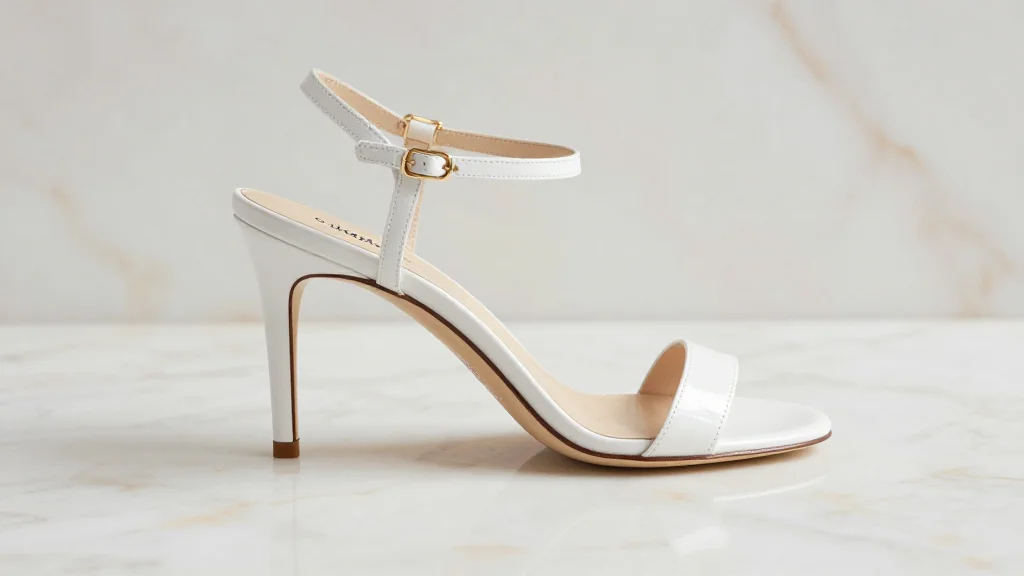
Chanel’s Barefoot Sandals From Cruise 2027 Ignite Viral Debate

Companies Mentioned
Why It Matters
The Chanel sandal controversy highlights a broader shift in luxury fashion: the line between runway art and consumer product is blurring, with social media acting as an instant barometer of public sentiment. Brands that can generate viral moments may secure heightened visibility, but they also risk eroding trust if the designs are perceived as gimmicks rather than genuine innovation. This tension will shape how luxury houses balance creative risk with the expectations of a clientele that still values craftsmanship and functionality. Moreover, the episode underscores the growing power of digital communities to influence brand narratives. As memes and user‑generated content amplify reactions, designers must anticipate not only critical acclaim but also the potential for backlash. The outcome could dictate future investment in experimental pieces, influencing everything from design budgets to marketing strategies across the high‑end fashion sector.
Key Takeaways
- •Chanel unveiled a heel‑only sandal at its Cruise 2027 show in Biarritz.
- •The design left most of the foot exposed, prompting viral memes and debate.
- •Supporters praise the piece as avant‑garde; critics call it impractical.
- •The controversy illustrates luxury brands’ reliance on social‑media buzz.
- •Future collections may reflect a balance between artistic risk and wearability.
Pulse Analysis
Chanel’s barefoot sandal is a textbook case of luxury fashion leveraging shock value to dominate the digital conversation. Historically, runway moments that sparked controversy—think Alexander McQueen’s ‘bumster’ trousers or Balenciaga’s oversized sneakers—have translated into long‑term brand relevance, even if the pieces never reached shelves. Chanel appears to be replicating that formula, using the runway as a laboratory for ideas that can be amplified online. The immediate payoff is clear: millions of impressions, a flood of user‑generated content, and renewed media coverage that extends far beyond the traditional fashion calendar.
However, the risk lies in brand dilution. Chanel’s core identity rests on timeless elegance and meticulous craftsmanship. By foregrounding a design that many deem non‑functional, the house risks alienating a segment of its affluent clientele who expect both aesthetic and practical value from a $10,000‑plus purchase. If the backlash grows, it could pressure the brand to recalibrate its creative direction, perhaps integrating more wearable elements into future avant‑garde pieces. Competitors will watch closely; a successful conversion of controversy into sales could inspire a wave of experimental footwear, while a misstep could serve as a cautionary tale.
Looking ahead, the key metric will be whether the viral moment translates into measurable commercial impact—be it through increased foot traffic to boutiques, higher engagement on Chanel’s digital platforms, or a spike in sales of related accessories. If the brand can convert the buzz into sustained interest, it will reaffirm the strategic value of provocative design in the age of instant online reaction. Conversely, if the conversation fades without tangible upside, Chanel may need to reassess how far it pushes the envelope without compromising its heritage.
Chanel’s Barefoot Sandals from Cruise 2027 Ignite Viral Debate
Comments
Want to join the conversation?
Loading comments...