Coach Teams with Brain Dead for a $0.5 Billion‑Style Capsule Launch on May 30

Why It Matters
The Coach | Brain Dead capsule illustrates how heritage luxury brands are increasingly leveraging street‑wear collaborations to stay relevant with Gen Z and millennial shoppers who prioritize authenticity, customization and cultural relevance. By embedding collectible elements, Coach taps into the growing “drop” economy, where scarcity and community‑driven hype drive demand. If successful, the partnership could accelerate a broader industry shift toward hybrid products that blend craftsmanship with street culture, prompting competitors to explore similar alliances. Moreover, the collection’s emphasis on individuality challenges the traditional luxury narrative of uniform elegance, signaling a possible redefinition of what luxury means in the digital age. As consumers seek items that tell personal stories, brands that embed narrative and customization may capture higher loyalty and premium pricing, reshaping product development cycles across the sector.
Key Takeaways
- •Coach | Brain Dead capsule launches globally on May 30 after a New York immersive event.
- •Creative duo Stuart Vevers (Coach) and Kyle Ng (Brain Dead) reimagined 1970s silhouettes through a 1990s lens.
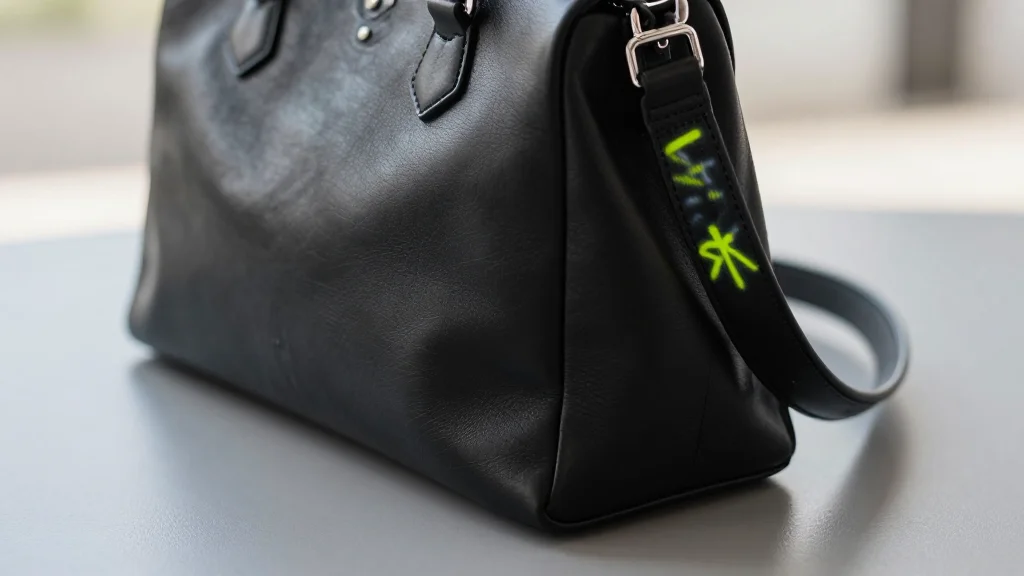
- •Collection includes ready‑to‑wear, reworked Tabby bags, jacquard bags in pink/purple/bright green, and a suite of collectibles.
- •Quote: “What makes this collection special is that it celebrates individuality,” said Stuart Vevers, Coach Creative Director.
- •Collaboration reflects a broader luxury trend of partnering with street‑wear collectives to attract younger, culture‑focused consumers.
Pulse Analysis
Coach’s decision to partner with Brain Dead is more than a stylistic experiment; it’s a strategic maneuver to capture the cultural capital that street‑wear collectives command. Historically, luxury houses have relied on heritage and exclusivity, but the rise of social media and the “drop” culture has re‑wired consumer expectations toward immediacy, narrative, and community participation. By embedding a fictional theme‑park universe and offering modular accessories, Coach creates a micro‑ecosystem that encourages repeat engagement—customers are likely to return for new charms, stickers or limited‑edition bags, extending the product lifecycle beyond a single season.
From a competitive standpoint, the move puts Coach in direct conversation with peers like Louis Vuitton’s Supreme partnership and Balenciaga’s collaborations with gaming brands. However, Coach differentiates itself by foregrounding customization rather than pure logo‑centric hype. If the capsule drives measurable uplift in foot traffic and online conversion, it could validate a hybrid model where heritage craftsmanship is married to street‑wear’s fluid aesthetic, prompting other legacy brands to adopt similar co‑design frameworks. The risk lies in alienating core luxury shoppers who may view the playful graphics as diluting brand equity, a tension that will become evident in post‑launch sentiment analysis.
Looking ahead, the success of the Coach | Brain Dead line could catalyze a new wave of limited‑edition, narrative‑driven releases across the industry, with brands leveraging collectible accessories to deepen emotional attachment. As the luxury market continues to fragment, the ability to oscillate between timeless elegance and contemporary cultural relevance may become the defining competitive advantage.
Coach Teams with Brain Dead for a $0.5 Billion‑Style Capsule Launch on May 30
Comments
Want to join the conversation?
Loading comments...