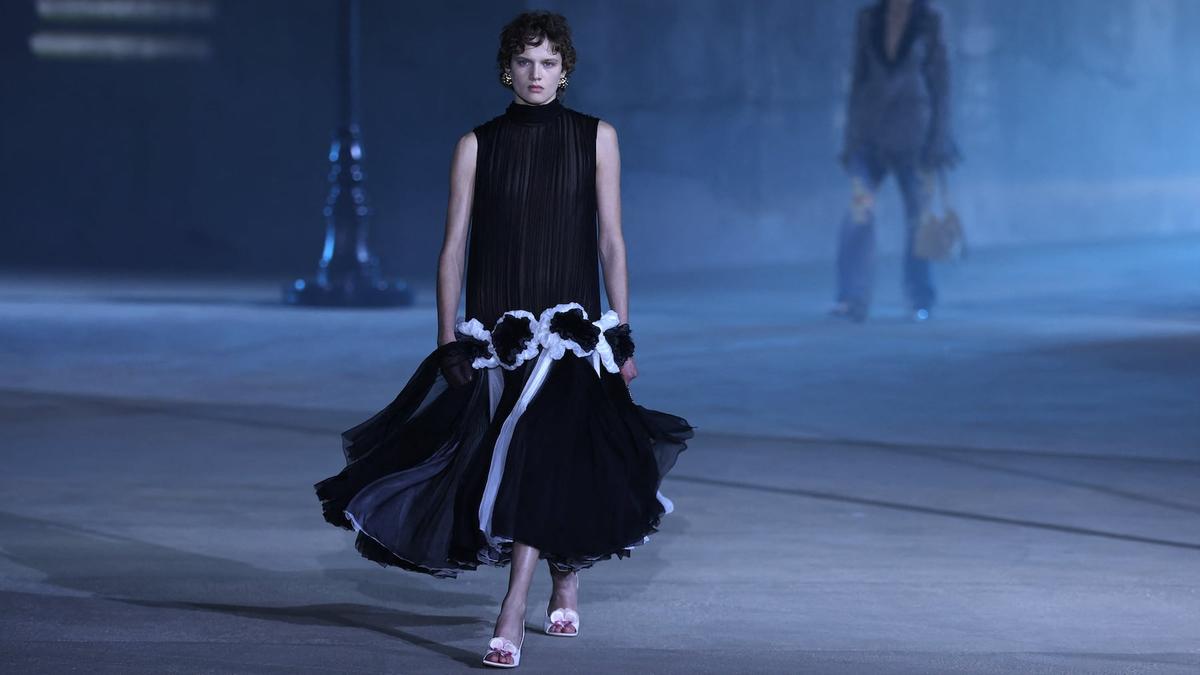
Dior Goes to Hollywood a Year Into Anderson’s Revamp
Companies Mentioned
Why It Matters
Dior’s Hollywood debut signals a strategic pivot to experiential retail, while leadership and ownership changes across luxury firms highlight an industry grappling with shifting consumer habits and growth uncertainty.
Key Takeaways
- •Dior staged its cruise collection in Los Angeles, signaling Hollywood focus
- •LVMH sold Marc Jacobs to WHP Global; Jacobs stays creative director
- •Gap appointed Lourdes Arocho to lead licensing amid “fashiontainment” push
- •Berenberg warns luxury sector stagnation; Barclays forecasts long‑term slowdown
- •Ferragamo’s quarterly sales dip slightly, but own‑store revenue rose
Pulse Analysis
Dior’s decision to host its cruise show in Los Angeles reflects a broader trend of luxury houses courting the entertainment capital to deepen cultural relevance. By aligning the collection with Hollywood’s glitz, Anderson’s creative overhaul aims to attract younger, media‑savvy shoppers who value immersive experiences as much as the garments themselves. The move also positions Dior closer to a key U.S. market, potentially boosting direct‑to‑consumer sales and reinforcing its status as a lifestyle brand rather than a purely runway‑driven house.
The luxury sector is simultaneously navigating structural shifts. LVMH’s divestiture of Marc Jacobs to WHP Global signals a willingness to streamline portfolios while preserving creative continuity, a pattern echoed by Gap’s appointment of Lourdes Arocho to spearhead licensing amid its "fashiontainment" push. Analysts at Berenberg and Barclays caution that despite occasional rallies, the broader market may face prolonged stagnation, driven by cautious consumer spending and macro‑economic headwinds. These dynamics compel brands to diversify revenue streams, lean on licensing, and explore experiential retail to sustain growth.
Legacy players like Ferragamo illustrate the nuanced performance landscape. While its quarterly sales slipped marginally, the brand reported stronger sales in company‑owned stores, suggesting that tighter control over distribution can offset broader market softness. This underscores a strategic pivot toward optimizing the direct‑to‑consumer channel, a move many heritage houses are accelerating. As luxury firms balance creative reinvention with operational efficiency, the next few quarters will reveal whether these adaptations can revive momentum in a market increasingly defined by experience over exclusivity.
Dior Goes to Hollywood a Year Into Anderson’s Revamp
Comments
Want to join the conversation?
Loading comments...