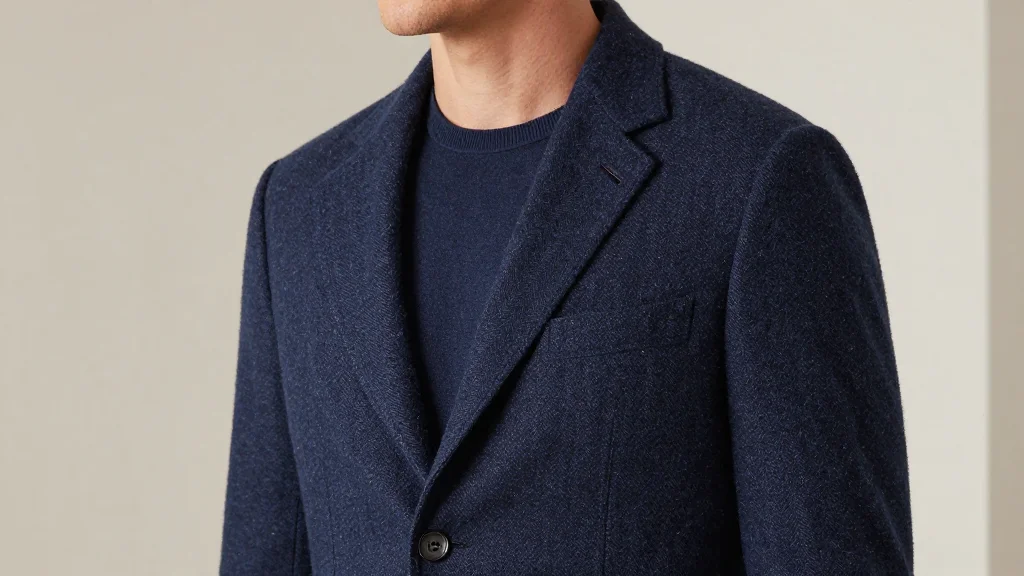
Dior's £5,200 Donegal Tweed Bar Jacket Sparks Luxury Tweed Revival

Companies Mentioned
Why It Matters
The renewed focus on tweed signals a shift toward heritage fabrics that combine craftsmanship with modern design, offering luxury brands a way to differentiate in a crowded market. By leveraging the story of Donegal wool and its Irish roots, houses like Dior and Chanel can appeal to consumers seeking authenticity and sustainability, reinforcing brand narratives that go beyond mere aesthetics. For the broader fashion ecosystem, the tweed revival could revitalize regional textile economies, encouraging investment in traditional mills and prompting other heritage materials—such as Harris tweed, cashmere, and linen—to experience similar comebacks. This trend may also influence pricing structures, as premium natural fabrics command higher margins compared with synthetic alternatives.
Key Takeaways
- •Dior's new Donegal tweed bar jacket retails for £5,200 ($6,600).
- •Harry Styles wore the jacket at the February 2026 Grammys, boosting visibility.
- •Kieran Molloy of Molloy & Sons identified the piece instantly as Donegal tweed.
- •Jonathan Anderson called Donegal tweed "one of my most beloved materials."
- •Irish mills report a 30% increase in tweed orders since Dior's debut.
Pulse Analysis
Dior’s strategic use of Donegal tweed taps into a growing consumer appetite for narrative‑driven luxury. By marrying a storied fabric with contemporary detailing—sequins, slimmer cuts, and high‑visibility celebrity endorsement—the house creates a product that feels both timeless and fresh. This duality is crucial in a market where heritage can be a differentiator but must be refreshed to stay relevant.
Historically, tweed cycles have risen and fallen with broader cultural moods. The early 2000s saw a brief revival tied to British heritage branding, while the 2010s favored technical fabrics. The 2026 resurgence aligns with a post‑pandemic emphasis on durability, sustainability, and local sourcing. As luxury consumers become more discerning about provenance, the story of Irish wool—its geography, the mill’s craftsmanship, and the designer’s personal connection—adds tangible value that synthetic alternatives cannot match.
Looking forward, the tweed wave could catalyze a broader re‑evaluation of other heritage textiles. Brands that can authentically integrate these materials into modern silhouettes will likely capture higher margins and stronger brand loyalty. However, the surge also poses risks: supply constraints could drive up costs, and over‑commercialisation may dilute the exclusivity that originally made tweed desirable. Luxury houses will need to balance accessibility with scarcity, perhaps by limiting runs or collaborating with select mills, to sustain the fabric’s premium cachet throughout the year.
Dior's £5,200 Donegal Tweed Bar Jacket Sparks Luxury Tweed Revival
Comments
Want to join the conversation?
Loading comments...