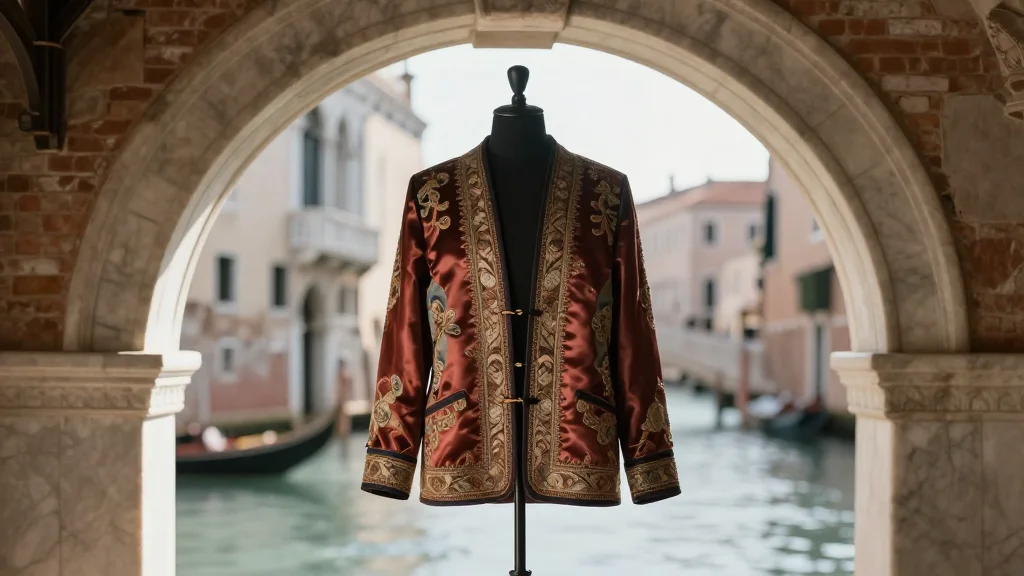
Dries Van Noten Launches Permanent Venice Arts Foundation in 15th‑Century Palazzo

Why It Matters
Van Noten’s entry into Venice’s burgeoning private‑foundation ecosystem marks a pivotal moment for the fashion industry’s relationship with high culture. By anchoring a brand legacy in a historic palazzo, the designer elevates craftsmanship from a design principle to a public cultural narrative, reinforcing the sector’s shift toward sustainability and heritage preservation. The move also amplifies Venice’s transformation from a biennial‑centric art city to a year‑round hub, attracting tourism, investment and creative talent beyond the traditional seasonal peaks. For fashion houses, the model offers a blueprint for diversifying brand influence: foundations can serve as platforms for storytelling, talent incubation and community engagement, while also providing tax and legacy benefits. As more designers explore similar ventures, the competitive landscape may evolve, with cultural patronage becoming a differentiator in luxury branding.
Key Takeaways
- •Dries Van Noten and partner Patrick Vangheluwe opened Fondazione Dries Van Noten in Palazzo Pisani Moretta today
- •Inaugural exhibition “The Only True Protest Is Beauty” features over 200 objects across fashion, art and design
- •Restoration led by architect Alberto Torsello will begin in October to preserve the 15th‑century structure
- •Foundation joins a growing cluster of private arts institutions reshaping Venice into a year‑round cultural hub
- •Van Noten emphasizes “craftsmanship as a vital language of cultural identity,” signaling a shift toward heritage‑focused branding
Pulse Analysis
Van Noten’s decision to embed his foundation within a centuries‑old Venetian palace reflects a strategic pivot in luxury branding: moving from seasonal runway spectacles to enduring cultural institutions. Historically, fashion houses have relied on flagship stores and pop‑up exhibitions to convey brand ethos. By establishing a permanent, architecturally significant venue, Van Noten not only safeguards his legacy but also taps into the prestige associated with Venice’s art heritage. This approach mirrors the Prada Foundation’s early‑2010s success, which leveraged the Fondazione Prada space to position the brand as a patron of contemporary art, thereby attracting a more affluent, culturally engaged clientele.
The timing is also noteworthy. With the 61st Biennale Arte opening on May 9, the foundation’s launch dovetails with heightened global attention on Venice, ensuring immediate visibility. Moreover, the wave of private foundations—Berggruen, Kapoor, Sandretto Re Rebaudengo—creates a network effect, where each new entrant benefits from shared infrastructure, tourism influx, and a collective narrative that positions Venice as a permanent art capital. For the fashion sector, this signals an emerging competitive arena: designers who can secure historic venues and curate compelling interdisciplinary programs may command greater cultural capital than those who remain confined to traditional retail spaces.
Looking ahead, the success of Van Noten’s foundation will hinge on its ability to balance preservation constraints with innovative programming. The planned Studio San Polo, dedicated to experimental work, suggests a dual strategy: a public-facing, heritage‑rich flagship complemented by a flexible, avant‑garde lab. If executed well, this model could become a template for other luxury brands seeking to deepen their cultural relevance while navigating the sustainability expectations of a new generation of consumers.
Dries Van Noten Launches Permanent Venice Arts Foundation in 15th‑Century Palazzo
Comments
Want to join the conversation?
Loading comments...