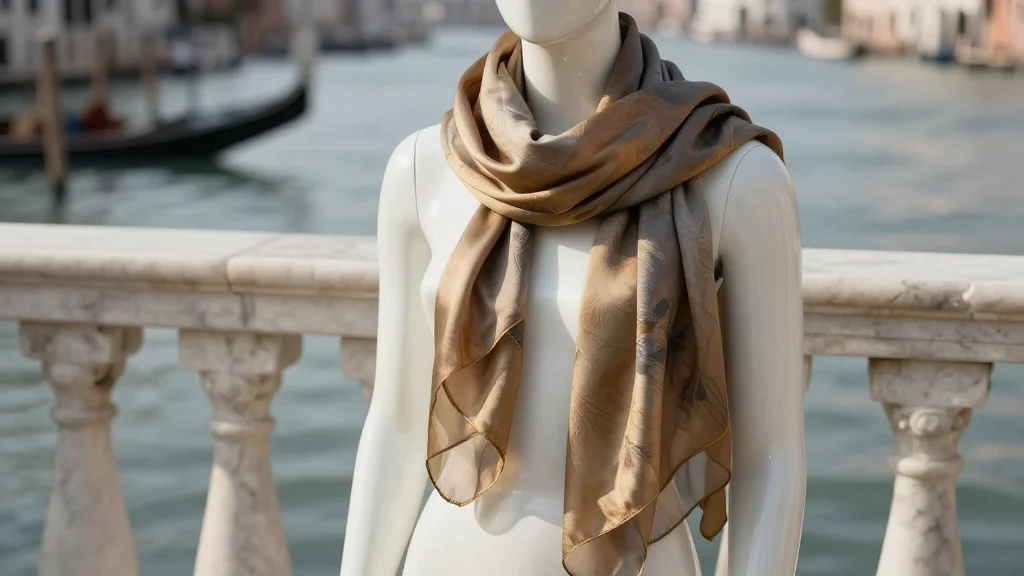
Dries Van Noten Launches Venice Art Foundation, Signals New Creative Era

Why It Matters
The establishment of Dries Van Noten’s Venice foundation underscores a shift in luxury fashion from pure commercialism toward cultural stewardship. By situating his creative vision within a historic palazzo, Van Noten blurs the line between fashion house and museum, offering a model for how designers can leverage heritage and craftsmanship to deepen brand relevance. This move also amplifies the conversation around sustainability and authenticity, as the foundation’s focus on handmade objects aligns with consumer demand for transparent, ethically produced luxury. Furthermore, the initiative may catalyze a broader industry trend where veteran designers create institutional platforms to preserve and promote artisanal skills. Such foundations can serve as incubators for emerging talent, diversify revenue streams, and reinforce a brand’s narrative beyond seasonal collections. In an era where experiential luxury is increasingly prized, Van Noten’s Venice project could become a benchmark for integrating cultural capital into brand strategy.
Key Takeaways
- •Dries Van Noten opens an art foundation in a 15th‑century Venetian palazzo on the Grand Canal.
- •The foundation focuses on craft, beauty, and handmade objects, reflecting Van Noten’s long‑standing aesthetic.
- •After four decades leading his label, Van Noten shifts toward cultural patronage and institutional presence.
- •The initiative aligns with luxury industry trends toward sustainability, authenticity, and experiential spaces.
- •Public opening planned for later 2026, with inaugural exhibitions and artisan collaborations.
Pulse Analysis
Van Noten’s decision to anchor his next act in Venice is both symbolic and strategic. Historically, Venice has been a crucible for artistic innovation, and by situating his foundation there, the designer taps into a lineage that elevates his brand narrative from fashion to cultural heritage. This move mirrors the trajectory of other legacy houses—such as Dior’s Institut and Chanel’s private museum—that have used cultural institutions to reinforce brand mythology while diversifying engagement channels.
From a market perspective, the foundation could serve as a hedge against the volatility of seasonal sales. By curating exhibitions and residencies, Van Noten can generate alternative revenue streams, attract sponsorships, and deepen relationships with high‑net‑worth patrons who value exclusivity and cultural cachet. Moreover, the emphasis on handcrafted production dovetails with the luxury sector’s pivot toward sustainability, offering a tangible proof point that the brand is committed to ethical practices.
Looking forward, the success of the Venice foundation will likely influence how other designers conceive post‑brand legacies. If Van Noten can translate his artistic vision into a thriving cultural hub, it may inspire a wave of similar ventures, reshaping the luxury ecosystem to include more hybrid fashion‑museum entities. The key challenge will be balancing artistic integrity with financial viability, ensuring that the foundation enhances rather than dilutes the Van Noten brand.
Dries Van Noten Launches Venice Art Foundation, Signals New Creative Era
Comments
Want to join the conversation?
Loading comments...