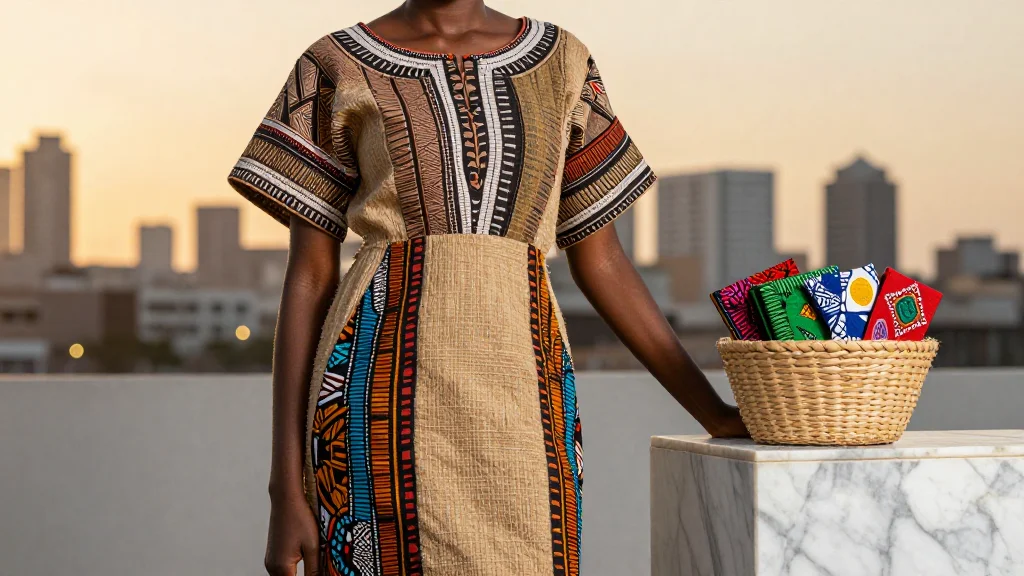
Epic Fashion Week 2026 Ends in Lagos, Spotlighting Sustainability and New Talent

Why It Matters
The Lagos edition of Epic Fashion Week demonstrates that sustainability is no longer a niche concern but a central pillar of African fashion strategy. By coupling eco‑friendly design with a structured mentorship and seed‑funding model, the event provides a replicable blueprint for nurturing talent that can compete on the world stage. Moreover, the focus on export readiness addresses a historic bottleneck for African designers—limited access to international distribution channels—potentially unlocking new revenue streams and elevating the continent’s cultural capital. The competition’s emphasis on timeless, sustainable collections also challenges the fast‑fashion paradigm that dominates global markets, offering an alternative that aligns with growing consumer demand for ethical products. As African brands gain visibility, they can influence global trends, drive demand for locally sourced materials, and stimulate ancillary industries such as textile manufacturing and logistics, fostering broader economic development.
Key Takeaways
- •Epic Fashion Week 2026 concluded on 24 May at The Podium in Lekki, Lagos
- •More than 20 designers showcased collections focused on sustainability and cultural storytelling
- •Design for the Future competition received over 2,000 entries, selecting 25 designers for incubation
- •Emerging label Iwari won ₦1 million (~$2,200) seed funding and a year‑long mentorship program
- •Panels addressed authenticity vs commercialisation and strategies for exporting African fashion
Pulse Analysis
Epic Fashion Week’s Lagos edition marks a watershed moment for the African fashion industry, not merely as a regional showcase but as a strategic platform that aligns creative expression with market imperatives. Historically, African designers have struggled to translate runway acclaim into sustainable business models, often hampered by fragmented supply chains and limited access to capital. By embedding a six‑week incubation and a seed‑funding prize within the event, organisers are directly addressing these pain points, creating a pipeline that can nurture designers from concept to commercial launch.
The emphasis on sustainability reflects a broader shift in consumer preferences, especially among Gen Z and millennial shoppers who prioritize ethical sourcing. African designers, with their deep ties to indigenous textile traditions, are uniquely positioned to lead this movement. However, scaling sustainable practices requires investment in local textile innovation, which the seed funding and mentorship can catalyse. If the D4DF accelerator expands as promised, it could spawn a new generation of brands that not only meet global ESG standards but also redefine them through African craftsmanship.
Export readiness was another focal point, acknowledging that African fashion’s growth hinges on breaking into established global markets. The panels highlighted practical hurdles—customs compliance, brand storytelling, and distribution logistics—suggesting that future editions may incorporate trade‑mission components or partnerships with international retailers. Success in these areas could transform Africa from a regional fashion hub into a significant contributor to the global apparel economy, reshaping trade balances and creating high‑value jobs across the continent.
Epic Fashion Week 2026 Ends in Lagos, Spotlighting Sustainability and New Talent
Comments
Want to join the conversation?
Loading comments...