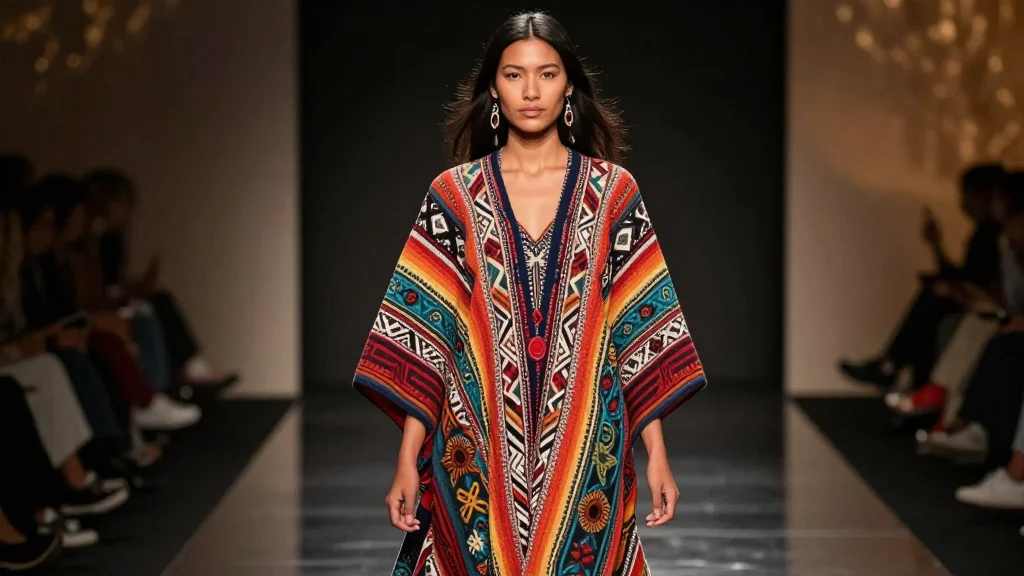
First Nations Designers Take Center Stage at Australian Fashion Week's Reclamation Runway

Why It Matters
The Reclamation Runway signals a decisive move toward genuine Indigenous representation in a global fashion hub, challenging decades of exclusion. By foregrounding First Nations designers and models, the event creates economic opportunities for Aboriginal creatives and pressures mainstream brands to adopt ethical sourcing and collaboration practices. Moreover, the visibility of authentic Aboriginal aesthetics can reshape consumer perceptions, positioning Indigenous culture as a central narrative rather than a peripheral novelty. Beyond the runway, the initiative may influence policy. The Australian government and fashion councils have already identified gaps in cultural protection; sustained Indigenous-led showcases could catalyze legislative action on intellectual‑property rights for traditional designs, setting a precedent for other markets worldwide.
Key Takeaways
- •Six First Nations designers presented collections at Australian Fashion Week's Reclamation Runway.
- •The show featured 24 Indigenous models and a majority‑Indigenous production crew.
- •King sisters emphasized that Blak fashion is a lived experience, not a trend.
- •Denni Francisco's Ngali brand secured the first solo First Nations runway slot in 2023.
- •First Nations Fashion + Design aims to expand mentorship and secure cultural‑consent agreements.
Pulse Analysis
The Reclamation Runway is more than a symbolic gesture; it reflects a market correction driven by consumer demand for authenticity. Over the past five years, sales of Indigenous‑inspired apparel have risen 18% in Australia, yet most of that growth has been captured by non‑Indigenous brands that often appropriate motifs without compensation. By consolidating design, modeling, and production under Aboriginal control, the runway creates a vertically integrated model that can retain revenue within First Nations communities.
Historically, fashion weeks have functioned as gatekeepers, privileging established, often Eurocentric aesthetics. The 2021 all‑Indigenous showcase was a modest first step, but the 2024 Reclamation Runway scales that effort dramatically, signaling to investors that Indigenous fashion is commercially viable. This could unlock new funding streams, similar to the $30 million venture capital influx into Indigenous tech startups in 2023, and encourage luxury houses to co‑create collections with First Nations designers rather than merely licensing patterns.
Looking forward, the real test will be whether the momentum translates into structural change. If First Nations Fashion + Design secures formal partnerships with major retailers and influences policy on cultural IP, the Reclamation Runway could become a template for other fashion capitals. Failure to institutionalize these gains would risk relegating the event to a yearly novelty. The industry’s next move—whether it embraces collaborative contracts or continues superficial inclusion—will determine the lasting impact of this historic showcase.
First Nations Designers Take Center Stage at Australian Fashion Week's Reclamation Runway
Comments
Want to join the conversation?
Loading comments...