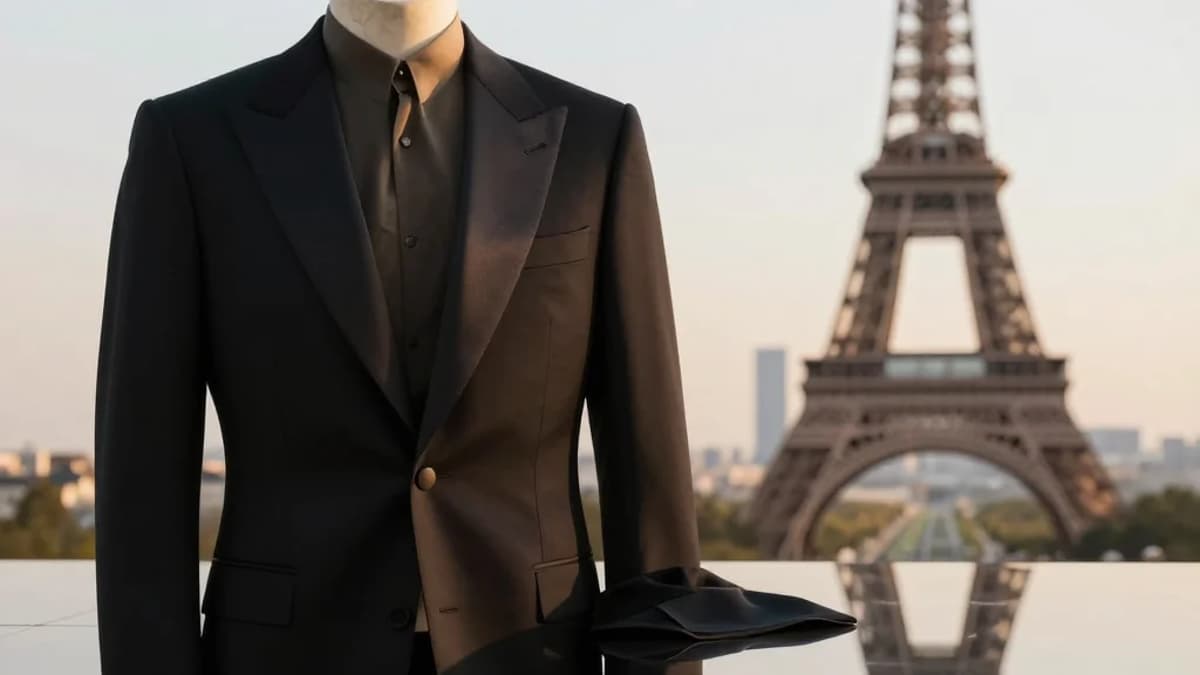
Forum Members Review the ‘Repetitive’ Fall 2026 Saint Laurent Collection From Anthony Vaccarello
•March 6, 2026
0
Why It Matters
The negative reception highlights growing brand fatigue, risking Saint Laurent’s relevance in a fast‑moving luxury market. It may prompt strategic shifts in creative direction or leadership to preserve market share.
Key Takeaways
- •Critics label collection repetitive, lacking fresh ideas
- •Iconic Le Smoking jacket revisited, but feels stale
- •Star‑studded front row couldn't mask design monotony
- •Forum calls for Vaccarello's replacement or reinvention
- •Luxury market watches for brand relevance signals
Pulse Analysis
The Fall 2026 Saint Laurent runway, staged at Paris’s Trocadéro Fountain beneath an illuminated Eiffel Tower, was helmed by creative director Anthony Vaccarello. The show leaned heavily on the house’s heritage, re‑interpreting the 1966 “Le Smoking” jacket and pairing it with lace two‑piece sets, oversized faux‑fur coats, and bold accessories. A‑list guests such as Kate Moss, Zoë Kravitz and Michelle Pfeiffer filled the front row, underscoring the brand’s star power. Visually, the collection was polished, but its aesthetic choices felt familiar.
Forum members on theFashionSpot, however, were largely unimpressed, describing the collection as “repetitive,” “déjà vu,” and a “snooze fest.” Critics noted a reliance on identical silhouettes, a muted color palette, and a lack of experimental risk, suggesting the designs amounted to a re‑hash of previous Vaccarello shows. In an industry where novelty drives press coverage and consumer desire, such stagnation can erode a luxury label’s cultural cachet and weaken its position against more daring competitors.
The backlash signals a potential inflection point for Saint Laurent. Stakeholders may pressure the creative team to inject fresh narratives, diversify fabric choices, or even consider a leadership change if the brand’s relevance continues to wane. For investors and fashion analysts, the episode highlights the broader challenge luxury houses face: balancing heritage with innovation to sustain market momentum in an increasingly fast‑moving digital era.
Forum Members Review the ‘Repetitive’ Fall 2026 Saint Laurent Collection From Anthony Vaccarello
0
Comments
Want to join the conversation?
Loading comments...