Fresh Call for UK Fashion Watchdog Amid Damning Survey
•March 6, 2026
0
Why It Matters
Unfair purchasing contracts erode factory profitability and workers’ rights, threatening the sustainability of the UK fashion supply chain. A dedicated watchdog could compel brands to adopt fairer terms, enhancing ethical standards and protecting the industry’s global reputation.
Key Takeaways
- •Survey finds widespread unfair purchasing contracts in UK garment sector
- •Academics from Leicester, Nottingham, Transform Trade authored report
- •Call urges government to establish independent fashion watchdog
- •Unfair terms pressure factories, lower wages, increase labor violations
- •Watchdog could improve transparency, enforce fair trade standards
Pulse Analysis
The UK fashion industry has long grappled with opaque supply‑chain practices, and recent scandals have amplified calls for stronger oversight. While voluntary codes and corporate social responsibility initiatives exist, they often lack enforceable teeth, leaving smaller manufacturers vulnerable to exploitative contracts. By situating the issue within a broader context of post‑Brexit trade adjustments and rising consumer demand for ethical products, the new survey underscores a systemic gap that voluntary measures have failed to bridge.
The Leicester‑Nottingham‑Transform Trade study surveyed over 300 garment factories, revealing that more than 70% of respondents face contract clauses that force them to absorb cost overruns, meet unrealistic delivery windows, and accept last‑minute design changes without price adjustments. These practices compress profit margins, prompting factories to cut labor costs, delay safety investments, and, in some cases, resort to illegal overtime. The data also highlighted a correlation between unfair purchasing terms and higher incidences of wage theft and health‑and‑safety violations, suggesting that contract inequities directly translate into poorer working conditions on the shop floor.
Establishing a dedicated fashion watchdog could transform the regulatory landscape by introducing mandatory reporting, standardized contract templates, and penalties for non‑compliance. Such an authority would not only level the playing field for manufacturers but also provide brands with a clear compliance pathway, reducing reputational risk. Moreover, a watchdog could facilitate data‑driven policy making, enabling the government to monitor industry trends and intervene before systemic abuses proliferate, ultimately strengthening the UK’s position as a leader in sustainable and ethical fashion.
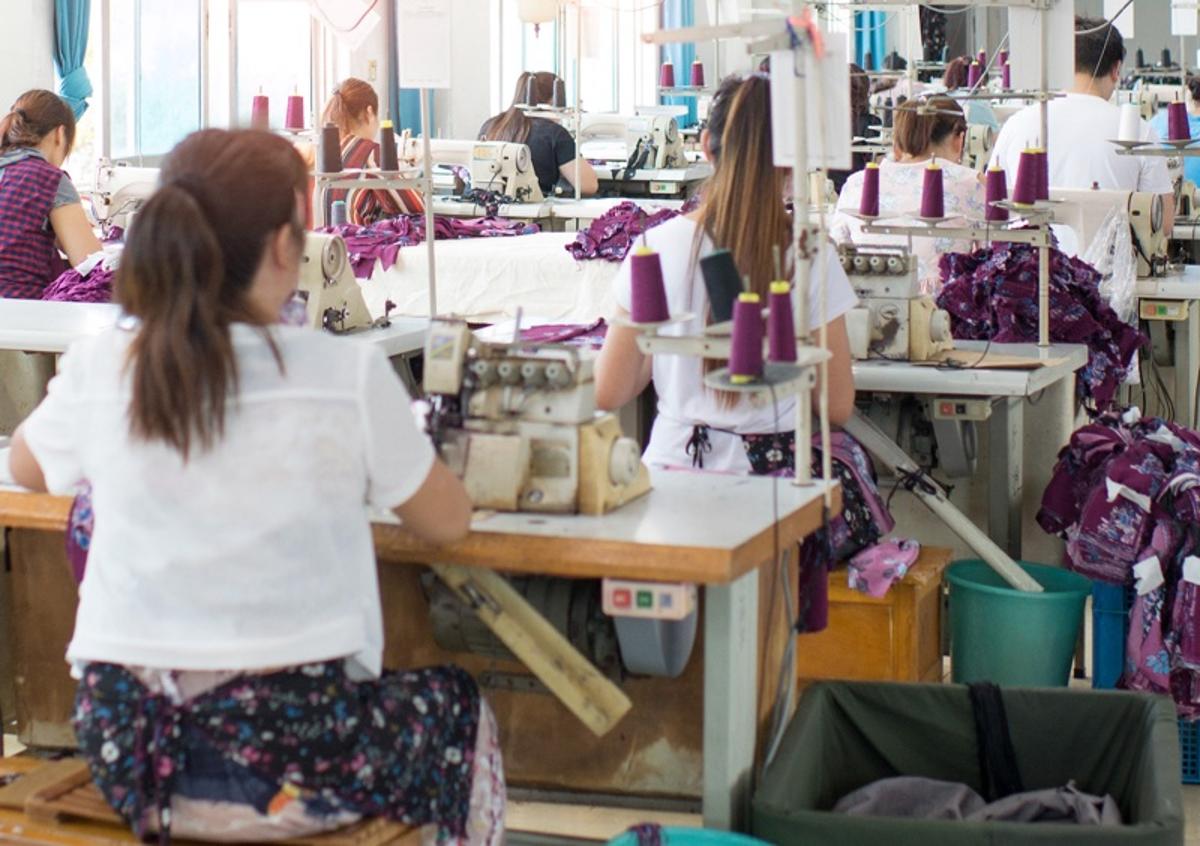
Fresh call for UK fashion watchdog amid damning survey
0
Comments
Want to join the conversation?
Loading comments...