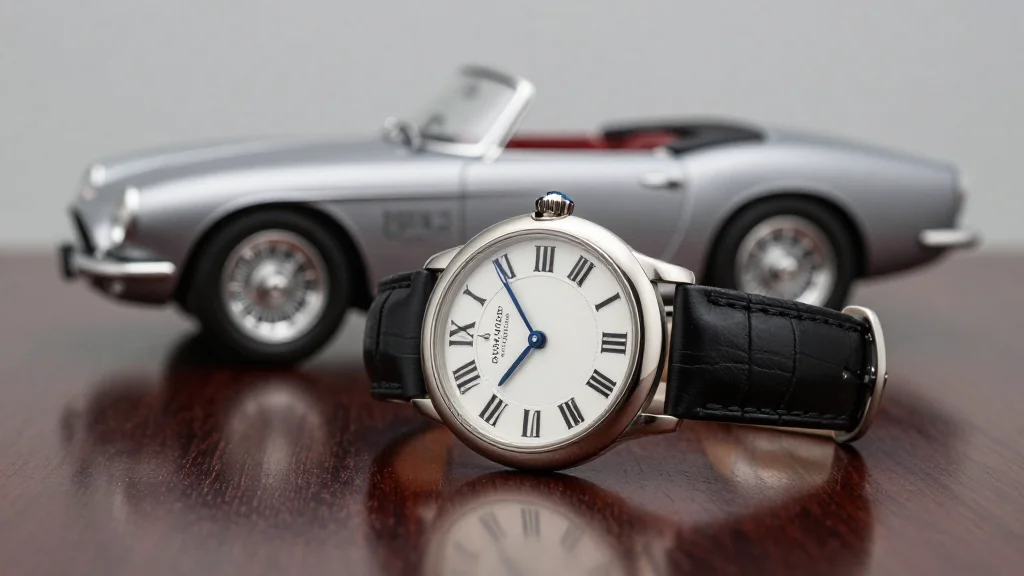
From Cartier, a Watch Like a Sports Car
Why It Matters
The Roadster’s comeback taps luxury consumers’ appetite for nostalgic, high‑profile timepieces, strengthening Cartier’s position in a competitive watch market that prizes heritage and distinctive design.
Key Takeaways
- •Cartier revives the Roadster, first launched 2002, discontinued 2014.
- •Design draws from 1950s‑60s sports cars, with taillight‑style crown.
- •Link bracelet mimics rear vent; sword hands echo speedometer.
- •Reissue taps nostalgia, targeting affluent collectors seeking heritage pieces.
- •Highlights Cartier’s tradition of blending horology with transportation motifs.
Pulse Analysis
Cartier’s fascination with speed and travel dates back to the brand’s early 20th‑century partnership with Brazilian aviator Alberto Santos‑Dumont, whose need for a wrist‑worn chronometer birthed the iconic Santos. That legacy of marrying function with motion continued through the 2000s, culminating in the original Roadster—a watch that celebrated the sleek lines of 1950s‑60s sports cars. Though the first Roadster was retired in 2014, its distinctive barrel‑shaped case and automotive‑themed details left a lasting impression among collectors and design enthusiasts.
The resurrected Roadster stays true to its automotive roots. Its crown resembles a car’s taillight, while the link bracelet mirrors the rear vent of a classic roadster. Sword‑shaped hands and a dial that recalls a speedometer further reinforce the motoring theme. Crafted in gold or stainless steel with a polished finish, the watch balances luxury materials with the kinetic energy of its inspiration, offering a tactile reminder of speed even when worn on the wrist.
In today’s luxury watch market, heritage revivals are a proven growth engine, and Cartier’s Roadster re‑entry is no exception. Collectors increasingly seek pieces that tell a story and connect to broader cultural narratives, and the Roadster delivers both. By re‑launching a model that bridges vintage automotive design and contemporary craftsmanship, Cartier not only capitalizes on nostalgia but also differentiates itself from competitors focused solely on traditional horology. The move signals a strategic emphasis on cross‑industry storytelling, positioning the brand to capture affluent buyers who value both legacy and distinctive aesthetic flair.
From Cartier, a Watch Like a Sports Car
Comments
Want to join the conversation?
Loading comments...