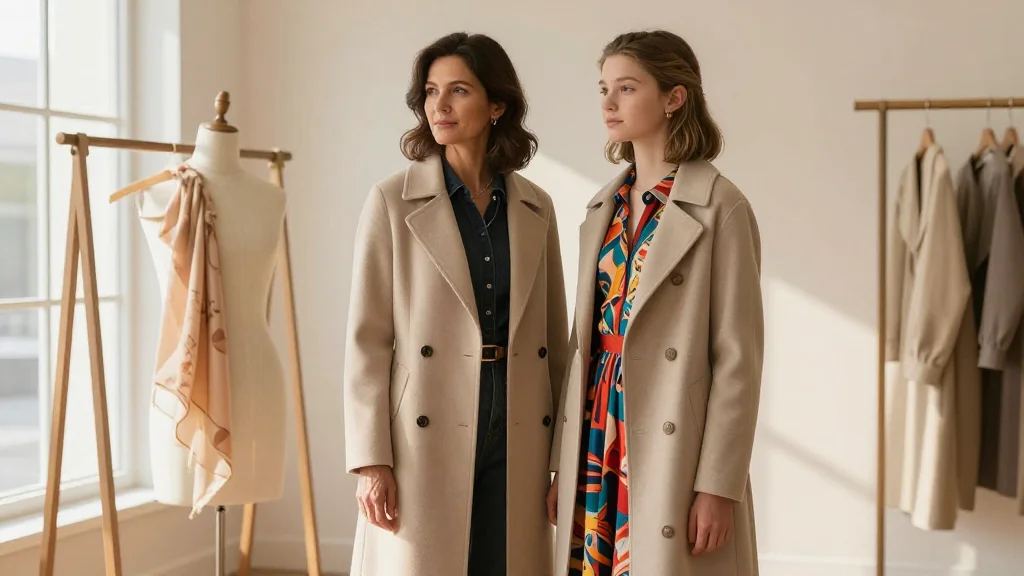
Why It Matters
The resurgence shows retailers can tap into emotional, family‑focused buying cycles, turning heritage aesthetics into profitable, cross‑generational product lines.
Key Takeaways
- •Jeanne Lanvin launched first mother‑daughter line in 1919
- •Lilly Pulitzer revived the trend with colorful prints in 1950
- •1990s saw decline; DIY patterns kept niche alive
- •2000s celebrity moms sparked “Mommy and Me” comeback
- •2026 launches by Nicky Hilton signal new market growth
Pulse Analysis
The earliest incarnation of mother‑daughter dressing emerged from Parisian couturier Jeanne Lanvin, who in 1919 created a children’s collection inspired by her daughter Marguerite. Lanvin’s designs, showcased alongside Cheruit in Women’s Wear Daily, set a precedent for matching adult‑child ensembles, a concept that quickly migrated to American department stores and upscale boutiques during the 1930s. This early adoption laid the cultural groundwork for a category that blended luxury aesthetics with familial bonding, establishing a template that would echo through the next century.
Mid‑century America saw the trend reach its zenith when Lilly Pulitzer introduced candy‑colored, sailor‑collared dresses in 1950. The brand’s visibility surged after First Lady Jacqueline Kennedy was photographed in Pulitzer pieces, turning the label into a household name and prompting mothers nationwide to emulate the Kennedy look with their daughters. However, by the 1990s, consumer appetite waned, leaving only niche offerings from brands like Laura Ashley and Ralph Lauren, while DIY pattern companies such as Simplicity kept the spirit alive for hobbyists.
The 2000s marked a revival fueled by celebrity influence: Elizabeth Hurley’s swimwear line, Bloomingdale’s Aqua collection, and affordable options from Old Navy re‑energized the “Mommy and Me” market. Recent launches, including Nicky Hilton Rothschild’s 21‑piece “maman & mini” collection and Kimora Lee Simmons’ intergenerational campaign, signal a renewed commercial opportunity. As Mother’s Day marketing intensifies, brands that blend nostalgic design with contemporary sustainability and digital engagement are poised to capture a new wave of intergenerational shoppers.
From the Archive: The Stylish Origins of Mother-daughter Dressing
Comments
Want to join the conversation?
Loading comments...