Global Brands See Revival in China as Retail Nationalism Cools
Why It Matters
The shift signals a stabilization of China’s retail landscape, offering Western brands a more predictable entry point and reshaping global supply dynamics amid geopolitical pressures.
Key Takeaways
- •Chinese investors shift to cautious, minority stakes in Western fashion labels
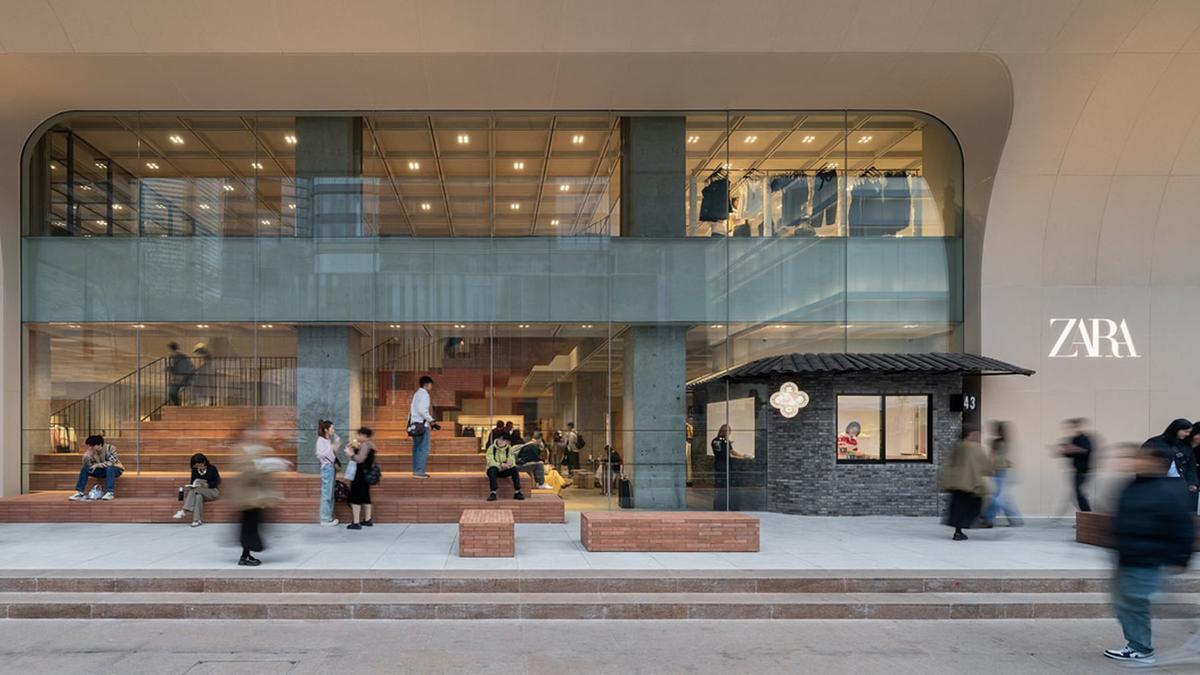
- •Domestic brands Anta and Urban Revivo expand into Nike, Zara markets abroad
- •Gen Alpha drives mall revivals with child‑focused experiential retail
- •Uganda's growing middle class attracts Adidas, Puma, and Asian competitors
- •Middle East crisis inflates material costs, tightening global fashion supply chains
Pulse Analysis
China’s recent retreat from aggressive, full‑ownership deals marks a strategic pivot for both investors and target brands. By taking smaller equity positions, Chinese capital reduces exposure to regulatory scrutiny and consumer backlash, while still gaining access to coveted design talent and brand equity. This tempered approach aligns with Beijing’s broader push to curb retail nationalism, allowing Western fashion houses to re‑enter the market with clearer growth pathways and less political risk.
At the same time, home‑grown players such as Anta and Urban Revivo are leveraging their deep supply‑chain networks to challenge incumbents like Nike and Zara beyond China’s borders. Their expansion into Southeast Asia, the Middle East, and even Beverly Hills illustrates a new wave of Chinese‑led globalisation, where price‑competitive, trend‑responsive collections meet local consumer preferences. This competitive pressure forces legacy brands to rethink pricing, distribution, and partnership models to retain market share.
Beyond China, the ripple effects are evident across emerging markets. Uganda’s burgeoning middle class is attracting early‑stage investments from Adidas, Puma, and Asian manufacturers, positioning East Africa as the next fashion growth engine. Simultaneously, the Middle East conflict is inflating raw‑material costs, tightening supply chains, and prompting brands to diversify sourcing. Together, these dynamics underscore a fashion ecosystem in flux, where measured capital deployment, regional brand battles, and geopolitical shocks reshape growth strategies worldwide.
Global Brands See Revival in China as Retail Nationalism Cools
Comments
Want to join the conversation?
Loading comments...