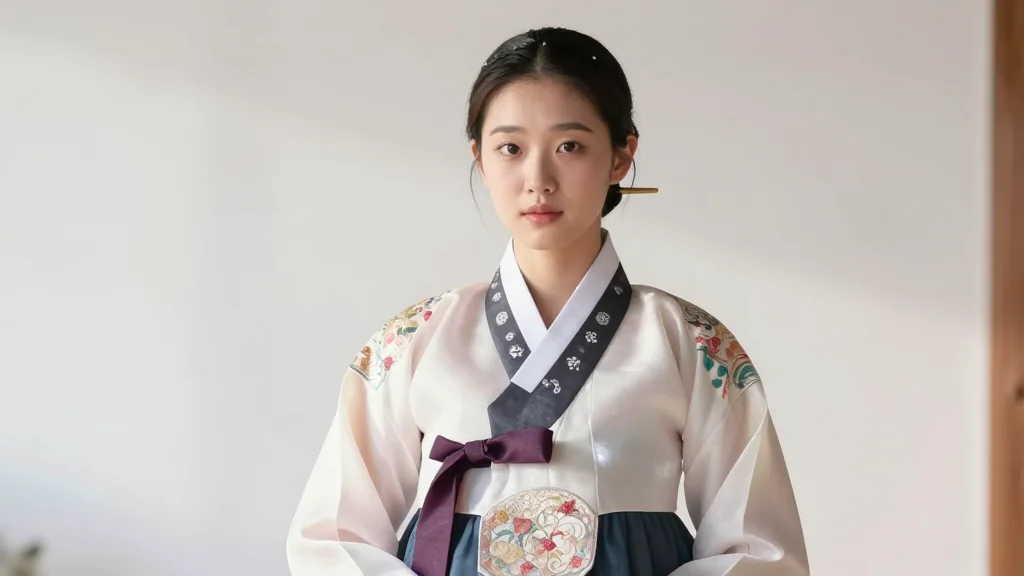
Hanbok Hits Global Stage as Korea’s Costume Society Marks 50 Years

Why It Matters
The han‑bok’s ascent from ceremonial attire to a global fashion icon illustrates how cultural heritage can be repurposed for contemporary markets, driving both soft power and economic growth. By positioning the garment within K‑pop, television and high fashion, Korea is creating a scalable model for other nations seeking to monetize traditional dress without eroding its cultural significance. UNESCO recognition would further legitimize the han‑bok as an intangible cultural asset, unlocking funding for preservation, education and innovation. For the fashion industry, the trend signals a shift toward heritage‑driven design, prompting brands worldwide to explore collaborations that blend authenticity with modern aesthetics.
Key Takeaways
- •Dec. 9, 2026: Korean Society of Costume hosts 50th‑anniversary conference at National Museum of Korea.
- •Conference theme focuses on ‘Creative Reinterpretation of Traditional Dress’ and han‑bok’s global revival.
- •K‑pop idols BTS, BLACKPINK and others have popularized han‑bok hybrids on stage and social media.
- •UNESCO intangible cultural heritage registration for ‘han‑bok life’ is under active consideration.
- •FIT’s Professor Kyunghee Pyun delivers keynote on globalization of Korean costume, linking academia and industry.
Pulse Analysis
The han‑bok’s transformation is more than a fashion moment; it is a strategic cultural export that leverages Korea’s soft power. Historically, traditional dress served ritualistic functions, but the convergence of pop culture and high fashion has re‑engineered its value proposition. By embedding the han‑bok in music videos, drama wardrobes and runway shows, Korean creators have turned a niche heritage item into a viral commodity, driving demand for related textiles, accessories and experiential tourism.
From a market perspective, the han‑bok’s rise aligns with a broader consumer appetite for authenticity and storytelling. Brands that can credibly integrate heritage narratives into product lines are poised to capture premium segments, especially among Gen Z shoppers who prioritize cultural relevance. The upcoming UNESCO bid could amplify this effect, providing a seal of authenticity that differentiates Korean designs in a crowded global marketplace. However, the push for commercialization must be balanced against the risk of cultural dilution; the conference’s academic focus serves as a safeguard, ensuring that reinterpretations remain rooted in scholarly research.
Looking forward, the han‑bok’s trajectory will likely intersect with digital innovation. Virtual try‑ons, NFT‑linked garments and AI‑driven design tools could extend the garment’s reach beyond physical borders, creating new revenue streams while preserving traditional craftsmanship. The 2026 conference thus functions as a catalyst, setting the agenda for how heritage fashion can evolve responsibly in the age of globalization.
Hanbok Hits Global Stage as Korea’s Costume Society Marks 50 Years
Comments
Want to join the conversation?
Loading comments...