Harvard Study Finds Gender‑Fluid Fashion Reinforces Power Hierarchies

Companies Mentioned

Why It Matters
The study matters because it challenges the assumption that gender‑fluid fashion automatically advances gender equity. By revealing that women’s adoption of masculine styles can reinforce existing power structures, the research forces brands, retailers, and corporate dress‑code policymakers to reconsider how inclusivity is operationalized. If fashion continues to signal authority through traditionally male aesthetics, the sector may inadvertently sustain wage gaps and leadership disparities. Moreover, the findings provide a data‑driven foundation for advocacy groups demanding more nuanced approaches to gender inclusivity. Policymakers and corporate HR leaders can use the insights to craft dress‑code policies that celebrate diversity without defaulting to masculine symbols of power, thereby fostering truly equitable workplaces.
Key Takeaways
- •Harvard study shows women adopt masculine styles more often in gender‑fluid fashion
- •Research suggests this trend reinforces traditional power hierarchies
- •Major brands have launched gender‑fluid lines but may be targeting narrow demographics
- •Industry projected to grow 12% annually through 2028, raising stakes for authentic inclusion
- •Hoff recommends longitudinal studies and deeper consumer feedback to avoid performative marketing
Pulse Analysis
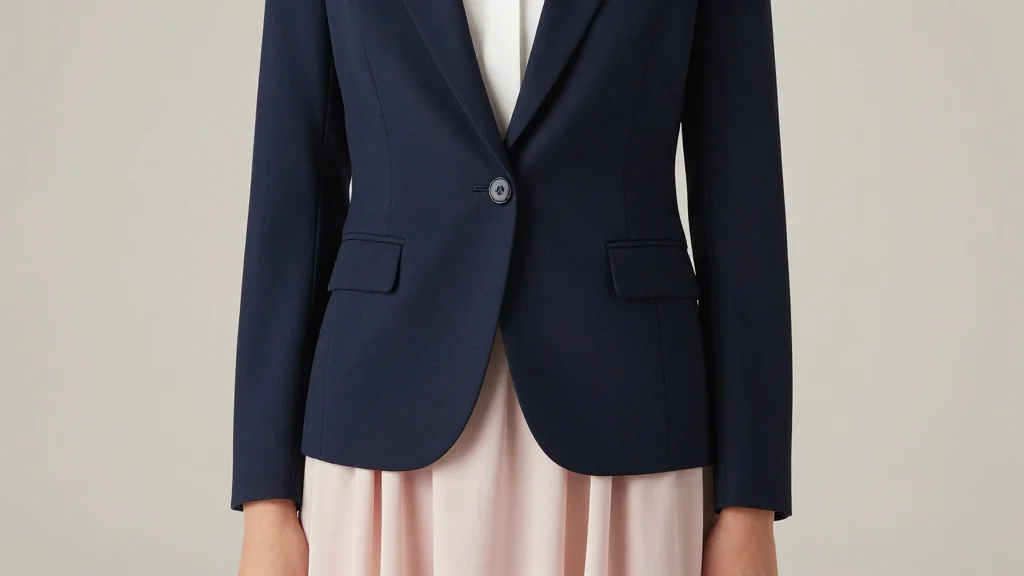
Hoff’s study arrives at a crossroads where fashion’s gender‑fluid narrative collides with entrenched corporate power symbols. Historically, clothing has been a visual marker of status; suits, ties, and structured blazers have signaled authority in Western business culture. The data that women gravitate toward these items to signal competence suggests that the market’s inclusive push is still filtered through a masculine lens of success. Brands that merely add unisex silhouettes without interrogating these symbols risk reinforcing the very hierarchy they claim to dismantle.
From a competitive standpoint, the insight creates a strategic differentiator. Companies that invest in research‑driven design—examining how garment cuts, fabric choices, and marketing imagery affect perceptions of authority across gender identities—can capture a more authentic segment of the market. Early adopters may see loyalty gains from consumers who feel seen beyond tokenism. Conversely, firms that continue to equate gender‑fluid with simply mixing male and female pieces may encounter consumer fatigue and activist pushback, eroding brand equity.
Looking forward, the fashion industry’s growth trajectory in gender‑neutral apparel will likely be shaped by how well it integrates sociological insights into product development. Hoff’s call for longitudinal studies could become a new industry standard, prompting brands to track not just sales but also the social impact of their collections on workplace dynamics. If executed thoughtfully, gender‑fluid fashion could transition from a visual trend to a catalyst for reshaping power structures, delivering both cultural relevance and sustainable market growth.
Harvard Study Finds Gender‑Fluid Fashion Reinforces Power Hierarchies
Comments
Want to join the conversation?
Loading comments...