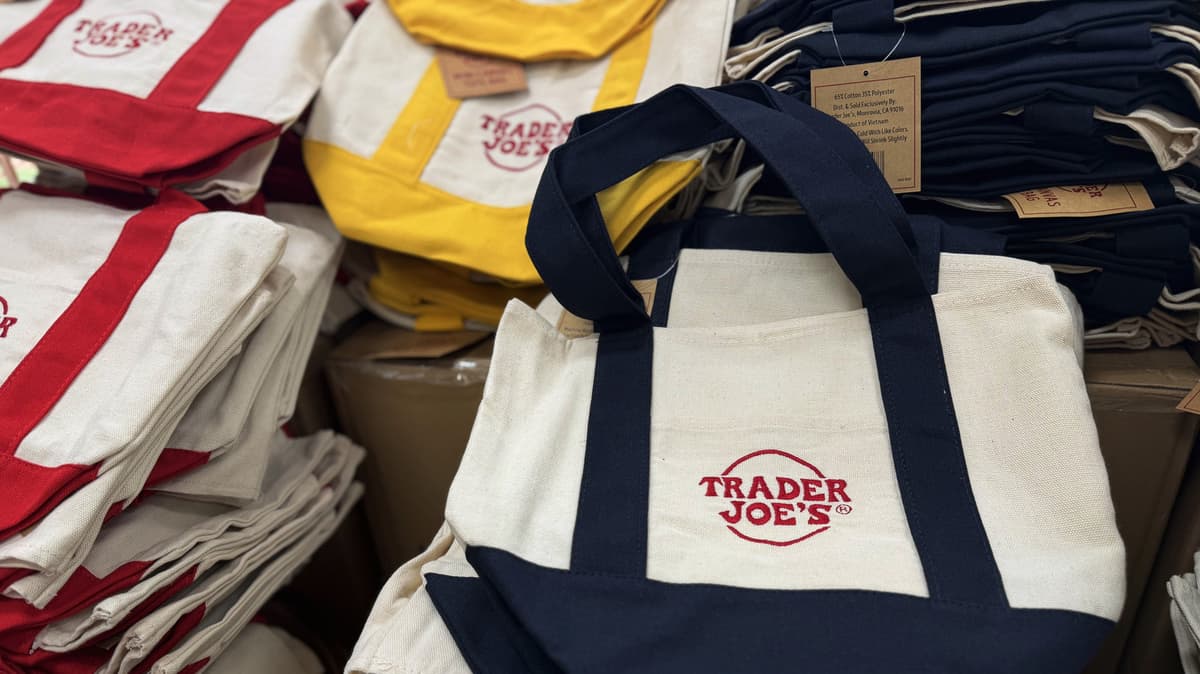
How Trader Joe's Signature Totes Have Changed Throughout The Years
Why It Matters
The evolution of Trader Joe’s totes illustrates how a simple retail accessory can become a powerful sustainability driver and a high‑value collector’s item, reinforcing brand engagement and generating ancillary revenue streams.
Key Takeaways
- •Trader Joe’s introduced reusable bags in 1977, sparking a global trend.
- •Vintage TJ bags now fetch $50‑$1,000 on resale markets.
- •Limited‑edition designs (e.g., 2025 micro totes) drive collector demand.
- •New pastel and lavender totes in 2025‑26 sold for under $4.
- •Bag releases create buzz, boosting brand loyalty and foot traffic.
Pulse Analysis
Trader Joe’s early adoption of reusable canvas bags in the late 1970s positioned the grocery chain as a pioneer of sustainable packaging. While many retailers later followed suit, the brand’s consistent rollout of distinctive designs—ranging from island‑themed prints to seasonal pastel palettes—has turned a functional item into a visual identifier of eco‑conscious shopping. This strategy not only reduces single‑use plastic waste but also aligns the company with growing consumer demand for environmentally responsible brands.
Beyond sustainability, the tote’s cultural cachet has birthed a vibrant collector’s market. Vintage models, especially the red Hawaiian and early‑2010s red‑maroon versions, command resale prices from $50 to well over $1,000 on platforms like eBay and specialty forums. Limited‑edition drops such as the 2025 micro and pickle totes create scarcity, prompting fans to treat each release as a limited‑time investment. This secondary‑market activity amplifies brand visibility, fuels social media chatter, and generates incremental revenue without altering core product pricing.
Looking ahead, Trader Joe’s continues to leverage micro‑sizing and pastel colorways to keep the tote fresh in a saturated market. The 2026 lavender and pink large canvases, priced under $4, demonstrate how low‑cost items can still drive foot traffic and brand loyalty. Other retailers are likely to emulate this model, using exclusive, collectible accessories to deepen consumer connections while advancing sustainability goals. As the line between functional grocery bag and fashion statement blurs, the tote’s role as a branding tool will only grow stronger.
How Trader Joe's Signature Totes Have Changed Throughout The Years
Comments
Want to join the conversation?
Loading comments...