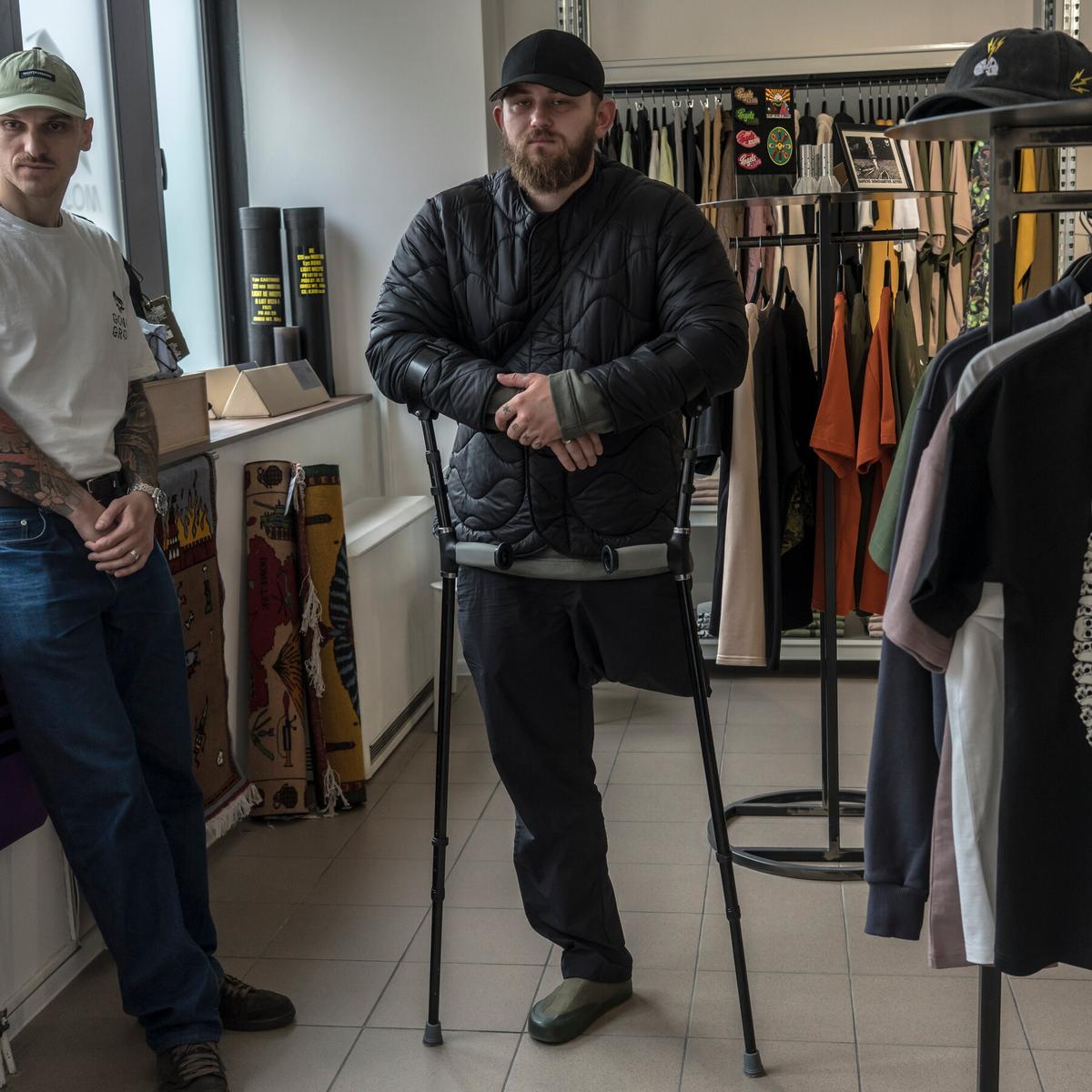
How Ukraine’s Street Style Is Shaped by the War
Why It Matters
The fusion of combat wear and civilian fashion reinforces national cohesion and creates a new economic niche for Ukrainian designers, while projecting Ukraine’s resilience to global audiences.
Key Takeaways
- •Military aesthetics dominate Kyiv streetwear
- •Brands hire veterans, offer 50% discounts
- •Patch sales fund frontline units
- •Functional clothing meets air‑raid needs
- •Fashion becomes a morale‑boosting symbol
Pulse Analysis
The protracted conflict in Ukraine has erased the visual divide between soldiers and civilians, turning utilitarian military gear into everyday attire. Olive‑tone vests, camouflage‑patterned bags and modular jackets now populate Kyiv’s streets, reflecting a collective desire to embody the resilience of the armed forces. This shift mirrors historical moments when societies under siege repurposed combat wear for civilian life, but the Ukrainian case is intensified by daily air‑raid alerts that demand clothing capable of rapid shelter access and emergency aid.
Local designers have seized the moment, reconfiguring their business models around the war’s aesthetic. Brands like Riot Division, founded in 2010, pivoted to modular, technical fabrics that suit both creative professionals and frontline soldiers, while offering a 50 percent discount to veterans, medics and journalists. M‑TAC rebuilt after missile strikes, launching the "Phantom Project" line that blends tactical performance with runway appeal. Mojave aggregates over 70 Ukrainian makers, channeling proceeds to specific brigades. These strategies not only sustain revenue amid infrastructure damage but also position Ukrainian streetwear for export, as global consumers seek authentic, conflict‑inspired fashion.
Beyond commerce, the militarized look functions as a cultural rallying point, reinforcing a shared identity rooted in sacrifice and solidarity. President Zelensky’s own military‑style wardrobe underscores the political weight of the trend, while unwritten etiquette—such as avoiding the pixel camouflage without service—preserves respect for those on the front lines. As the war continues, this fashion narrative may evolve into a post‑conflict legacy, influencing international designers and cementing Ukraine’s contribution to contemporary street style. The convergence of practicality, patriotism, and profit illustrates how conflict can reshape not just geopolitics but the very fabric of daily life.
How Ukraine’s Street Style Is Shaped by the War
Comments
Want to join the conversation?
Loading comments...