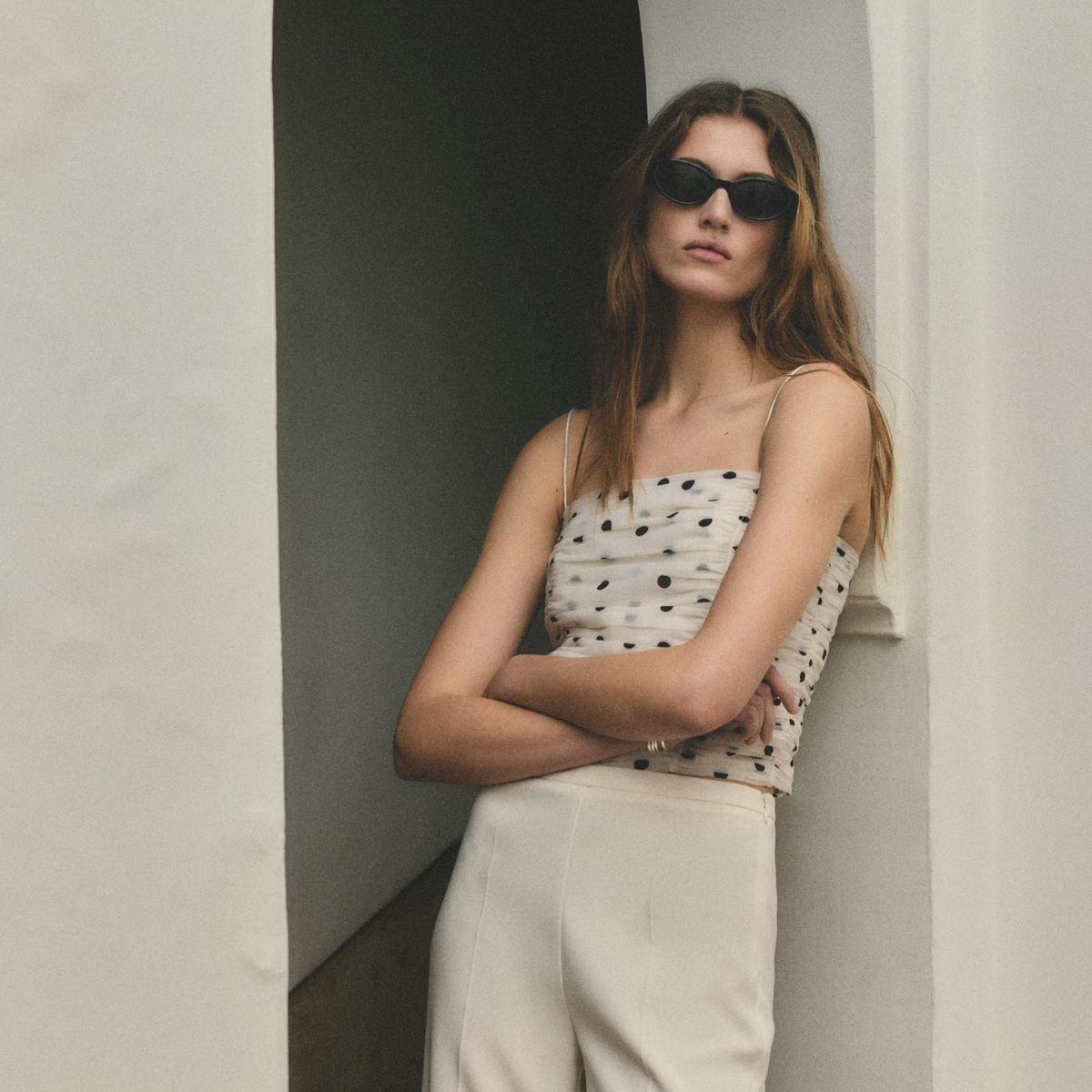
I Gasped—H&M, COS and Mango Just Dropped the Most Expensive-Looking Spring Buys
Companies Mentioned
Why It Matters
These high‑street releases show how fast‑fashion retailers are capitalizing on consumer demand for premium style at budget prices, reshaping the value proposition in the apparel market. By offering runway‑inspired designs at accessible price points, they attract cost‑conscious shoppers and pressure traditional luxury brands to rethink pricing strategies.
Key Takeaways
- •H&M’s linen‑blend jacket priced at $57 mimics designer outerwear.
- •COS’s barrel‑leg trousers offer runway style for $95.
- •Mango’s embroidered cotton top delivers luxe look at $58.
- •High‑street brands target budget‑conscious shoppers seeking premium aesthetics.
- •Spring trends favor linen, raffia, and suede textures across collections.
Pulse Analysis
Fast‑fashion retailers have sharpened their focus on delivering runway‑inspired looks at price points that undercut traditional luxury brands. By leveraging economies of scale and rapid design cycles, H&M, COS and Mango can introduce seasonal pieces that echo high‑end silhouettes—think structured jackets, tailored trousers and intricate embroidery—while keeping the consumer’s wallet in mind. This strategy not only widens their appeal among style‑savvy millennials and Gen Z shoppers but also reinforces the high‑street’s role as a primary source for trend‑forward apparel.
The spring lineup showcases a clear material narrative: linen, raffia and suede dominate, reflecting a broader industry shift toward breathable, tactile fabrics for warmer months. H&M’s $57 linen‑blend jacket and COS’s $95 barrel‑leg trousers illustrate how designers translate premium fabric choices into affordable garments. Meanwhile, Mango’s $58 embroidered cotton top and $76 braided shoulder bag demonstrate that detailed craftsmanship can be mass‑produced without sacrificing perceived quality. These price conversions highlight a sweet spot where consumers feel they are getting designer‑level aesthetics for a fraction of the cost, encouraging repeat purchases and brand loyalty.
For the market, this trend signals intensified competition between high‑street and luxury sectors. As consumers increasingly prioritize look over label, luxury houses may need to explore diffusion lines or strategic collaborations to retain relevance. Additionally, the emphasis on sustainable‑looking materials aligns with growing environmental consciousness, offering retailers an avenue to market both style and responsibility. Looking ahead, the ability to swiftly adapt to seasonal trends while maintaining cost efficiency will be a decisive factor in capturing market share in the ever‑evolving fashion landscape.
I Gasped—H&M, COS and Mango Just Dropped the Most Expensive-Looking Spring Buys
Comments
Want to join the conversation?
Loading comments...