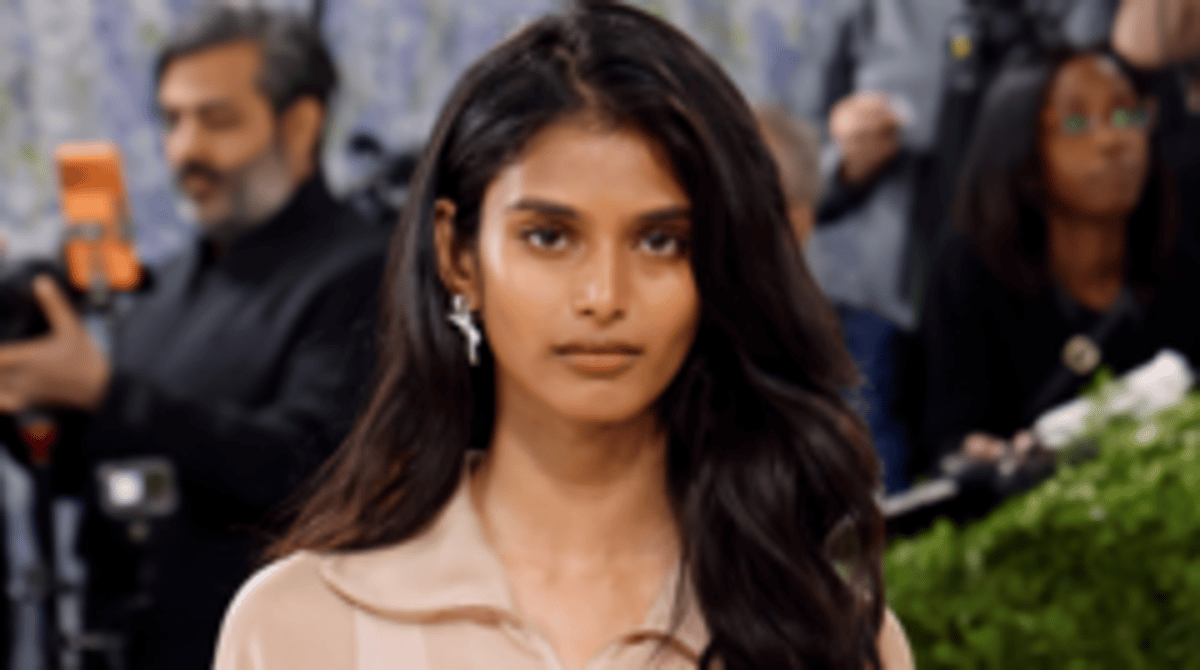
Indian Model's Understated Met Gala Debut Revives Debate on Cultural Representation
Companies Mentioned
Why It Matters
Mandava’s appearance spotlights the tension between diversity‑driven representation and the fashion industry’s appetite for spectacle, influencing how brands position emerging talent from under‑represented markets. The debate signals a broader shift toward evaluating cultural authenticity versus performative inclusion in high‑visibility events.
Key Takeaways
- •Mandava wore silk muslin mimicking denim, a deliberate minimalist choice
- •Her look divided critics, sparking debate on Indian representation at global events
- •Mandava rose from NY subway discovery to Chanel runway in two years
- •The minimalist aesthetic aligns with fashion’s current ‘effortless’ trend
- •Social media backlash highlights expectations for cultural spectacle at high‑profile galas
Pulse Analysis
The 2026 Met Gala, themed "Costume Art," became a flashpoint for cultural dialogue when Indian model Bhavitha Mandava arrived in a deceptively simple Chanel ensemble. While the outfit’s silk muslin fabric was engineered to look like denim, its restraint contrasted sharply with the event’s usual flamboyance. This visual choice ignited a split conversation: fashion purists lauded the subtle subversion, whereas critics argued it under‑delivered on the platform traditionally used to showcase national heritage. The episode underscores how global stages are increasingly scrutinized for authentic representation, especially as models from South Asia gain visibility.
Mandava’s minimalist aesthetic taps into a broader industry trend that prizes effortlessness over overt extravagance. Designers from Chanel to Bottega Veneta have been championing "quiet luxury," where understated tailoring signals status more than ostentatious embellishment. Yet this shift collides with expectations that models of color should embody overt cultural symbols, creating a paradox for brands seeking both inclusivity and spectacle. The social‑media backlash reveals that audiences still anticipate a visual narrative that explicitly references a model’s heritage, even when the designer’s intent is to highlight personal style.
For luxury houses, Mandava’s debut offers a case study in balancing authenticity with market demands. Brands that support her understated approach may appeal to a younger, globally minded consumer base that values subtlety and genuine storytelling. Conversely, overlooking the desire for cultural signifiers could alienate segments that view high‑profile events as opportunities for representation. As the fashion ecosystem continues to negotiate these dynamics, the conversation sparked by Mandava’s Met Gala look will likely influence casting decisions, campaign strategies, and the evolving definition of inclusive luxury.
Indian model's understated Met Gala debut revives debate on cultural representation
Comments
Want to join the conversation?
Loading comments...