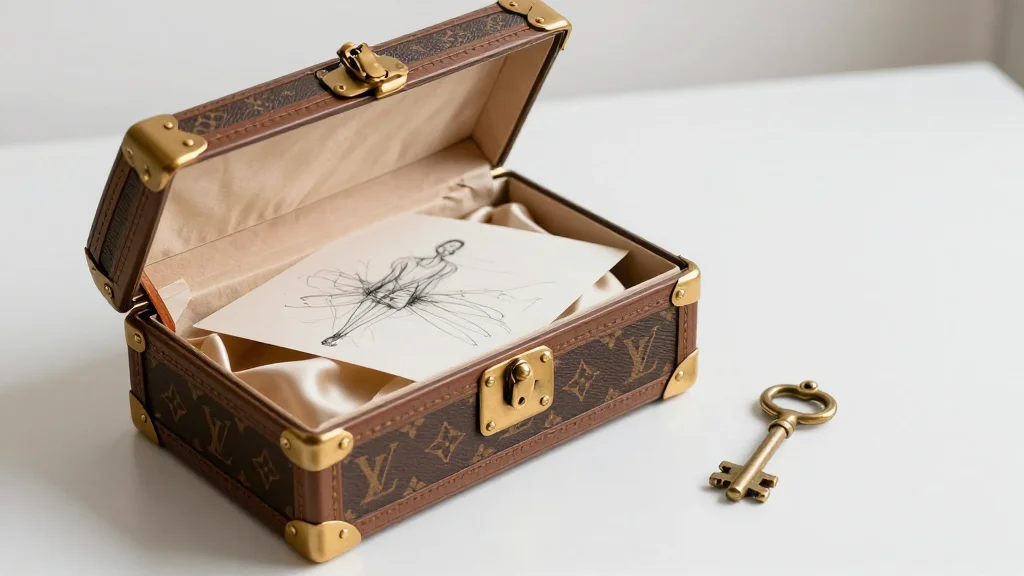
Inside Louis Vuitton’s Hidden Museum: A Century of Heritage Preserved

Companies Mentioned

Louis Vuitton
Why It Matters
The hidden museum illustrates how luxury houses can leverage heritage to sustain relevance in a fast‑changing market. By anchoring creative decisions in a century‑old archive, Louis Vuitton not only safeguards its identity but also creates a narrative that resonates with consumers craving authenticity. This approach may set a benchmark for other brands seeking to balance tradition with innovation. Moreover, the museum’s role in shaping collaborations and product development highlights the commercial upside of heritage stewardship. As luxury margins tighten, the ability to translate historical assets into fresh, high‑visibility collections could become a decisive competitive advantage.
Key Takeaways
- •Louis Vuitton’s private museum stores over 100 years of trunks, sketches and artifacts.
- •Creative director Nicolas Ghesquière and descendant Pierre‑Louis Vuitton oversee the archive.
- •The museum informs new designs, including the Petite Malle clutch and a Keith Haring collaboration.
- •Ghesquière describes the archive as a source of “secrets” that impact every creative decision.
- •The initiative reinforces Louis Vuitton’s claim as the world’s largest luxury brand.
Pulse Analysis
Louis Vuitton’s archival strategy reflects a broader shift in luxury where storytelling and provenance are as valuable as product innovation. By institutionalizing its history, the house creates a reservoir of intellectual property that can be mined for design cues, marketing narratives and limited‑edition collaborations. This not only differentiates the brand in a crowded market but also provides a buffer against the volatility of trend cycles.
Historically, luxury houses have relied on heritage as a silent selling point; however, few have made the archive a visible engine of creativity. Louis Vuitton’s approach turns the museum into a research lab, allowing designers like Ghesquière to experiment with form and function while staying anchored to the brand’s DNA. The result is a seamless blend of past and future that appeals to both traditional collectors and younger, experience‑driven shoppers.
Looking ahead, the model could inspire a wave of ‘heritage labs’ across the sector, especially as digital twins of archives become more common. Brands that can translate physical artifacts into compelling digital experiences will likely capture additional market share. Louis Vuitton’s commitment to preserving and activating its history positions it to lead this evolution, ensuring that its iconic LV monogram remains both a symbol of legacy and a platform for continual reinvention.
Inside Louis Vuitton’s Hidden Museum: A Century of Heritage Preserved
Comments
Want to join the conversation?
Loading comments...