Companies Mentioned
Why It Matters
Luxury‑style collaborations let fast‑fashion giants rewrite consumer perception, driving higher margins and defending market share against sustainability‑focused competitors.
Key Takeaways
- •Zara partners with John Galliano for a two‑year archive project
- •Willy Chavarria’s Zara collection launched with a Christy Turlington campaign
- •Zara’s 50th anniversary featured high‑profile collaborations, boosting brand cachet
- •H&M’s COS and Stella McCartney lines target upscale millennials
- •Uniqlo is praised as “better” fast fashion with fewer ethical critiques
Pulse Analysis
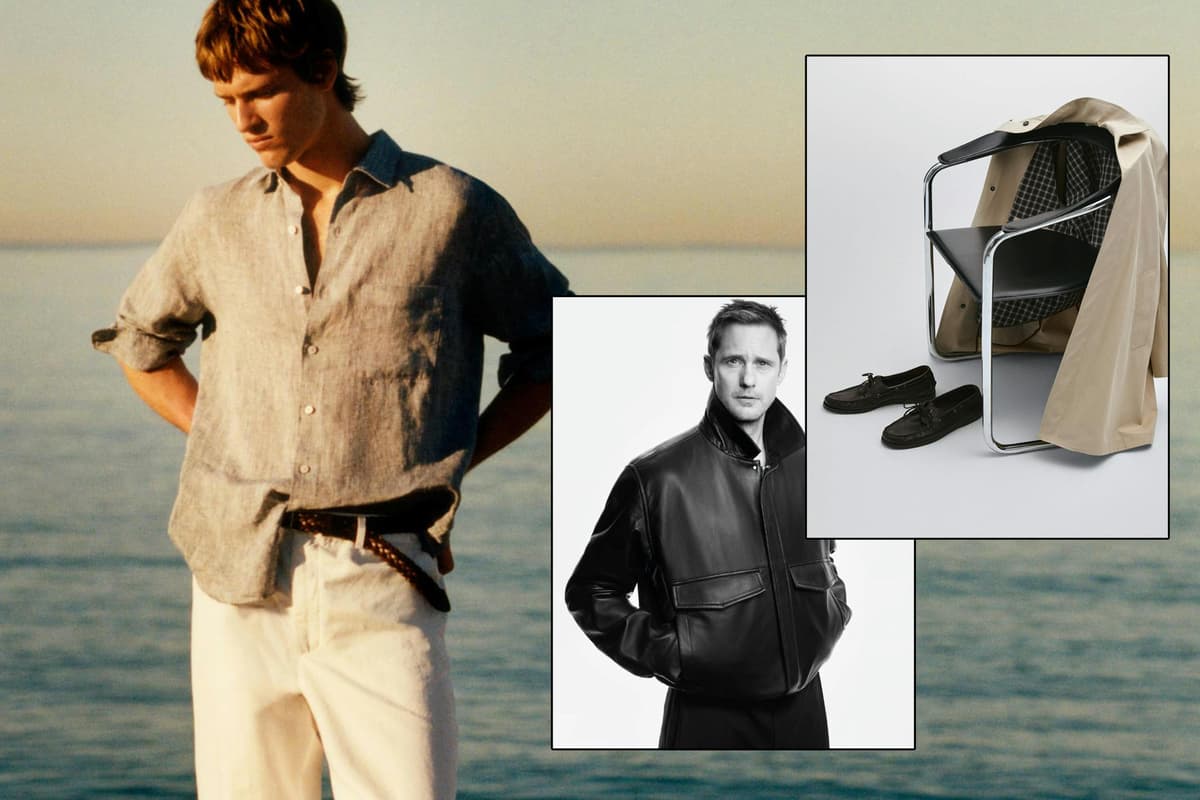
Fast fashion has long been vilified for its disposable model, yet the sector is undergoing a visual and cultural makeover. Zara’s recent alliances—most notably the John Galliano archive initiative and the Willy Chavarria capsule—inject runway credibility into its weekly turnover. By aligning with established designers and celebrity faces, Zara creates a narrative that transcends price‑driven hype, positioning its collections as limited‑edition moments that attract both trend‑hunters and style connoisseurs.
The strategic timing of these collaborations dovetails with Zara’s 50th‑anniversary celebrations, a milestone the brand leveraged to stage lavish shoots, celebrity endorsements, and even a Versace‑styled Super Bowl outfit. This high‑gloss approach not only revitalizes the brand’s image but also justifies premium pricing on select items, nudging average basket values upward. Retail analysts note that such partnerships can generate a halo effect, driving traffic to core lines while reinforcing the perception of quality and relevance in a crowded market.
Competitors are echoing the formula. H&M’s COS and its Stella McCartney partnership aim squarely at affluent millennials seeking sustainable chic, while Uniqlo maintains its reputation as a more ethically palatable fast‑fashion option. The convergence of luxury aesthetics with mass‑market distribution reshapes consumer expectations, forcing the industry to balance speed with storytelling. As brands continue to blur the lines between high and low, the next wave of growth will likely hinge on how effectively they marry rapid production with authentic, aspirational narratives.
Is Fast Fashion Cool Again?
Comments
Want to join the conversation?
Loading comments...