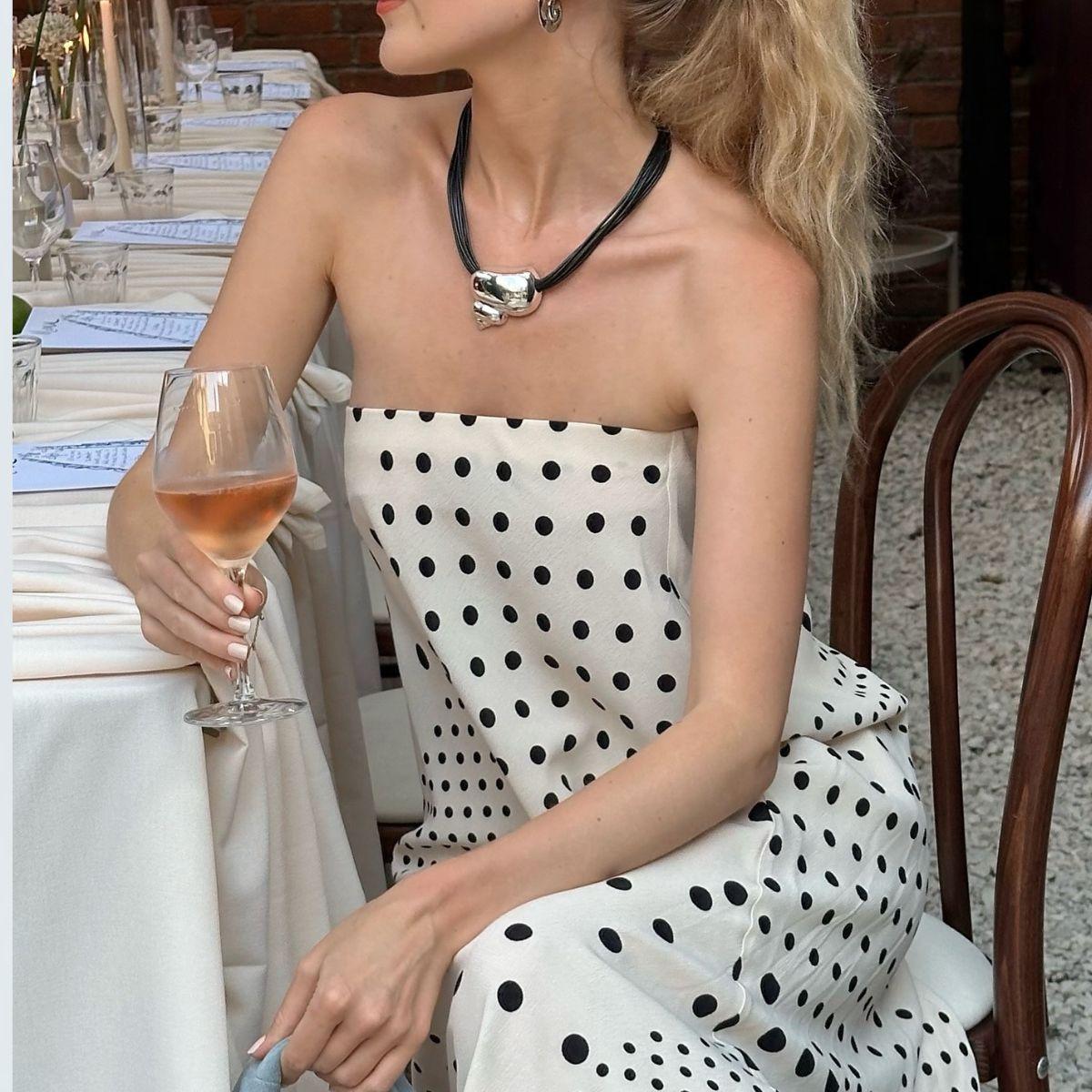
It’s Only April, but the Chicest Summer Dresses Have Already Landed—27 Styles That Won’t Stay in Stock
Companies Mentioned
Why It Matters
These releases illustrate how retailers are leveraging sustainable fabrics and limited drops to drive urgency and capture summer spending, a critical revenue period for the apparel sector. The trend underscores shifting consumer demand toward versatile, eco‑friendly styles, pressuring supply chains to balance speed with responsible sourcing.
Key Takeaways
- •Linen and cotton dominate 2026 summer dress palette.
- •Fast‑fashion giants ZARA and H&M launch limited‑run styles.
- •Mid‑range brands Reformation and Dôen emphasize sustainable fabrics.
- •Trendy prints like polka‑dots and broderie gain traction.
- •Quick sell‑through expected; stock likely to deplete fast.
Pulse Analysis
Summer dress sales have become a bellwether for the broader apparel market, as shoppers gravitate toward breathable fabrics that can transition from office to weekend. Brands ranging from high‑street powerhouses to boutique‑level designers are betting on linen, cotton‑blend, and organic materials to meet a growing appetite for sustainability without sacrificing style. By curating collections that blend timeless cuts with on‑trend details—such as polka‑dots, broderie, and tie‑waist accents—retailers tap into a consumer mindset that values both comfort and visual appeal.
The current wave of limited‑run releases reflects a strategic shift toward scarcity‑driven marketing. Fast‑fashion retailers like Zara and H&M are issuing smaller batches, a tactic traditionally reserved for luxury houses, to create urgency and reduce excess inventory. Mid‑range labels such as Reformation and Dôen double‑down on eco‑friendly sourcing, positioning themselves as responsible alternatives while still delivering runway‑inspired looks. This blend of rapid turnover and sustainable positioning forces supply chains to become more agile, balancing quick production cycles with transparent sourcing practices.
For investors and industry analysts, the rapid sell‑through of these 27 dresses signals a robust summer spending cycle and validates the efficacy of limited‑edition drops in driving top‑line growth. Companies that can synchronize design, production, and digital promotion will likely capture a larger share of the seasonal spend. As the market leans further into eco‑conscious fabrics and scarcity tactics, retailers that master this balance will set the benchmark for profitability and brand loyalty in the 2026 summer apparel landscape.
It’s Only April, but the Chicest Summer Dresses Have Already Landed—27 Styles That Won’t Stay in Stock
Comments
Want to join the conversation?
Loading comments...