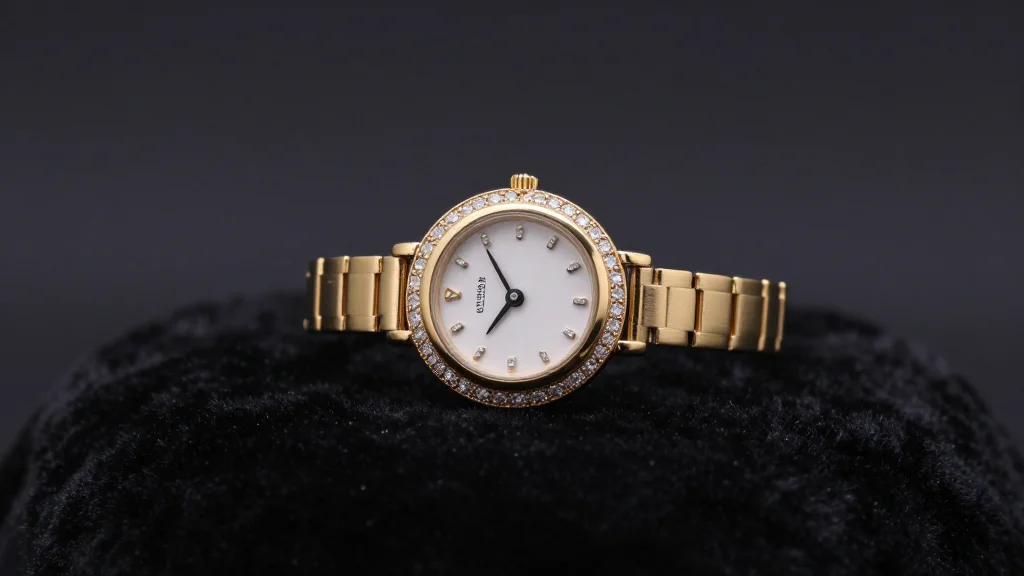
It’s the Hour of the Jewellery Watch
Why It Matters
Jewellery watches blur the line between horology and high‑end jewellery, opening a lucrative niche for luxury brands and vintage dealers. Their popularity drives higher margins and reinforces accessories as key personal‑branding tools for affluent consumers.
Key Takeaways
- •Celebrities showcase vintage diamond watches at Oscars, boosting visibility.
- •Vintage 60s‑70s jewellery watches see surge in collector demand.
- •Luxury brands launch new bejewelled collections, merging haute‑joaillerie and horology.
- •Designers emphasize watches as everyday fashion statements, not safekeeping pieces.
- •Market growth creates higher margins for jewellers and vintage watch dealers.
Pulse Analysis
Red‑carpet moments have turned jewellery watches into cultural touchstones, highlighting a broader evolution in luxury consumption. When Nicole Kidman wore a 1966 Omega Saphette and Michael B. Jordan sported a Piaget Limelight, they weren’t merely accessorising; they were signaling a shift where the aesthetic value of a watch outweighs its functional purpose. This mirrors a historical pattern dating back to the 1960s and 70s, when avant‑garde designers experimented with integrating precious stones and unconventional materials, laying the groundwork for today’s high‑visibility trend.
The market response has been swift. Vintage dealers report a pronounced uptick in inquiries for mid‑century jewellery watches, while major maisons are expanding their portfolios with new bejewelled lines. Graff’s reinterpretation of its Tilda’s Bow collection, Piaget’s Swinging Sautoir series, and Bvlgari’s Serpenti Aeterna bangle illustrate how traditional watchmakers are leveraging jewellery expertise to command premium price points. Consumers, especially younger high‑net‑worth buyers, view these pieces as everyday statements of wealth and taste, driving sales beyond the occasional special‑occasion purchase and boosting overall brand margins.
Looking ahead, the jewellery watch segment is poised for sustained growth, but it also presents challenges. Supply constraints for rare gemstones and the need for specialised craftsmanship could limit scalability, prompting brands to explore synthetic alternatives or limited‑edition drops. Moreover, the blurring of watch and jewellery categories may invite regulatory scrutiny around hallmarking and authenticity certifications. Nonetheless, as personal branding intensifies in a hyper‑connected world, the demand for pieces that fuse artistry with horology is likely to remain a powerful engine for luxury revenue streams.
It’s the hour of the jewellery watch
Comments
Want to join the conversation?
Loading comments...