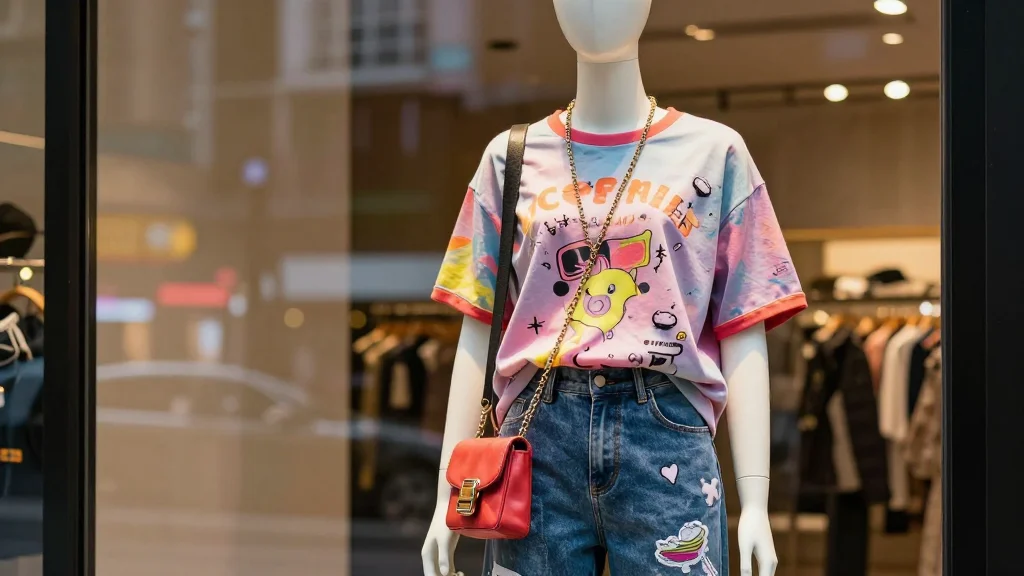
Japan’s Wego Launches Harajuku‑Style Store in Taipei, Aims for 20 Outlets by 2030

Companies Mentioned
Why It Matters
Wego’s expansion into Taiwan illustrates the growing appetite for niche, culturally specific fashion among Asian consumers, challenging the dominance of mass‑market players like Uniqlo. By embedding Harajuku aesthetics into a local context, the brand not only diversifies Taiwan’s retail mix but also deepens cultural exchange between Japan and Taiwan, potentially influencing design trends across the region. The rollout plan signals confidence in sustained demand for experimental streetwear, a segment that could reshape how retailers approach experiential shopping and community engagement. Moreover, the move highlights the strategic importance of location‑specific retail experiences in an era where online shopping erodes foot traffic. If Wego can translate its Japanese street‑culture DNA into a compelling in‑store narrative, it may set a template for other niche brands seeking to break into new markets through curated, culture‑centric spaces.
Key Takeaways
- •Wego’s first Taiwan store opens in May at Eslite Spectrum Wuchang, Ximending.
- •The brand targets 20 Taiwanese locations by 2030, including a central Taipei flagship.
- •Wego differentiates from Uniqlo and Gu by emphasizing Harajuku‑style experimentation.
- •Stores will feature interactive styling zones and community‑focused events.
- •Expansion leverages strong social‑media visibility and cross‑cultural fashion exchange.
Pulse Analysis
Wego’s foray into Taipei arrives at a crossroads where streetwear is transitioning from subcultural niche to mainstream commodity. Historically, Japanese fashion houses have leveraged cultural capital to export trends—think Comme des Garçons in the 1990s or A Bathing Ape in the 2000s. Wego’s strategy mirrors that playbook but with a modern twist: it pairs the heritage of Harajuku’s DIY ethos with a hyper‑localized retail experience. By situating its debut in Ximending, a district synonymous with youth rebellion, the brand taps into an existing ecosystem of trendsetters, reducing the friction of brand adoption.
The aggressive rollout to 20 stores by 2030 suggests confidence in a long‑term growth trajectory, but it also raises questions about scalability. Harajuku fashion thrives on limited‑edition drops and a sense of scarcity; replicating that allure across multiple locations could dilute the brand’s mystique. Success will hinge on Wego’s ability to balance exclusivity with accessibility, perhaps by curating city‑specific collaborations that keep each store fresh. If executed well, Wego could catalyze a broader shift in Taiwan’s fashion retail, prompting incumbents to invest in experiential concepts and niche cultural narratives, ultimately reshaping consumer expectations for what a clothing store can be.
From an investor perspective, Wego’s expansion underscores the viability of cross‑border fashion ventures that prioritize cultural authenticity over pure price competition. The brand’s focus on community‑driven spaces may also attract partnership opportunities with local designers, event organizers, and digital platforms, creating an ecosystem that extends beyond brick‑and‑mortar sales. As Taiwanese consumers continue to seek distinctive self‑expression, Wego’s Harajuku‑inspired model could become a blueprint for other Japanese labels eyeing Southeast Asian markets.
Japan’s Wego Launches Harajuku‑Style Store in Taipei, Aims for 20 Outlets by 2030
Comments
Want to join the conversation?
Loading comments...