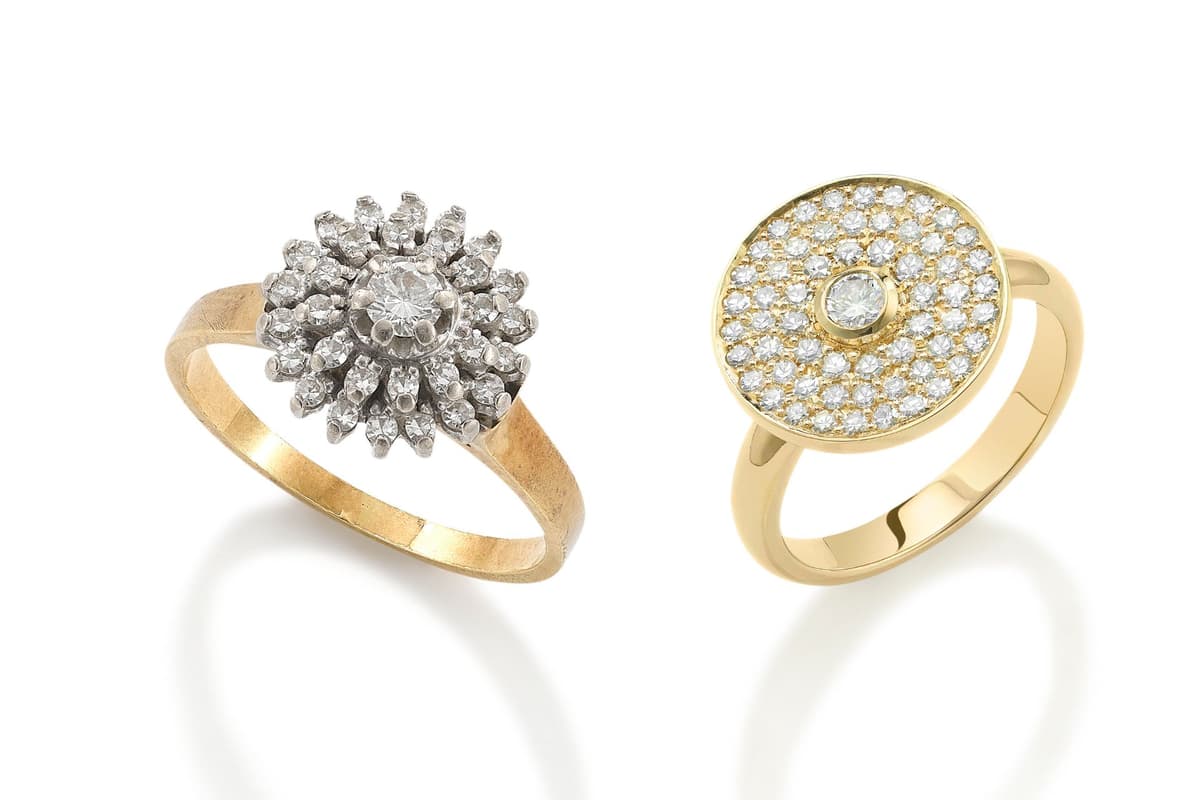
Jewellery Restoration Is In – Here’s How I Put The Sparkle Back Into My Ring
Companies Mentioned
Why It Matters
Jewellery restoration merges sustainability with high‑margin personalization, giving luxury brands a profitable path in the circular economy while satisfying consumers’ demand for eco‑friendly, bespoke pieces.
Key Takeaways
- •Heirloom jewellery searches up 45% in 2025, led by Gen Z
- •Bespoke redesign outsold ready‑made inventory by 340% in 2024
- •Robinson Pelham reuses original stones, offsetting gold costs for clients
- •Self‑gifting drives 42% of women’s luxury jewellery purchases in 2026
Pulse Analysis
The resurgence of jewellery restoration is more than a nostalgic hobby; it signals a structural shift toward a circular luxury market. Consumers increasingly view heirloom pieces as raw material for new, personalized creations rather than relics to be retired. Data from Pinterest and Tuple Strategy confirms that searches for "heirloom jewellery" have surged 45% and that bespoke redesigns now dominate sales, outpacing ready‑made collections by a staggering 340% in 2024. This trend is anchored by younger buyers who prioritize sustainability, transparency, and the emotional narrative embedded in family‑owned gems.
At the forefront of this movement, London‑based Robinson Pelham demonstrates how a meticulous restoration process can generate both ecological and economic value. The studio begins by authenticating hallmarks to protect intrinsic brand value, then deconstructs the piece, salvaging every viable diamond and gold component. By reintegrating original stones into contemporary designs—such as the brand’s signature Spinner or Bubble rings—the firm minimizes waste and offers clients credit for excess gold, effectively lowering the price barrier for high‑end customization. This model not only reduces the carbon footprint associated with mining new materials but also creates a premium service line that commands higher margins than traditional retail.
Beyond sustainability, the self‑gifting phenomenon is reshaping buying behavior, especially among financially independent women. A Business of Fashion survey shows 42% of women increased personal jewellery purchases in 2026, driven by empowerment and a desire for self‑expression. Brands that combine eco‑conscious practices with flexible, gender‑neutral design options are poised to capture this expanding segment. As the luxury sector continues to integrate circular principles, jewellery restoration will likely evolve from niche service to mainstream growth engine, reinforcing brand relevance and profitability in an increasingly values‑driven market.
Jewellery Restoration Is In – Here’s How I Put The Sparkle Back Into My Ring
Comments
Want to join the conversation?
Loading comments...