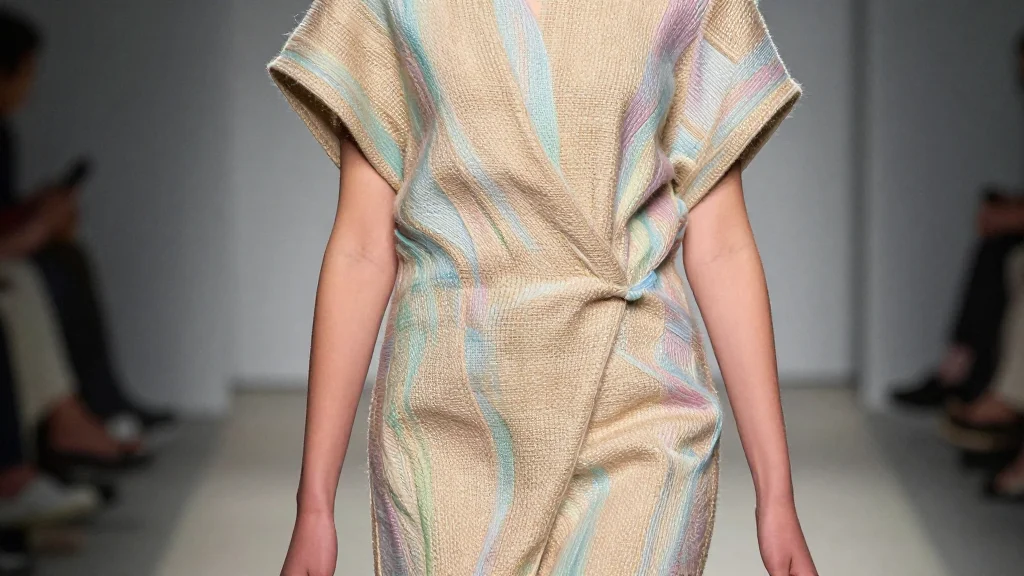
Jiwya Unveils Plant‑Based 'Lata' Collection at Paris Fashion Week AW 2026

Why It Matters
Jiwya’s high‑visibility launch at Paris Fashion Week demonstrates that plant‑based, zero‑waste collections can compete on the world’s most prestigious runway, challenging the dominance of traditional, resource‑intensive luxury houses. The brand’s use of indigenous Indian handloom techniques and natural dyes offers a replicable blueprint for integrating heritage craftsmanship with modern sustainability standards, potentially reshaping sourcing strategies across the industry. Moreover, the collection’s emphasis on water‑saving practices and biodegradable materials aligns with tightening environmental regulations in key markets such as the EU and the United States. As consumers increasingly demand transparency, Jiwya’s fully traceable supply chain could become a new benchmark for accountability, prompting larger brands to invest in similar ecosystems or risk losing market share to agile, purpose‑driven newcomers.
Key Takeaways
- •Jiwya presented a 16‑piece 'Lata' collection at Paris Fashion Week AW 2026.
- •All garments are hand‑loomed, zero‑waste, and use plant‑derived dyes.
- •The collection features jute embroidery, hemp pieces, and a 140‑gram Goonj Gown.
- •Jiwya collaborates with over 150 artisan clusters across India.
- •Founder Aishwarya Lahariya emphasizes water‑saving unbleached tones.
Pulse Analysis
Jiwya’s runway debut marks a turning point for eco‑luxury, proving that sustainability can be a central design narrative rather than a peripheral add‑on. Historically, high fashion has relied on exotic silks, animal leathers and chemically intensive processes. By substituting these with hemp, jute and plant‑based pigments, Jiwya not only reduces the carbon and water footprints of its garments but also redefines luxury aesthetics—shifting the focus from opulence to authenticity and ecological stewardship.
The brand’s strategy leverages India’s vast handloom heritage, turning a perceived cost disadvantage into a competitive advantage. Artisanal production, while labor‑intensive, offers a story that resonates with affluent consumers seeking provenance. As major houses grapple with supply‑chain disruptions and regulatory pressure, Jiwya’s model—rooted in a soil‑to‑soil ecosystem—offers a scalable alternative that could be adopted through strategic partnerships or joint ventures. The key challenge will be maintaining price parity while scaling up, a hurdle that will test the viability of zero‑waste luxury at mass‑market volumes.
Looking ahead, Jiwya’s pop‑up installations and transparent traceability tools could set a new standard for consumer engagement. If the brand can translate runway buzz into measurable sales and inspire replication among peers, the fashion industry may witness a broader shift toward regenerative practices, redefining what constitutes high‑end apparel in the next decade.
Jiwya Unveils Plant‑Based 'Lata' Collection at Paris Fashion Week AW 2026
Comments
Want to join the conversation?
Loading comments...