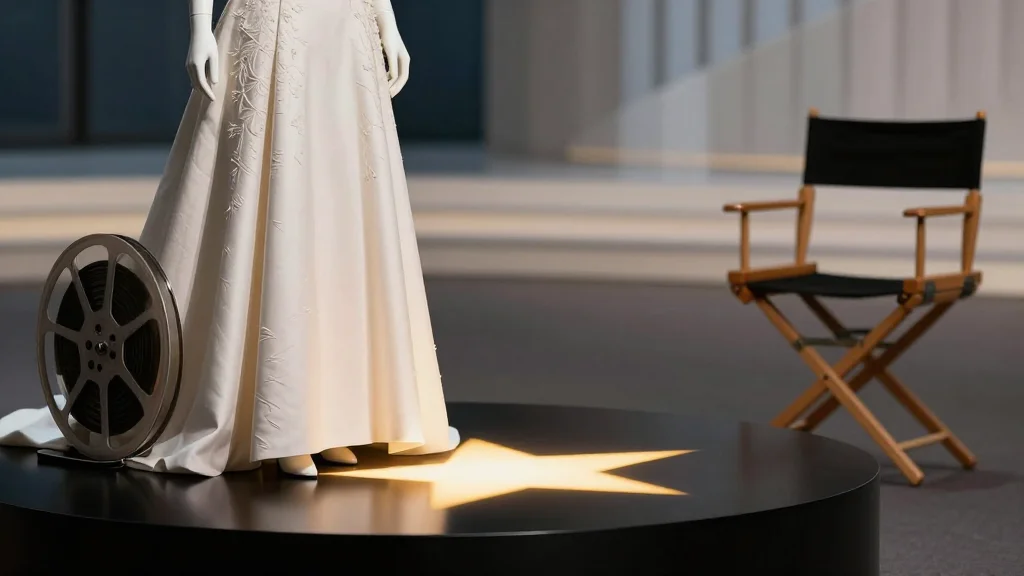
Jonathan Anderson Unveils Dior Cruise 2027 in LA, Merging Hollywood Glamour with Couture

Companies Mentioned
Why It Matters
Anderson’s LA debut marks a decisive shift in how luxury fashion houses view cinema not just as inspiration but as a revenue‑generating partner. By embedding film collaborations into the Dior calendar, the brand may unlock new licensing deals, broaden its storytelling platform, and attract a younger, media‑savvy audience. At the same time, the mixed critical reception highlights a tension between spectacle and design depth—a balance that will shape Dior’s relevance in an era where fashion experiences are increasingly multimedia. If successful, Dior’s model could inspire other maisons to pursue similar cross‑industry alliances, potentially reshaping the luxury market’s growth drivers from pure apparel sales to integrated entertainment ecosystems.
Key Takeaways
- •Jonathan Anderson presented Dior Cruise 2027 at LACMA on May 13, 2026.
- •The runway featured 900 guests, vintage Cadillacs, and a concrete‑capped gallery.
- •Anderson announced plans for costume work on Luca Guadagnino’s *Artificial* and two other films.
- •Critics like Cathy Horyn called the show a “drive‑through version of L.A. culture.”
- •Anderson emphasized a new business model linking fashion and cinema.
Pulse Analysis
Anderson’s decision to stage the Cruise collection in Los Angeles is more than a geographic novelty; it is a strategic re‑orientation of Dior’s brand narrative toward the entertainment economy. Historically, Dior leveraged Hollywood to cement its post‑war glamour, but the current media landscape—dominated by streaming, cross‑platform storytelling, and influencer culture—demands a deeper integration. By positioning the runway as a film set and pledging future costume collaborations, Dior is effectively turning runway footage into content that can be monetized across multiple channels, from OTT series to branded experiences.
The risk, however, lies in diluting the design DNA that has kept Dior at the apex of luxury. Critics argue that the emphasis on spectacle may erode the house’s sartorial credibility, a concern echoed by Horyn’s review. Anderson must therefore ensure that the cinematic collaborations do not become mere marketing stunts but rather enhance the craftsmanship and narrative coherence of the collections. If he can align the visual storytelling of film with the technical rigor of couture, Dior could set a new benchmark for luxury houses seeking relevance in a content‑first world.
Looking ahead, the success of Dior’s film ventures will likely be measured by both box‑office tie‑ins and the ability to translate cinematic hype into sustained sales growth. Competitors such as Chanel and Gucci have already experimented with film‑fashion crossovers, but Dior’s heritage and Anderson’s bold vision give it a unique platform to lead the convergence. The next few months—especially the rollout of the promised movie costumes—will reveal whether this Hollywood‑infused strategy is a fleeting spectacle or a durable shift in luxury branding.
Jonathan Anderson Unveils Dior Cruise 2027 in LA, Merging Hollywood Glamour with Couture
Comments
Want to join the conversation?
Loading comments...