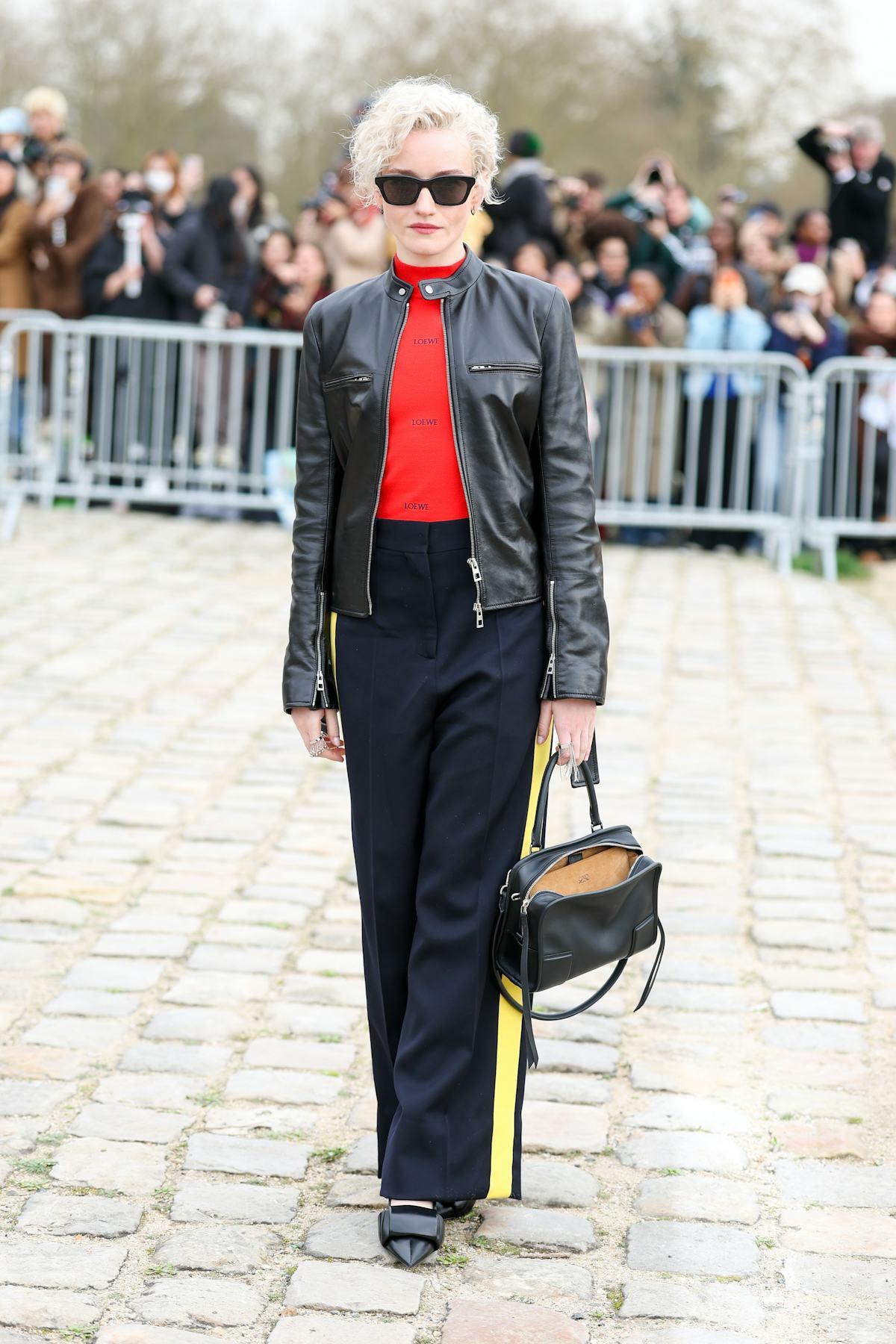
Julia Garner’s Wide-Open Bag Is Practically a Pickpocket Invitation
•March 6, 2026
0
Why It Matters
The open‑bag aesthetic challenges traditional notions of luxury privacy, potentially reshaping accessory design and retail strategies. Its adoption could drive new product lines and influence consumer expectations for transparency in fashion.
Key Takeaways
- •Garner showcased Loewe's open‑top mini Amazona bag.
- •Open bags dubbed “pickpocket” trend at Spring 2026 shows.
- •Designers Chanel, Dior, Fendi also featured undone bags.
- •Trend blurs line between fashion statement and security concern.
- •Potential consumer adoption hinges on practicality and novelty.
Pulse Analysis
The "pickpocket" bag phenomenon, highlighted by Julia Garner’s open‑top mini Amazona at Paris Fashion Week, reflects a growing fascination with vulnerability as a visual cue. Historically, luxury handbags emphasized sealed elegance, but the 2020s have seen designers deliberately expose interiors to create intrigue. By reissuing the 1970s Amazona silhouette with a loose‑hang handle, Loewe taps into nostalgia while amplifying the narrative of transparency, a move echoed by Chanel’s smashed flaps and Dior’s Cigale, signaling a coordinated runway language.
From a business perspective, this trend forces brands to reconsider the balance between aesthetic daring and functional security. Open designs invite consumer interaction but also raise concerns about theft and practicality, prompting retailers to innovate with discreet protective features or limited‑edition runs that capitalize on the novelty factor. Marketing teams can leverage the shock value to generate social media buzz, positioning the bag as a statement piece that blurs the line between fashion and performance art, thereby attracting a younger, experience‑driven demographic.
Looking ahead, the durability of the pickpocket aesthetic will depend on its translation from catwalk to street. If consumers embrace the exposed‑interior look, we may see a new sub‑category of luxury accessories that prioritize storytelling over concealment, prompting supply chains to adapt with modular interiors and customizable inserts. Conversely, practical pushback could relegate the style to seasonal novelty. Either outcome offers valuable data for brands assessing risk‑reward calculations in product development and for investors tracking the next wave of fashion innovation.
Julia Garner’s Wide-Open Bag Is Practically a Pickpocket Invitation
0
Comments
Want to join the conversation?
Loading comments...