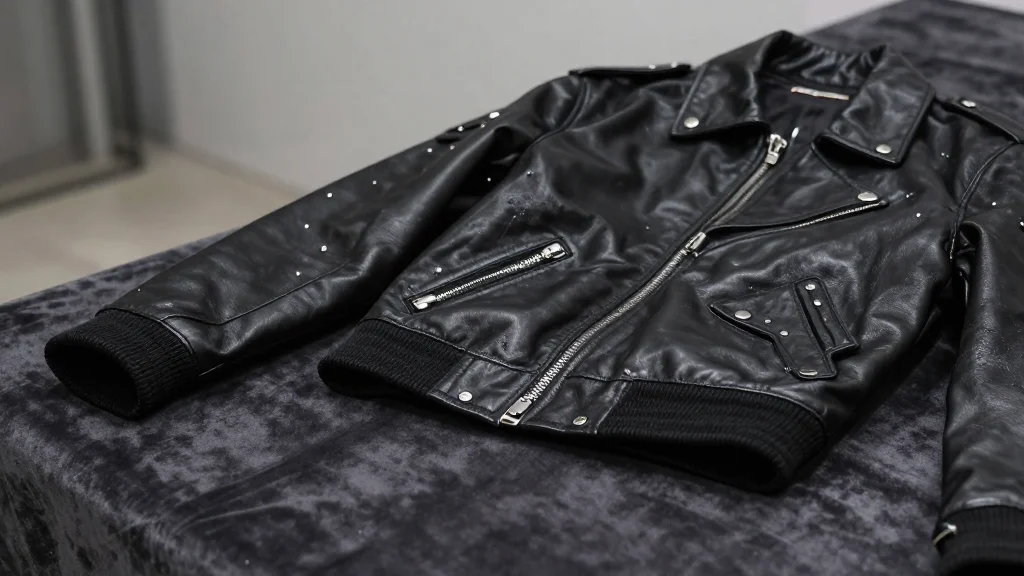
Jun Takahashi Unveils ‘Chaos and Balance’ Philosophy in Hong Kong Store Interview

Why It Matters
Jun Takahashi’s articulation of a punk‑derived philosophy provides a rare, articulate framework for understanding the ongoing convergence of streetwear and high fashion. By positioning chaos and balance as guiding principles, he offers designers a narrative tool to justify experimental silhouettes, unconventional materials, and immersive retail experiences. This perspective also resonates with younger consumers who seek brands that embody both rebellion and refinement. The Hong Kong boutique launch underscores the growing importance of experiential retail in luxury fashion. As brands compete for attention in saturated markets, Takahashi’s blend of live music, hands‑on workshops, and curated interiors could become a template for future flagship stores, influencing how the industry balances heritage storytelling with interactive consumer engagement.
Key Takeaways
- •Jun Takahashi opened Undercover’s Repulse Bay boutique in Hong Kong, pairing a doll‑making session with a live rock performance.
- •He described punk as a philosophy of “chaos and balance,” shaping his design ethos.
- •Undercover’s origins trace back to a 1993 Harajuku boutique co‑founded with Nigo, a cornerstone of Japanese streetwear.
- •The interview highlights the brand’s role in merging streetwear aesthetics with couture craftsmanship.
- •Takahashi hinted at future collaborations and sustainable material research, though specifics remain undisclosed.
Pulse Analysis
Takahashi’s interview arrives at a pivotal moment when Japanese fashion houses are redefining luxury on a global stage. Historically, brands like Comme des Garçons and Yohji Yamamoto introduced avant‑garde concepts that challenged Western norms. Undercover builds on that legacy but adds a distinctly punk‑infused narrative that resonates with today’s cultural climate, where authenticity and rebellion are marketable assets. By framing his work as a balance between disorder and harmony, Takahashi provides a strategic lens for other designers to justify risk‑taking without alienating mainstream consumers.
From a commercial standpoint, the Repulse Bay store functions as a live laboratory for experiential retail—a trend accelerated by post‑pandemic consumer expectations. The integration of music, craft, and fashion not only deepens brand storytelling but also creates multiple revenue streams through limited‑edition merchandise and event ticketing. Competitors may adopt similar models, but Takahashi’s credibility as a cultural icon gives Undercover a head start in translating artistic vision into profitable experiences.
Looking forward, the brand’s hinted focus on sustainable materials could align it with the growing eco‑conscious segment of luxury shoppers. If Undercover successfully marries its punk ethos with responsible production, it could set a new benchmark for how rebellious aesthetics coexist with environmental stewardship, potentially reshaping consumer expectations across the high‑end streetwear market.
Jun Takahashi Unveils ‘Chaos and Balance’ Philosophy in Hong Kong Store Interview
Comments
Want to join the conversation?
Loading comments...