Kazakhstan Fashion Week 2026: Rosa Rymbaeva Performs, Tursen Alaguzov Models

Why It Matters
Kazakhstan Fashion Week’s 2026 edition illustrates how regional fashion hubs can leverage local cultural icons to attract global attention. By pairing a celebrated singer’s milestone with a businessman‑philanthropist’s runway debut, the event highlighted the growing symbiosis between entertainment, commerce and design in Central Asia. This convergence not only raises the profile of Kazakh designers but also signals to multinational brands that the market is ripe for investment and collaboration. The emphasis on identity, freedom and personal choice reflects a broader shift in the fashion industry toward storytelling that resonates with socially conscious consumers. As designers experiment with masks, air‑quality themes, and cross‑cultural motifs, they position Kazakhstan as a laboratory for innovative, issue‑driven fashion that can influence trends far beyond the region.
Key Takeaways
- •Rosa Rymbaeva performed at KFW 2026, marking her 50‑year stage career.
- •Businessman Tursen Alaguzov walked the runway in a gold‑embroidered jacket.
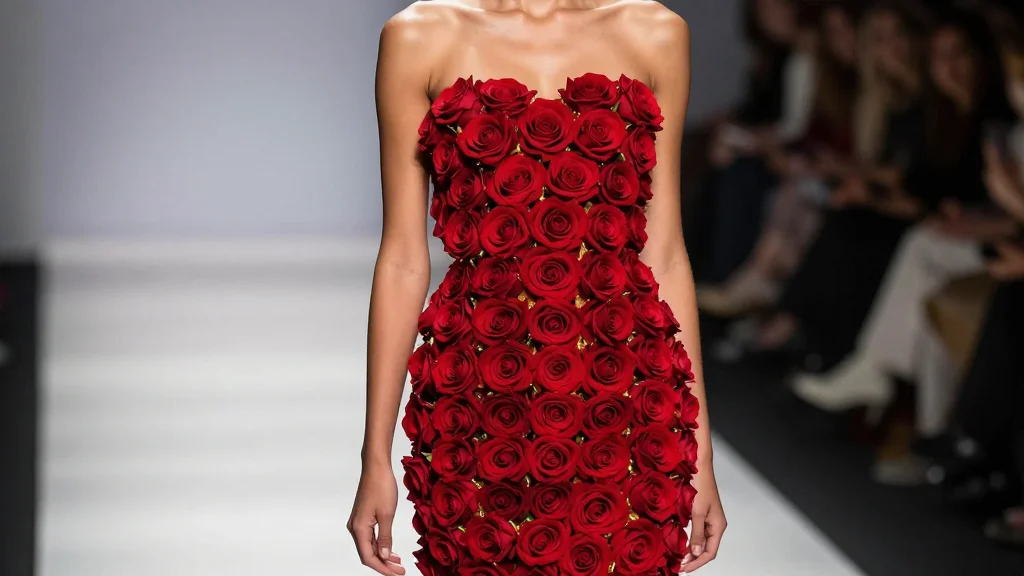
- •Designer Aida Kaumenova unveiled the "Rosa in Roses" collection with tulip motifs.
- •Alexey Zhen’s mask‑focused line highlighted air‑quality concerns in Almaty.
- •Organizers emphasized themes of identity, freedom and personal choice for the 38th season.
Pulse Analysis
Kazakhstan Fashion Week’s strategic use of celebrity and patronage marks a turning point for Central Asian fashion ecosystems. Historically, the region’s fashion weeks have been viewed as peripheral to the global calendar, primarily showcasing traditional garments. This year’s programming, however, deliberately fused high‑visibility personalities with avant‑garde design, creating a narrative that resonates with both local audiences and international media. The result is a dual‑track approach: cultural legitimacy through heritage references and commercial relevance via celebrity endorsement.
From a market perspective, Alaguzov’s involvement signals a new model of sponsorship where affluent individuals become active participants rather than silent backers. This mirrors trends in Western fashion weeks where tech CEOs and venture capitalists walk the runway, blurring the lines between creator and consumer. For brands scouting emerging markets, KFW offers a low‑cost entry point to test collections, gauge consumer sentiment, and forge partnerships with designers who are already attuned to global issues such as sustainability and social identity.
Looking ahead, the integration of digital streaming and mentorship programs could accelerate KFW’s ascent. If the next edition expands its online reach, designers like Kaumenova and Zhen will gain exposure to buyers in Europe and North America, potentially unlocking export opportunities. Moreover, the focus on narrative‑driven collections—air‑quality masks, Chinese motifs, hussar references—positions Kazakh fashion as a conduit for cultural storytelling, a commodity increasingly prized by luxury houses seeking authentic, region‑specific narratives. In sum, KFW 2026 not only celebrated individual milestones but also laid the groundwork for Kazakhstan to become a meaningful node in the global fashion network.
Kazakhstan Fashion Week 2026: Rosa Rymbaeva Performs, Tursen Alaguzov Models
Comments
Want to join the conversation?
Loading comments...