K‑pop Idols Propel Acubi ‘Quiet Cool’ to Global Runway

Companies Mentioned
Why It Matters
Acubi’s rapid diffusion illustrates how music culture can reshape global fashion cycles, bypassing traditional gatekeepers like Paris and Milan. By leveraging the massive reach of K‑pop and short‑form video, the aesthetic demonstrates a new model where fan communities co‑create style narratives in real time. This democratization pressures legacy brands to adapt faster or risk losing relevance among Gen Z shoppers. Moreover, the shift toward muted, modular clothing reflects changing consumer priorities: sustainability, versatility, and comfort. As retailers respond, supply chains may pivot toward lower‑cost, high‑volume production of basics, potentially reshaping the economics of streetwear and influencing pricing strategies across the industry.
Key Takeaways
- •Blackpink, NewJeans and Aespa showcase Acubi on stage and at fashion weeks, sparking global interest.
- •#Acubi generates ~65,000 TikTok posts and ~87,000 Instagram posts daily.
- •Trend forecasters cite Acubi as a “quiet cool” alternative to maximalist Y2K styles.
- •Pinterest curates essential Acubi pieces, emphasizing affordability and mix‑and‑match potential.
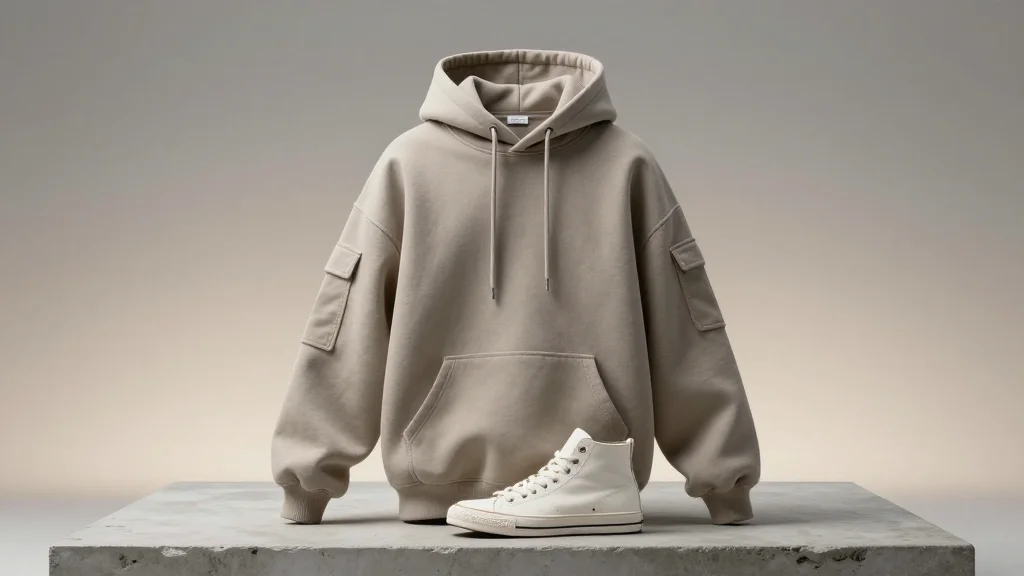
- •Retailers are racing to stock cargo pants, combat boots and oversized basics to meet demand.
Pulse Analysis
The Acubi phenomenon underscores a paradigm shift in how fashion trends propagate. Historically, runway shows in Paris or Milan set the agenda; today, a K‑pop performance can trigger a viral cascade that eclipses traditional media. This democratization reduces the latency between design and consumer adoption, compressing the fashion calendar and forcing brands to adopt agile production models.
From a market perspective, Acubi’s emphasis on neutral tones and modular layering aligns with the sustainability narrative gaining traction among younger shoppers. Brands that can deliver high‑quality basics at scale stand to capture a sizable share of the $300‑plus billion global streetwear market. Conversely, luxury houses may need to reinterpret the aesthetic to justify premium pricing, potentially leading to a bifurcated market where the same silhouette exists at both fast‑fashion and high‑end price points.
Looking ahead, the durability of Acubi will hinge on its ability to evolve beyond the K‑pop halo. If designers can infuse the aesthetic with seasonal innovations—new fabrics, subtle color shifts—while maintaining its core principles, the style could transition from a viral moment to a lasting subculture. For now, the convergence of music, social media and streetwear offers a case study in how cultural capital can be monetized at unprecedented speed.
K‑pop Idols Propel Acubi ‘Quiet Cool’ to Global Runway
Comments
Want to join the conversation?
Loading comments...