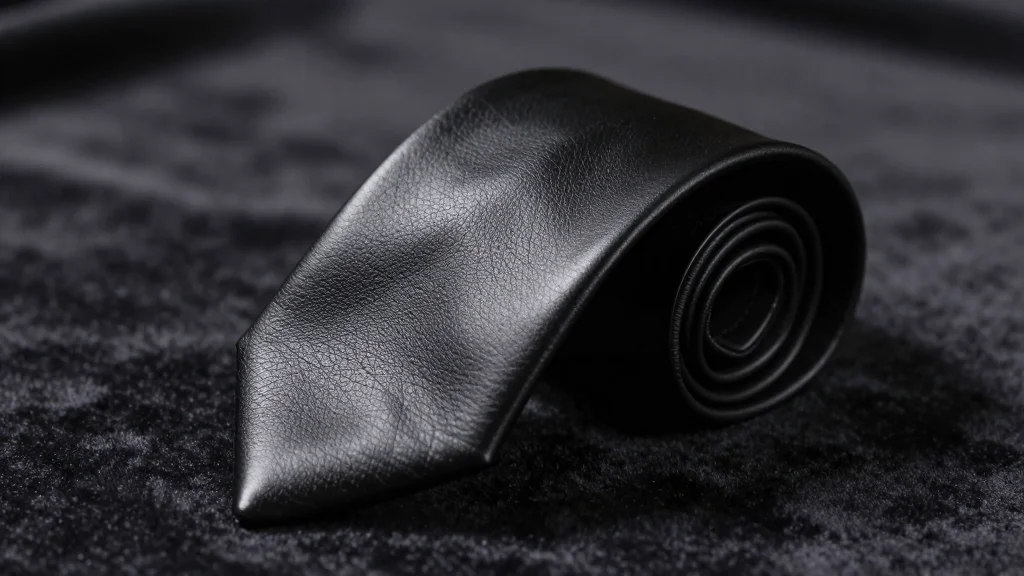
Leather Ties Surge as Power Accessory After Met Gala Spotlight

Companies Mentioned
Why It Matters
The rise of leather ties reflects a broader cultural shift toward gender‑fluid fashion and the desire for accessories that convey confidence without overt branding. By marrying traditional tailoring with unconventional material, the trend challenges long‑standing norms about masculinity and femininity in dress, offering designers a new canvas for creative expression. For retailers, the rapid adoption signals a lucrative niche: high‑margin accessories that can be marketed across gender lines. The trend also pushes the industry toward more sustainable leather sourcing, as consumers increasingly demand ethical production alongside bold aesthetics.
Key Takeaways
- •Nicholas Hoult’s nappa leather tie at the Met Gala ignited the trend
- •Ravi Gupta and Ajay Jay highlighted the tie’s multi‑functional styling
- •Ferragamo, Givenchy and Bottega Veneta featured leather ties on recent runways
- •Retail inquiries for leather ties rose 27% within two weeks of the Met Gala
- •Upcoming Paris and Milan fashion weeks will showcase the accessory further
Pulse Analysis
The leather tie’s ascent is more than a fleeting runway gimmick; it marks a convergence of three market forces: the resurgence of tactile luxury, the erosion of gendered dress codes, and the premium placed on statement accessories that can double as functional pieces. Historically, neckwear has been a male‑dominated domain, but the current wave—propelled by high‑visibility celebrities and reinforced by designers—reframes the tie as a gender‑neutral emblem of confidence.
From a commercial perspective, the accessory offers brands a high‑margin product that can be produced in limited runs, creating scarcity while satisfying the consumer appetite for novelty. The 27% spike in retailer inquiries underscores a willingness to invest in niche items that promise both style capital and resale value. However, the sustainability challenge looms large; as demand grows, so will scrutiny over leather sourcing. Brands that pre‑emptively adopt vegetable‑tanned or lab‑grown alternatives could capture a segment of eco‑conscious buyers and set a new standard for responsible luxury.
Looking ahead, the leather tie could become a barometer for the industry’s broader embrace of hybrid styling—where garments and accessories fluidly cross traditional boundaries. If designers continue to experiment with the tie as a scarf, choker or even a belt, it may evolve into a modular component of a wardrobe, reinforcing the shift toward versatile, statement‑driven fashion that resonates across gender and cultural lines.
Leather Ties Surge as Power Accessory After Met Gala Spotlight
Comments
Want to join the conversation?
Loading comments...