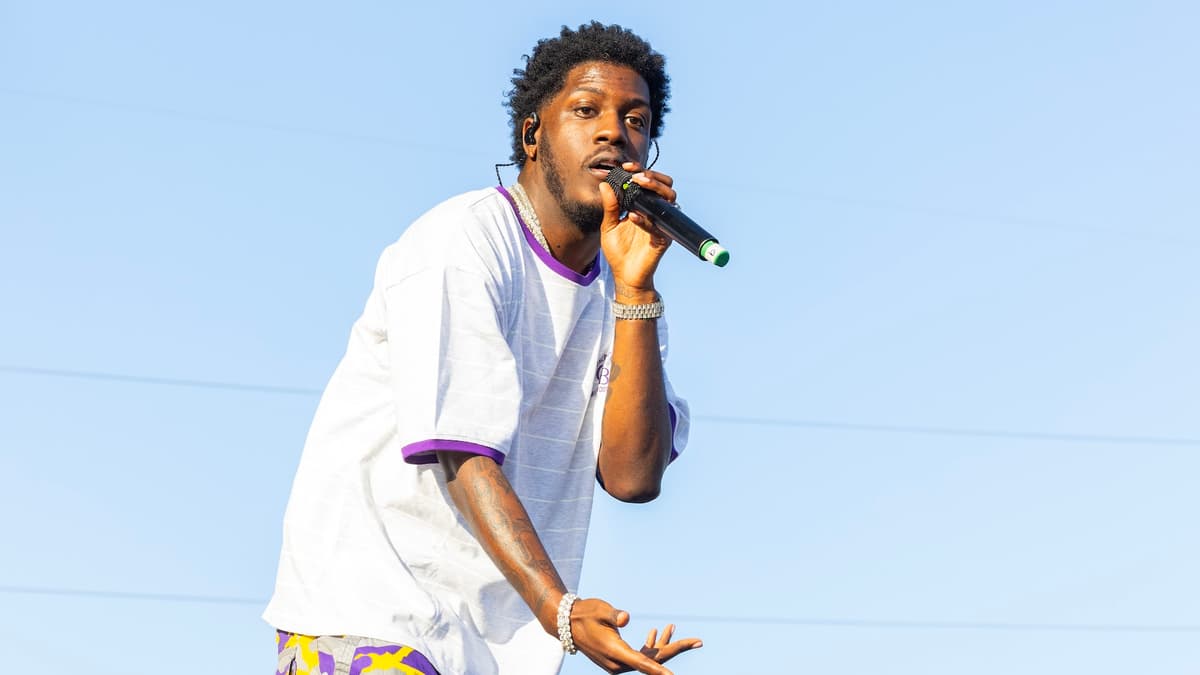
Lil Yachty Thinks Wearing One Brand Only Is a 'Cheat Code': 'A Lot of Rappers Cannot Dress'
•March 5, 2026
0
Why It Matters
A single‑brand strategy amplifies an artist’s visual identity, influencing streetwear sales and brand‑artist collaborations across the music and fashion industries.
Key Takeaways
- •Lil Yachty adopts one‑brand wardrobe philosophy
- •Consistent branding simplifies personal style narrative
- •Fans associate artist identity with specific label
- •Single‑brand loyalty drives higher merchandise sales
- •Hip‑hop culture increasingly values curated aesthetics
Pulse Analysis
The concept of a "cheat code" wardrobe taps into a broader shift where musicians treat fashion as an extension of their brand narrative. By committing to one label, Lil Yachty reduces decision fatigue and creates a instantly recognizable silhouette that fans can emulate. This approach mirrors the success of legacy partnerships—think Kanye West with Adidas or Travis Scott with Nike—where a single brand becomes synonymous with an artist’s image, boosting both streaming numbers and apparel revenue.
From a market perspective, exclusive brand alignment offers tangible benefits for both parties. Artists gain a reliable supply chain, early access to drops, and a share of the hype surrounding limited releases. Brands, meanwhile, secure authentic cultural ambassadors who can translate street credibility into measurable sales spikes. Lil Yachty’s endorsement of a single brand signals to other emerging rappers that deep, focused collaborations may outweigh the scattergun approach of wearing multiple labels, especially in a crowded streetwear ecosystem.
Consumers are responding to this streamlined aesthetic by seeking out the exact pieces their favorite artists wear, fueling a surge in resale values and secondary market activity. Retailers are therefore incentivized to curate capsule collections that reflect an artist’s personal style, creating a feedback loop that reinforces brand loyalty. As the line between music and fashion continues to blur, the "cheat code" of a one‑brand wardrobe could become a standard playbook for artists aiming to cement their cultural footprint while driving profitable partnerships.
Lil Yachty Thinks Wearing One Brand Only Is a 'Cheat Code': 'A Lot of Rappers Cannot Dress'
0
Comments
Want to join the conversation?
Loading comments...