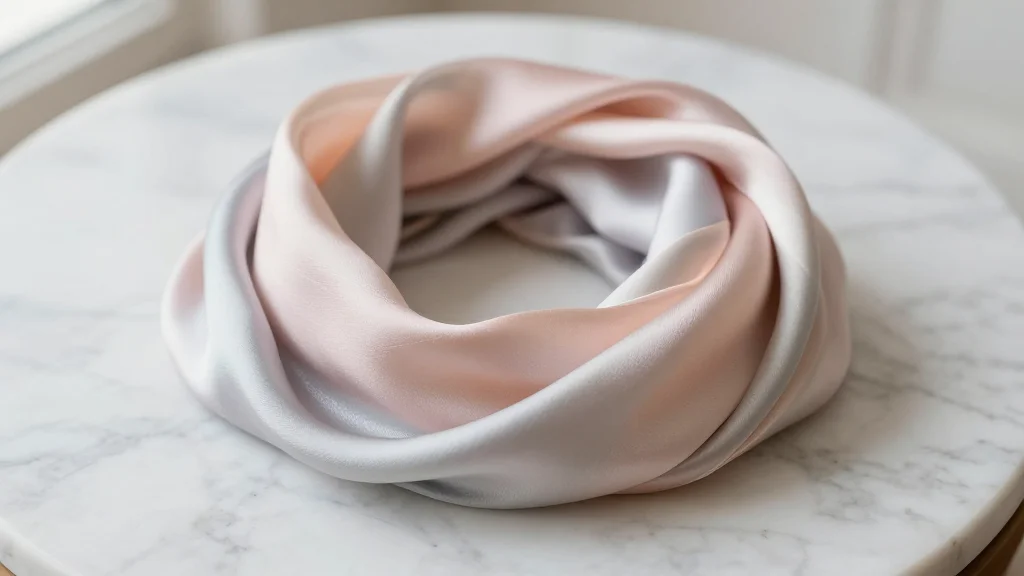
Little Silk Scarves Dominate Spring 2026 Runways, Driving a New Accessory Boom

Why It Matters
The little silk scarf’s rapid ascent signals a renewed appetite for accessories that bridge luxury and practicality. By offering a single piece that can function as a headscarf, belt, top or decorative accent, the trend aligns with consumers’ desire for sustainable, high‑value wardrobe staples that reduce the need for multiple single‑purpose items. This shift could reshape inventory strategies for both high‑end designers and mass‑market retailers, prompting a reallocation of resources toward versatile, timeless pieces. Moreover, the trend underscores the power of runway influence in the digital age. Within weeks of the spring 2026 shows, social media amplification and influencer adoption translated runway hype into measurable sales spikes. Brands that can quickly translate catwalk concepts into accessible retail offerings stand to capture a larger share of the growing accessories market, while those that lag may miss a pivotal consumer moment.
Key Takeaways
- •Maria McManus, Maison Magdalena, Toteme and Dries Van Noten featured narrow silk scarves as focal points in spring 2026 runway shows.
- •Retailers reported a 27 % week‑over‑week increase in silk‑scarf inquiries following the runway exposure.
- •Yong Wang, co‑founder of Lost Pattern, highlighted the scarf’s versatility across age, gender and styling contexts.
- •The global silk accessories market, valued at $1.2 billion in 2025, could see double‑digit growth as the trend expands.
- •Sustainability narratives are driving brands to use eco‑friendly dyes and recycled silk blends for the scarves.
Pulse Analysis
The little silk scarf’s breakout illustrates how a single, well‑executed accessory can become a catalyst for broader market realignment. Historically, accessories like the belt or the statement necklace have risen and fallen with runway cycles, but the scarf’s inherent adaptability gives it a durability that many trends lack. Its ability to serve multiple functions reduces the perceived risk for consumers, who can justify a higher price point with the promise of extended wear across seasons and occasions. This functional elasticity is especially valuable in a post‑pandemic retail environment where shoppers prioritize longevity and value.
From a competitive standpoint, the trend creates a new battleground for luxury houses versus fast‑fashion players. Luxury brands leverage heritage craftsmanship and premium silk to command higher margins, while fast‑fashion chains can capitalize on the visual appeal by offering lower‑cost imitations, potentially diluting the exclusivity factor. Brands that can blend authentic silk quality with innovative, sustainable production methods may capture both the aspirational and ethical consumer segments.
Looking forward, the scarf’s trajectory will depend on how effectively designers and retailers can keep the narrative fresh. Seasonal color drops, collaborations with artists for limited‑edition prints, and integration into emerging categories like tech‑enhanced wearables could extend its relevance. If the industry can sustain the momentum through strategic product extensions and storytelling, the little silk scarf may transition from a runway novelty to a staple of 2020s fashion, reshaping accessory buying patterns for years to come.
Little Silk Scarves Dominate Spring 2026 Runways, Driving a New Accessory Boom
Comments
Want to join the conversation?
Loading comments...