Why It Matters
The collection reinforces Loewe’s shift from traditional couture toward lifestyle‑driven luxury, positioning the brand to capture post‑pandemic consumer demand for outdoor‑ready fashion. Its success could directly influence Loewe’s Q4 revenue and broader market perception of experiential branding in the luxury sector.
Key Takeaways
- •Loewe's AW26 showcases playful outdoor-inspired designs
- •Designers McCollough and Hernandez evolve SS26 concepts
- •Collection emphasizes bold colors, technical fabrics
- •Reinforces Loewe's shift toward experiential luxury
- •Anticipated to boost Q4 sales in Europe
Pulse Analysis
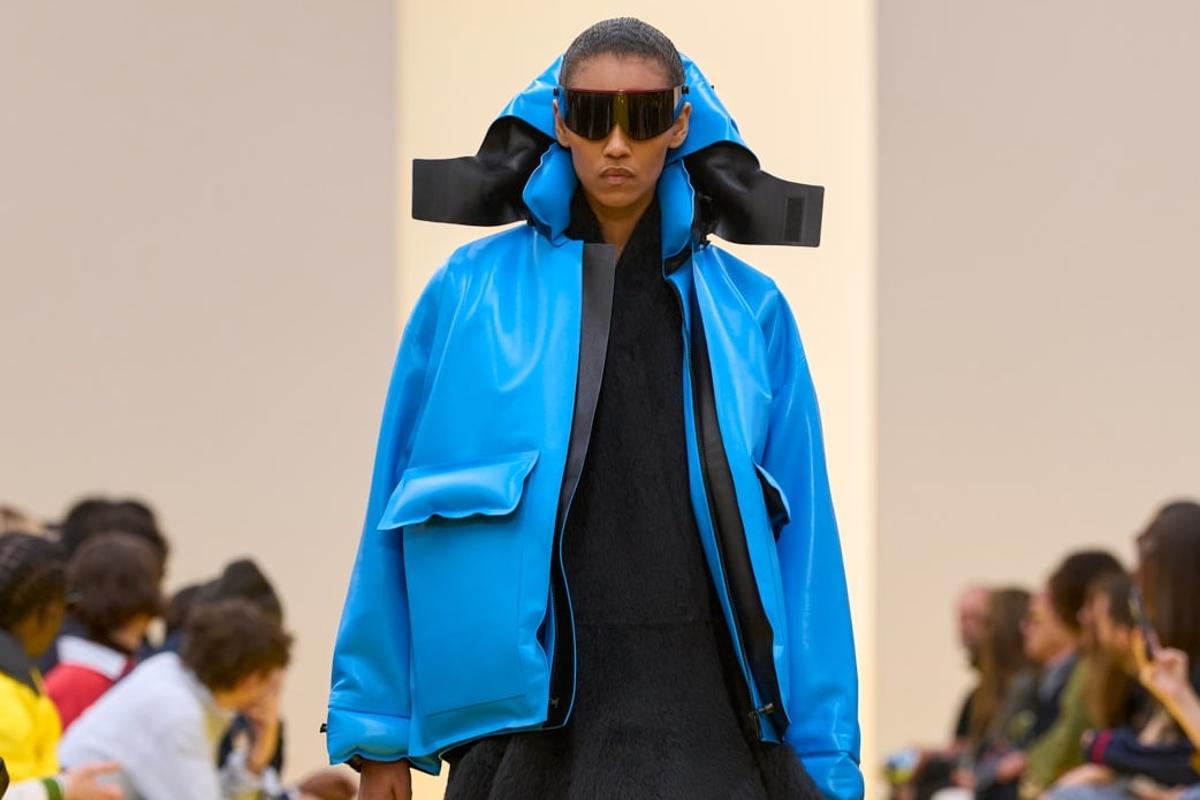
Loewe’s AW26 collection arrives at a pivotal moment for luxury fashion, as brands recalibrate after a pandemic‑induced shift toward home‑centric wardrobes. By framing the runway as an invitation to "come outside and play," designers Jack McCollough and Lazaro Hernandez tap into a growing consumer appetite for versatile, adventure‑ready apparel. The collection’s palette—vivid oranges, deep greens, and crisp whites—paired with technical fabrics, signals a deliberate move away from purely ornamental pieces toward functional luxury that can transition from city streets to natural settings.
Strategically, Loewe is leveraging this sophomore season to deepen its experiential luxury narrative. The outdoor motif aligns with broader industry trends where high‑end houses embed lifestyle experiences into product DNA, fostering deeper emotional connections. By emphasizing playfulness and outdoor activity, Loewe differentiates itself from competitors that remain anchored in classic tailoring. This positioning not only enhances brand equity but also opens avenues for collaborations with outdoor equipment manufacturers and digital activations that showcase the collection in immersive, virtual environments.
From a business perspective, the AW26 rollout is expected to bolster Loewe’s Q4 performance, particularly in European markets where outdoor leisure spending is rising. The collection’s emphasis on technical materials also dovetails with sustainability initiatives, allowing the brand to market eco‑friendly innovations without sacrificing style. As luxury consumers increasingly prioritize authenticity and experience, Loewe’s bold thematic direction could set a benchmark for peers, driving both immediate sales uplift and long‑term brand relevance.
Loewe AW26 is daring you to come outside and play
0
Comments
Want to join the conversation?
Loading comments...