Lusting for Lasting in Instant Age: Why Consumers Are Choosing Forever over Fast
Companies Mentioned

Why It Matters
The trend redefines value from price‑point to longevity, reshaping product strategies and profit models for brands from luxury to mass market. It creates a strategic imperative for companies to prioritize quality, certification, and sustainable design to capture evolving consumer spend.
Key Takeaways
- •Jewellery sales up 4.1% CAGR, outpacing clothing
- •Consumers favor higher‑priced, certified pieces over disposable items
- •Lab‑grown diamonds gain traction as ethical, lasting alternatives
- •Mid‑market brands cut low‑price SKUs by up to 25% in UK
- •Durability becomes a competitive advantage across fashion categories
Pulse Analysis
The post‑pandemic consumer psyche is moving beyond the "fast fashion" mantra toward a mindset that equates value with endurance. Insights from McKinsey‑BoF’s State of Fashion 2026 reveal that shoppers now ask how long a product will remain meaningful, not just how often they can replace it. This shift is amplified by a surge in self‑gifting, where individuals treat purchases as personal investments, driving demand for items that promise lasting relevance and emotional resonance.
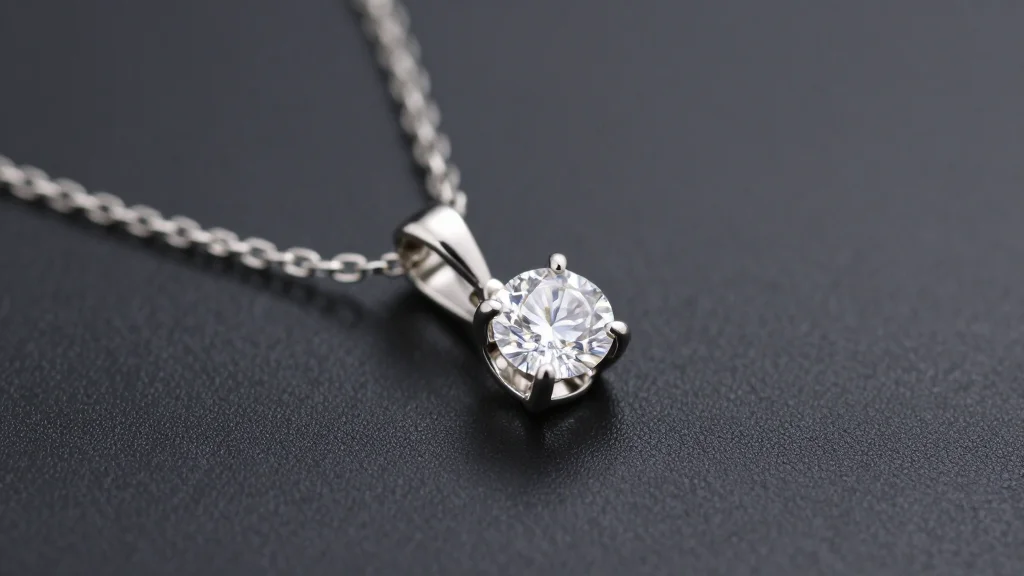
Jewellery provides the clearest barometer of this change. Tenoris data shows a 10% rise in per‑unit spend in June 2025, even as overall transaction volume slipped, indicating consumers are opting for fewer, higher‑priced pieces. Certification, stone provenance, and design longevity have become non‑negotiable criteria, while lab‑grown diamonds attract buyers seeking ethical, durable alternatives without compromising on quality. The sector’s projected 4.1% annual growth through 2028—four times the rate of apparel—underscores how permanence is reshaping purchasing hierarchies across price points.
For brands, the implication is twofold: disposability can no longer be a selling point, and durability must be woven into product development, marketing, and supply‑chain practices. Mid‑market players like Bershka and H&M have already trimmed low‑margin SKUs by up to 25% in the UK, reallocating resources toward higher‑quality offerings. Companies that embed craftsmanship, adaptability, and intergenerational relevance into their portfolios stand to capture the emerging premium on longevity, turning a cultural shift into a sustainable competitive advantage.
Lusting for lasting in instant age: Why consumers are choosing forever over fast
Comments
Want to join the conversation?
Loading comments...