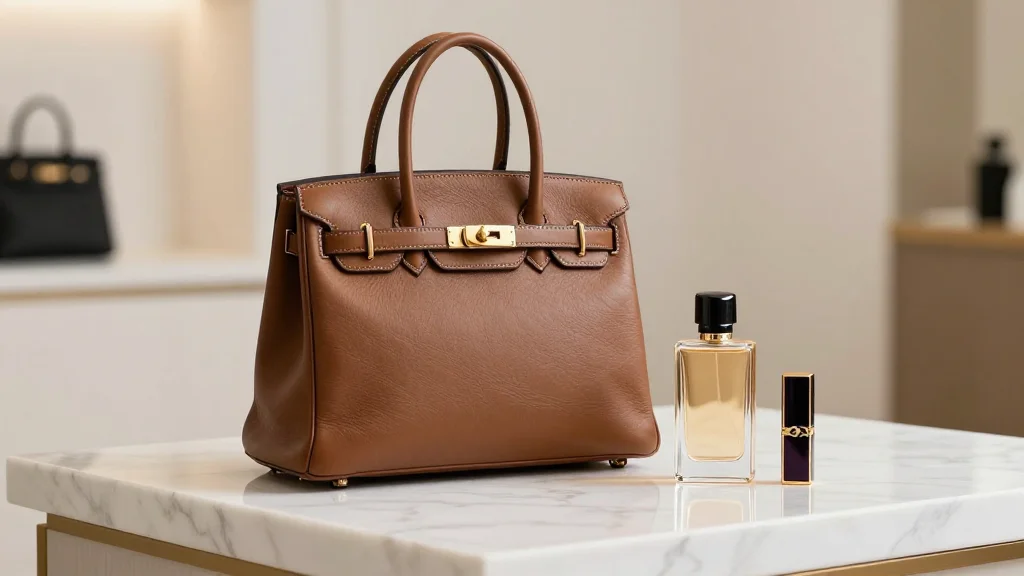
Macy's Raises Annual Forecast as Luxury Focus Fuels First Quarterly Growth in Four Years

Companies Mentioned

Why It Matters
Macy's upward revision signals that luxury-focused strategies can reverse prolonged sales stagnation in the U.S. department‑store segment, offering a blueprint for peers grappling with changing consumer preferences. By proving that high‑margin, high‑touch offerings attract affluent shoppers, Macy's may accelerate a broader industry shift toward premiumization, influencing everything from supply‑chain decisions to digital engagement models. The development also highlights the growing importance of beauty and cosmetics as profit engines within traditional apparel retailers. Bluemercury’s performance underscores how niche beauty concepts can complement larger fashion assortments, creating cross‑selling opportunities that boost overall basket size and customer loyalty.
Key Takeaways
- •Macy's reports first quarterly sales growth in nearly four years
- •Annual sales forecast raised, exact figure not disclosed
- •Luxury sales at Bloomingdale's and Bluemercury drive growth
- •Affluent shoppers increasingly favor premium apparel and beauty
- •Retailers may intensify luxury and experiential initiatives
Pulse Analysis
Macy's recent performance illustrates a pivotal inflection point for legacy department stores that have long struggled with the rise of e‑commerce and shifting consumer habits. By concentrating on high‑margin luxury categories, the retailer taps into a segment less sensitive to price pressures and more resilient to macroeconomic headwinds. This approach mirrors a broader trend where brick‑and‑mortar players double down on experiential retail—personal styling, exclusive events, and curated brand collaborations—to differentiate themselves from pure‑play online competitors.
Historically, department stores have relied on volume-driven sales of mid‑tier merchandise. The shift toward luxury marks a strategic reallocation of shelf space and marketing dollars, potentially sacrificing lower‑margin traffic in favor of higher‑ticket transactions. If Macy's can sustain this momentum, it may force a re‑evaluation of inventory strategies across the sector, prompting rivals to renegotiate terms with luxury brands and invest in staff training to deliver the personalized service that affluent shoppers expect.
Looking forward, the sustainability of Macy's growth will hinge on its ability to balance luxury expansion with broader market conditions. Economic uncertainty, especially around interest rates and consumer confidence, could temper discretionary spending among the affluent. However, the retailer's diversified portfolio—spanning fashion, beauty, and home—provides a buffer. Should Macy's continue to outperform, it could set a new benchmark for how traditional retailers reinvent themselves in a post‑pandemic, digitally integrated marketplace.
Macy's Raises Annual Forecast as Luxury Focus Fuels First Quarterly Growth in Four Years
Comments
Want to join the conversation?
Loading comments...