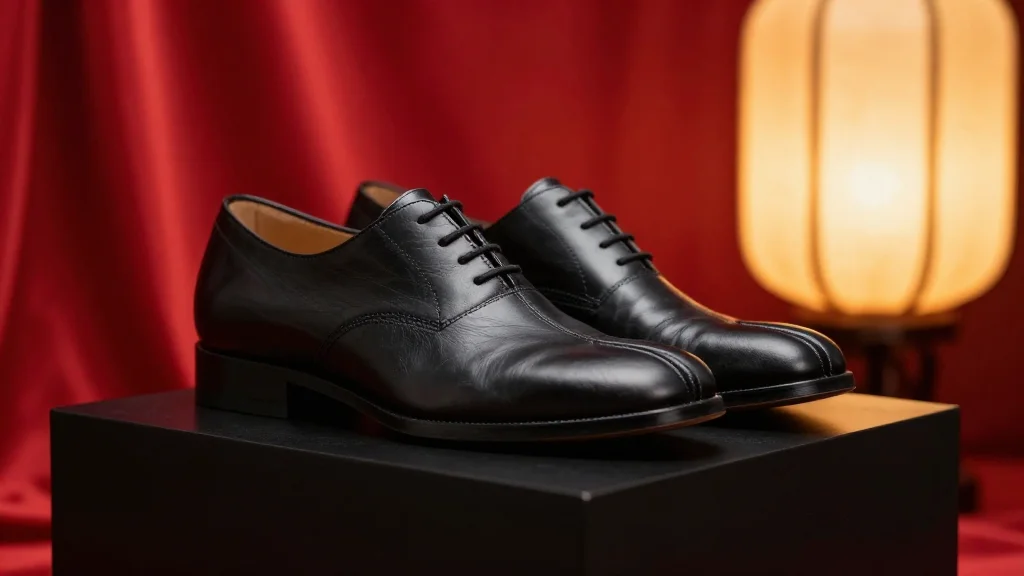
Maison Margiela Unveils 'Tabi: Collectors Exhibition' In Chengdu, Spotlighting Iconic Footwear

Why It Matters
The exhibition underscores a shift in luxury branding toward experiential storytelling, especially in markets where consumers value cultural authenticity. By spotlighting the Tabi—a design that has defined Maison Margiela’s identity—the brand deepens its connection with Chinese shoppers, who increasingly seek immersive brand experiences beyond traditional retail. The move also highlights Chengdu’s rising status as a fashion destination, suggesting that luxury houses may look beyond tier‑one cities to capture growth. Furthermore, the show could catalyze renewed interest in vintage and archival pieces, influencing resale markets and prompting other designers to mine their own histories for similar exhibitions. As heritage narratives become a competitive differentiator, the success of the Chengdu exhibition may shape how luxury footwear brands allocate resources toward museum‑style showcases and limited‑edition releases.
Key Takeaways
- •Maison Margiela launched the "Tabi: Collectors Exhibition" in Chengdu, China, early April 2026.
- •The exhibition traces the Tabi shoe from its 1984 debut to present‑day reinterpretations.
- •Curated multimedia installations accompany the footwear, offering historical context.
- •The show marks Margiela’s first major heritage exhibition in a second‑tier Chinese city.
- •Plans are underway to rotate the exhibition to Seoul and Tokyo later in 2026.
Pulse Analysis
Maison Margiela’s decision to anchor a heritage exhibition in Chengdu reflects a broader industry pivot toward experiential retail in Asia. Historically, luxury houses have concentrated flagship stores and events in Beijing and Shanghai, but Chengdu’s burgeoning affluent class and vibrant cultural scene present untapped potential. By leveraging the Tabi—a design that has become a cultural touchstone—the brand not only reinforces its avant‑garde DNA but also creates a narrative bridge that resonates with Chinese consumers who value authenticity and storytelling.
The exhibition also serves a dual commercial purpose. First, it cultivates brand loyalty by offering an immersive experience that cannot be replicated online. Second, it primes the market for a limited‑edition Tabi capsule, turning exhibition curiosity into immediate purchase intent. This approach mirrors successful strategies employed by heritage brands in the automotive and tech sectors, where museum‑style showcases precede product drops. If the Chengdu show drives measurable sales uplift, it could accelerate a trend where luxury houses schedule rotating heritage exhibitions across secondary Asian markets, using them as both cultural outreach and sales catalysts.
Looking forward, the key question is whether the exhibition can sustain momentum beyond its initial novelty. Success will depend on the brand’s ability to translate visitor engagement into repeat purchases, both in footwear and broader product lines. Additionally, competitors may respond with their own heritage showcases, intensifying the experiential arms race in the luxury sector. For Maison Margiela, the Chengdu exhibition is both a test of market appetite and a blueprint for future regional expansions.
Maison Margiela Unveils 'Tabi: Collectors Exhibition' in Chengdu, Spotlighting Iconic Footwear
Comments
Want to join the conversation?
Loading comments...