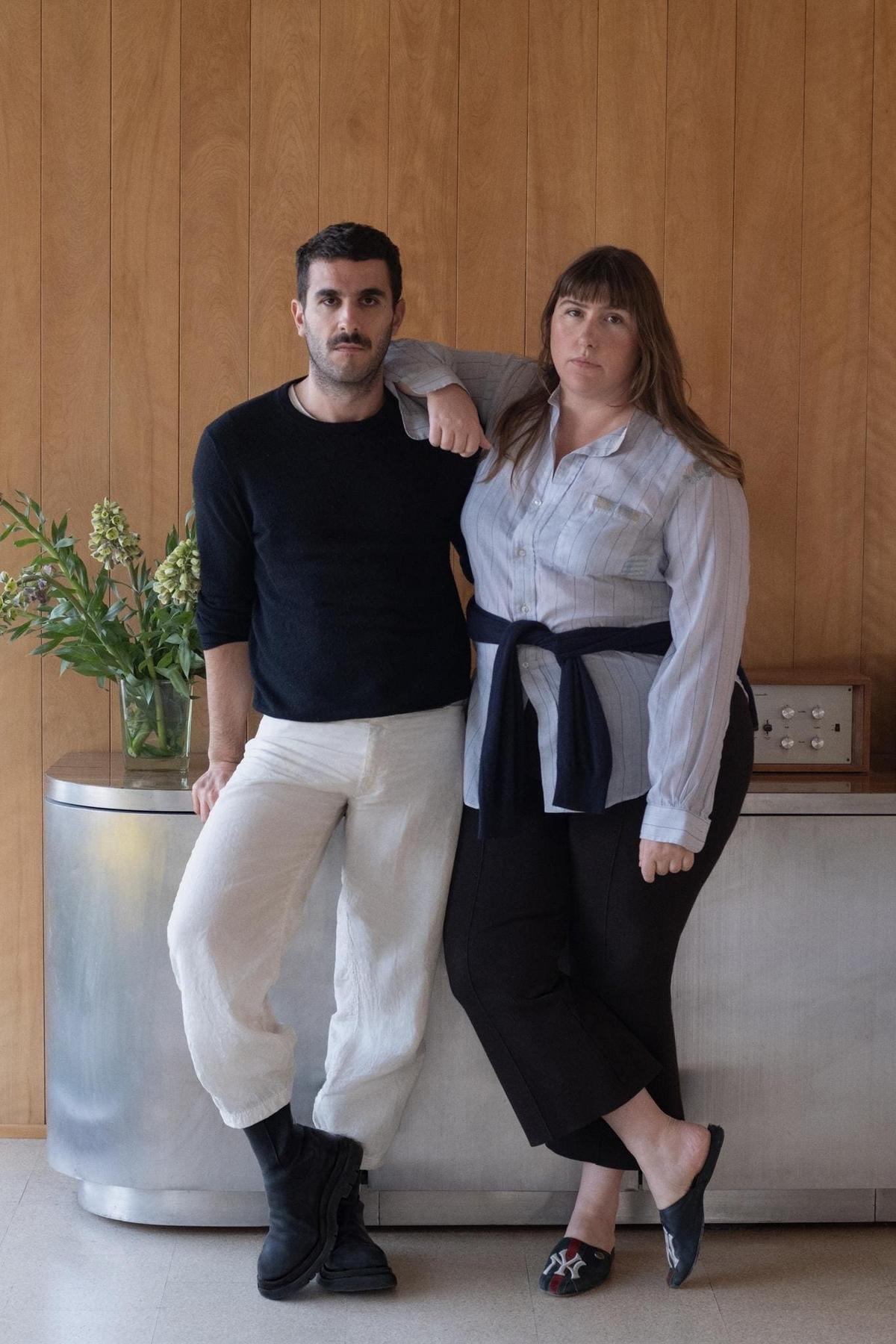
Mango Aims To Raise Quality And Fashion Quotient On Multiple Fronts
Why It Matters
The collaboration signals Mango’s shift from fast‑fashion roots toward a more premium, sustainable positioning, strengthening its relevance in a crowded market. It also showcases how strategic designer partnerships can drive growth and brand perception among younger consumers.
Key Takeaways
- •Mango partners with Eckhaus Latta for June 4 capsule collection
- •Collaboration supports Mango’s 4E plan to elevate brand and product
- •Capsule line uses premium fabrics like silk, taffeta, suede, leather
- •2025 turnover reached €3.8 bn (~$4.1 bn), up 13% YoY
- •Supply chain includes 2,700 factories; 40% of production in China
Pulse Analysis
Mango’s latest move—teaming with Swedish‑Danish label Eckhaus Latta—illustrates a broader industry trend where established retailers use high‑profile collaborations to refresh their image and capture younger, design‑savvy shoppers. The capsule, debuting on June 4, merges Eckhaus Latta’s experimental material play with Mango’s global scale, reinforcing the brand’s 4E Strategic Plan that emphasizes brand elevation, product innovation, and deeper customer engagement. By positioning the collection within its Mango Collective platform, the Spanish giant signals a deliberate shift from pure fast‑fashion speed to a more curated, premium offering.
Beyond the headline partnership, Mango is tackling sustainability and supply‑chain transparency head‑on. The company’s network spans over 2,700 factories across China, Spain and Eastern Europe, with roughly 40% of production still in China—a region prized for fabric innovation despite rising costs and tariff concerns. Recent collaboration with traceability platform TextileGenesis enables digital verification of fibers, aligning with stricter EU regulations and growing consumer demand for ethical sourcing. These steps aim to balance rapid product cycles with higher‑quality, responsibly sourced materials.
Financially, the strategy appears to be paying off. Mango reported a 13% year‑over‑year revenue increase in 2025, reaching €3.8 bn (approximately $4.1 bn), and expanded its footprint to more than 2,900 stores in 120 markets. The brand is also investing in omnichannel experiences, from AI‑driven styling assistants to the new Mediterranean‑inspired New Med store concept, to create a seamless, premium journey for shoppers. If the Eckhaus Latta capsule resonates, it could accelerate Mango’s transition toward a higher‑margin, fashion‑forward business model.
Mango Aims To Raise Quality And Fashion Quotient On Multiple Fronts
Comments
Want to join the conversation?
Loading comments...