Mariam Seddiq Says AI Won’t Stifle Her Handcrafted Fashion Vision

Why It Matters
Seddiq’s public dismissal of AI’s creative threat spotlights a pivotal crossroads for the fashion industry. As AI‑driven design platforms lower entry barriers, established houses risk losing their distinctive voice if they adopt a purely data‑centric approach. Seddiq’s emphasis on hand‑crafted, narrative‑driven pieces offers a counter‑model that could preserve artisanal value and justify premium pricing in an increasingly commoditized market. Moreover, her stance raises questions about sustainability. By repurposing dead‑stock fabrics and extending the lifecycle of materials through bespoke design, Seddiq demonstrates an alternative to fast‑fashion cycles accelerated by AI‑generated mass production. If more designers adopt this hybrid of technology‑aware but craft‑centric philosophy, the industry could see a shift toward more responsible consumption patterns.
Key Takeaways
- •Mariam Seddiq unveiled her Echoes collection at Australian Fashion Week, emphasizing handcrafted techniques.
- •She stated she is not worried that AI will threaten fashion creativity, citing the importance of human error.
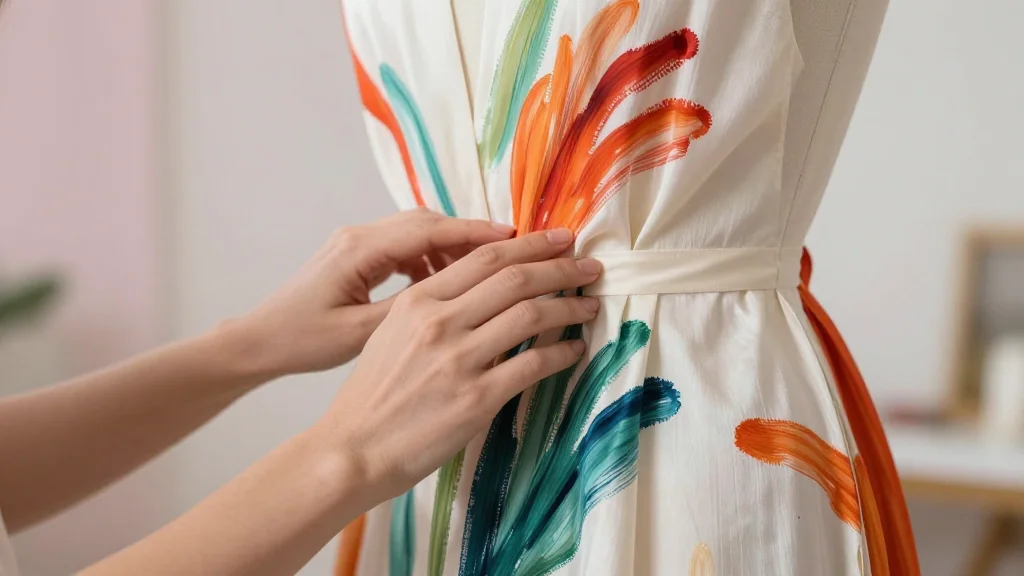
- •The collection uses dead‑stock fabrics, hand‑painted artwork, and signature sunglasses on every model.
- •Industry debate continues over AI’s role in design, with some seeing it as a speed‑up tool and others fearing homogenization.
- •Seddiq’s approach highlights sustainability through material reuse and limited‑run, narrative‑driven pieces.
Pulse Analysis
Seddiq’s comments arrive at a moment when AI is reshaping the supply chain, from trend‑spotting algorithms to generative design software. Historically, fashion revolutions—think ready‑to‑wear in the 1960s or digital printing in the 2000s—have been driven by technology that expands creative possibilities. However, each wave also sparked a backlash from purists who feared loss of craftsmanship. Seddiq’s stance mirrors that earlier resistance, but it also signals a strategic positioning: by foregrounding the tactile, she differentiates her brand in a market where AI‑generated designs risk becoming interchangeable.
From a competitive perspective, luxury houses that double‑down on hand‑craftsmanship can command higher margins, especially as consumers grow more conscious of authenticity and sustainability. Seddiq’s use of dead‑stock fabrics not only reduces waste but also creates scarcity, a hallmark of luxury economics. Meanwhile, fast‑fashion brands leveraging AI for rapid design cycles will likely continue to dominate volume markets, but they may struggle to attract the affluent segment that values the narrative depth Seddiq offers.
Looking forward, the key question is whether AI can be integrated without diluting the designer’s voice. Hybrid models—where AI assists in pattern drafting or material forecasting while the final aesthetic decisions remain human—could become the norm. Seddiq’s outright dismissal of AI may be a short‑term branding move, but the industry will need to find a balance that preserves creative integrity while embracing efficiency gains. The next few seasons will reveal whether handcrafted luxury can coexist with algorithmic speed, or if one will inevitably eclipse the other.
Mariam Seddiq Says AI Won’t Stifle Her Handcrafted Fashion Vision
Comments
Want to join the conversation?
Loading comments...