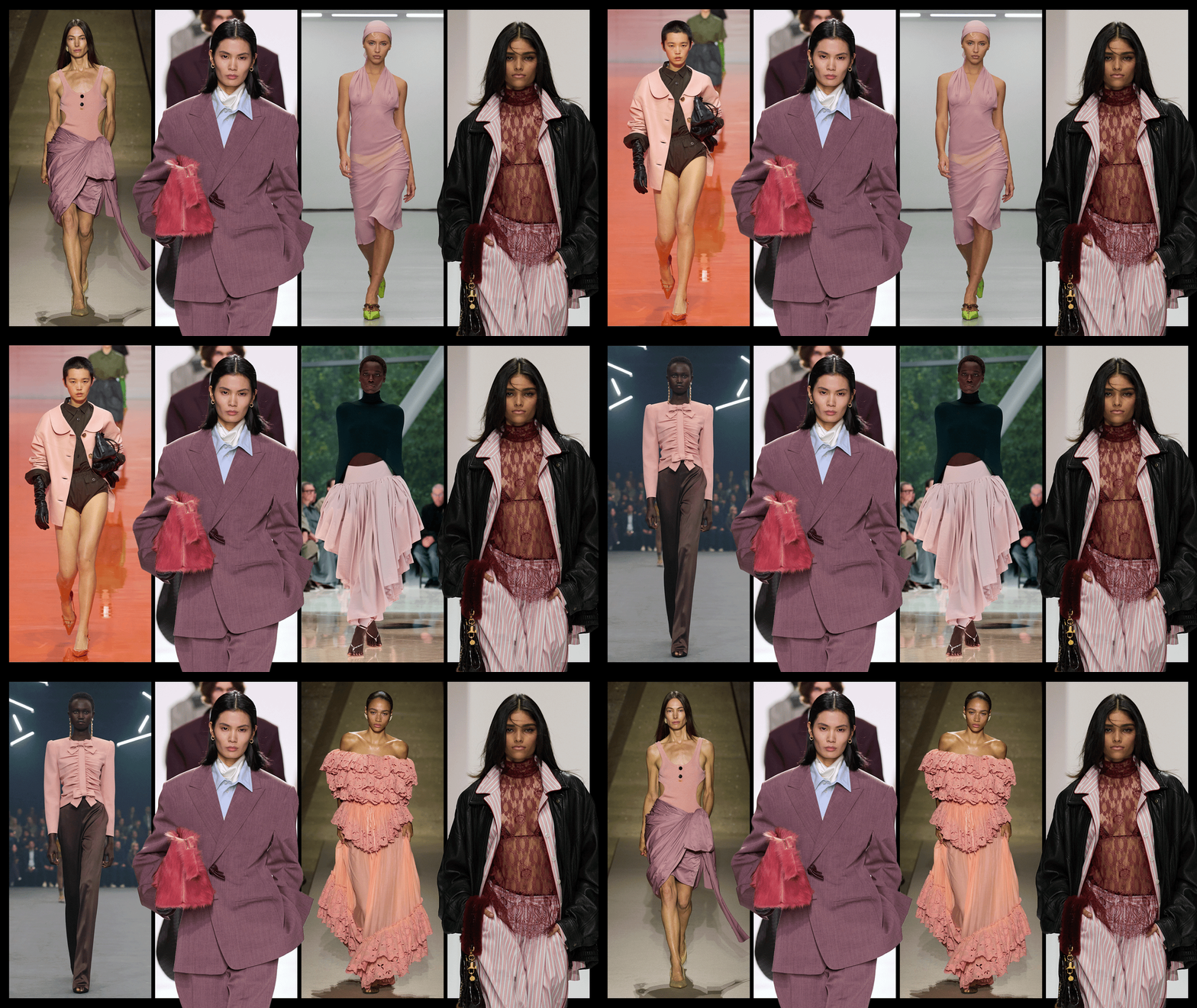
Mauve Is Spring’s Answer to Burgundy—Here's How to Wear It
•March 4, 2026
0
Why It Matters
Mauve’s versatility offers retailers a fresh color narrative that drives both high‑end runway influence and mass‑market adoption, boosting seasonal sales across apparel and accessories.
Key Takeaways
- •Mauve replaces burgundy as spring 2026 color
- •Designers Prada, Chloe, Valentino showcase mauve accents
- •Pair mauve with neutrals like black, cream, brown
- •Colored denim and accessories dominate street style looks
- •Evening outfits favor deeper plum‑mauve with metallic accents
Pulse Analysis
The rise of mauve this spring reflects a broader shift toward softer, gender‑neutral palettes that resonate with post‑pandemic optimism. Runway shows from Prada to Valentino have positioned the hue as a bridge between winter’s deep burgundy and summer’s bright pastels, leveraging its psychological appeal of calm confidence. By anchoring collections in muted pinks and purples, designers create a versatile canvas that can be layered, mixed, or used as a statement accent, allowing brands to refresh existing inventories without wholesale redesigns.
For consumers, mauve offers a low‑risk entry point into trend adoption. Colored denim in rose‑pink washes, mauve‑tinted handbags, and sneakers integrate seamlessly with staple pieces in black, cream, or chocolate brown, extending the wearability of new items across multiple seasons. Retailers are capitalising on this by curating capsule collections that pair high‑end accessories with affordable basics, driving both impulse purchases and higher‑margin sales. The trend also fuels cross‑category synergy, as beauty brands launch mauve‑toned cosmetics that complement fashion offerings, reinforcing a cohesive lifestyle narrative.
Looking ahead, mauve is poised to dominate not only apparel but also interior design and digital media palettes, reinforcing its status as a year‑round neutral. Its adaptability makes it attractive for sustainable fashion initiatives, allowing designers to repurpose leftover fabrics in complementary shades. As the color gains traction across runway, street style, and e‑commerce platforms, brands that embed mauve into their product roadmaps are likely to capture heightened consumer interest and secure a competitive edge in the 2026 spring‑summer market.
Mauve Is Spring’s Answer to Burgundy—Here's How to Wear It
0
Comments
Want to join the conversation?
Loading comments...