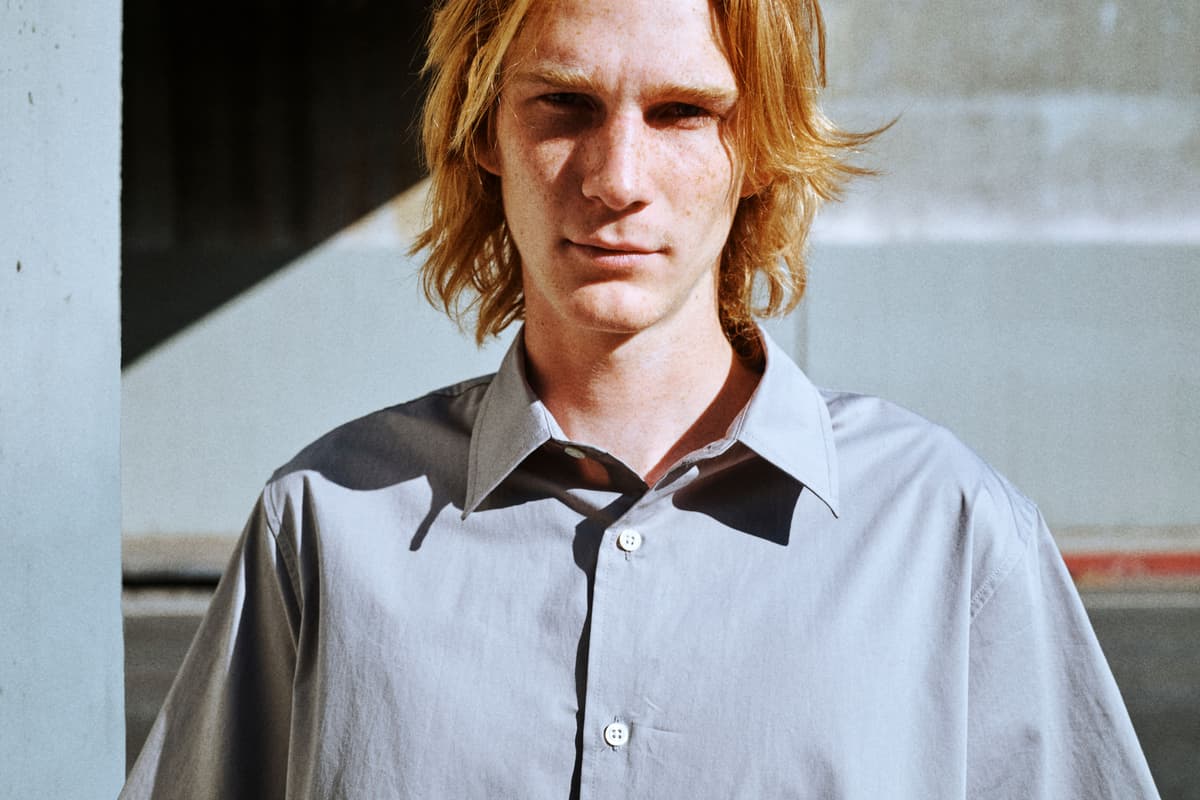
Menswear’s Favorite T-Shirt Brand Has Now Perfected the Rest of Your Wardrobe
Why It Matters
The launch signals a shift for indie basics brands toward higher‑margin, work‑wear categories while reinforcing domestic production, a rare combination that could inspire other U.S. label expansions. It also positions Lady White Co. to capture a broader consumer segment seeking premium, locally made garments.
Key Takeaways
- •Lady White Co. launches first woven collection after a decade of tees
- •New line uses Japanese chambray, poplin, and cotton twill fabrics
- •All garments remain cut, sewn, and dyed in Los Angeles factories
- •Expansion targets office‑wear market while preserving brand’s indie‑basic DNA
Pulse Analysis
Lady White Co. began in 2015 with a single, meticulously engineered white T‑shirt that quickly became a cult favorite among menswear enthusiasts. The brand’s dedication to local production—knitting, cutting and sewing every piece within a few miles of its Los Angeles headquarters—has helped it stand out in a market saturated with overseas fast fashion. Over the past eleven years, the label expanded its catalog to include tees, sweats and polos, but it kept its core philosophy of high‑quality, locally sourced basics.
The newly announced woven line marks a strategic pivot into the office‑wear arena. By sourcing premium Japanese chambray, poplin and cotton twill, Lady White Co. offers crisp button‑ups, vintage‑inspired jackets and sturdy chinos that retain the brand’s clean, sporty aesthetic. Crucially, the production process remains anchored in Los Angeles, allowing the company to maintain tight quality control and support a dwindling domestic textile ecosystem. This blend of upscale fabrics with local craftsmanship creates a compelling value proposition for consumers willing to pay a premium for both style and ethical manufacturing.
Industry analysts see Lady White’s expansion as part of a broader resurgence of American apparel manufacturing, driven by consumer demand for transparency and sustainability. As niche brands move upmarket, they can capture higher margins while reinforcing supply‑chain resilience. If the woven collection gains traction, it could encourage other indie labels to invest in domestic production capabilities, potentially reshaping the competitive landscape of premium basics and work‑wear in the United States.
Menswear’s Favorite T-Shirt Brand Has Now Perfected the Rest of Your Wardrobe
Comments
Want to join the conversation?
Loading comments...