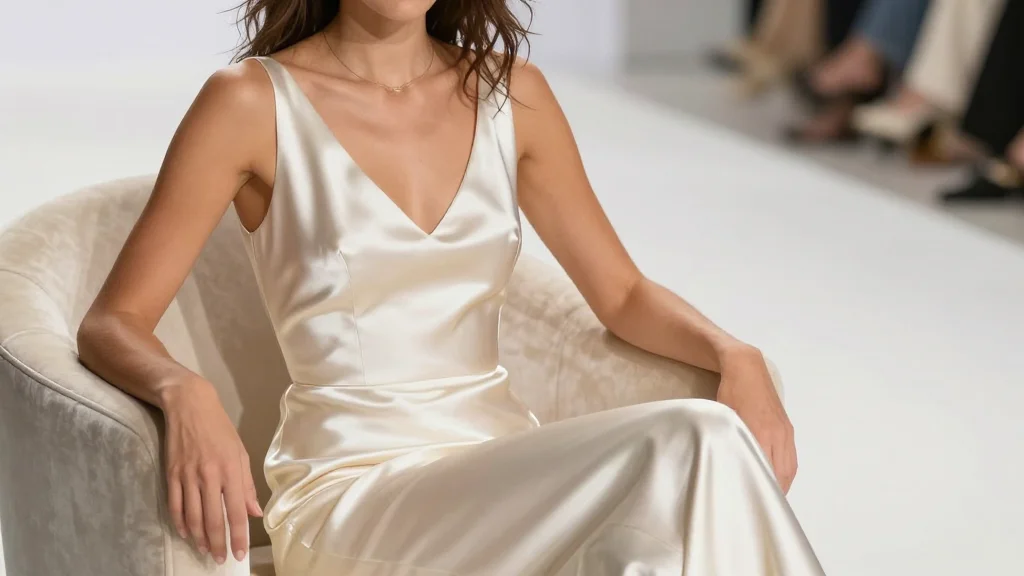
Messy Glam Overtakes Clean‑Girl Aesthetic as 2026’s Dominant Style Mood

Why It Matters
Messy glam signals a cultural pivot away from hyper‑curated perfection toward authenticity and emotional expression, reshaping how brands communicate style and value. The trend lowers entry barriers, allowing a broader demographic to engage with high‑fashion cues, which could democratize luxury and drive new revenue streams for both premium and mass‑market retailers. Additionally, the emphasis on intentional imperfection challenges traditional marketing narratives that equate flawless presentation with desirability. As consumers seek products that reflect real‑life complexity, brands that adapt their design, messaging, and retail strategies to embrace messiness may secure stronger loyalty and relevance in a post‑pandemic marketplace.
Key Takeaways
- •Messy glam replaces clean‑girl aesthetic as 2026’s dominant fashion mood
- •Runway shows from Bottega Veneta to Vivienne Westwood feature intentional disarray
- •Trend blends luxury accents with oversized, relaxed garments
- •Retailers report a 12% rise in "effortless glam" sales YoY
- •Low entry barrier expands consumer participation in high‑fashion looks
Pulse Analysis
The emergence of messy glam reflects a broader societal fatigue with the relentless pursuit of perfection that defined the early 2020s. After years of curated feeds and algorithm‑driven aesthetics, consumers are gravitating toward styles that acknowledge imperfection as a form of authenticity. This mirrors similar shifts in other cultural domains, such as the rise of "real‑food" movements in gastronomy and the popularity of raw, unedited content on social platforms.
From a market perspective, messy glam offers a strategic advantage for brands caught between luxury exclusivity and mass‑market accessibility. By positioning a single high‑quality accessory as the anchoring piece, designers can command premium pricing while surrounding it with more affordable, relaxed garments. This hybrid model could become a template for future collections, allowing luxury houses to capture a wider audience without diluting brand equity.
Looking forward, the staying power of messy glam will depend on its ability to evolve beyond a seasonal mood. If designers can translate the aesthetic into functional, season‑spanning pieces—such as versatile outerwear or adaptable footwear—the trend may cement itself as a new norm rather than a fleeting Instagram moment. Brands that invest in storytelling that celebrates controlled chaos, and that align product development with the emotional resonance of the trend, are likely to lead the next wave of fashion innovation.
Messy Glam Overtakes Clean‑Girl Aesthetic as 2026’s Dominant Style Mood
Comments
Want to join the conversation?
Loading comments...