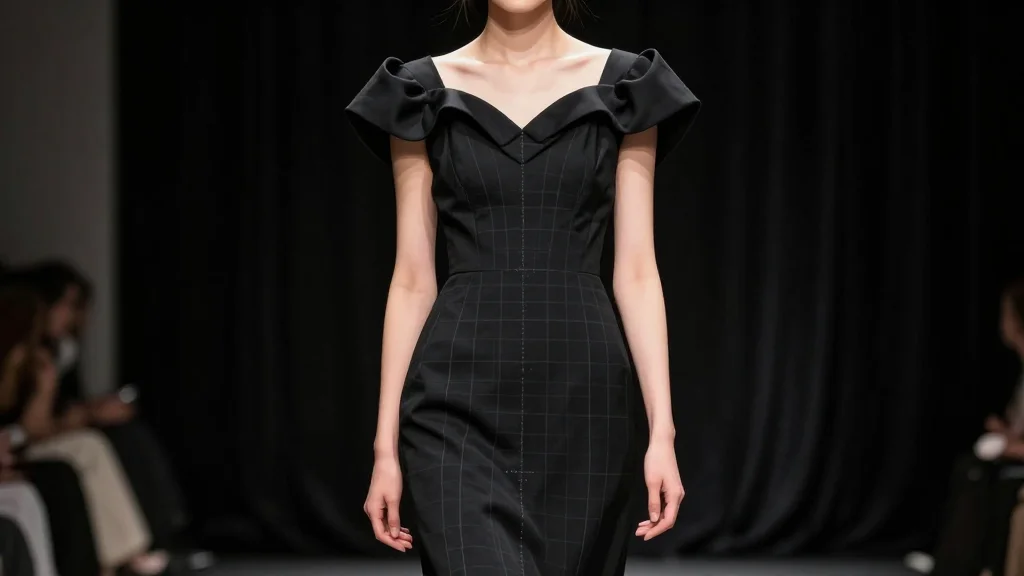
Met Gala 2026 Redefines Red‑Carpet Rules with 'Fashion Is Art' Dress Code

Companies Mentioned
Why It Matters
The revised dress‑code brief at the Met Gala underscores a broader industry shift toward integrating artistic narratives with concrete design parameters. By mandating clearer guidelines, the event pushes luxury brands to invest in craftsmanship that can be both expressive and rule‑compliant, potentially redefining the value proposition of haute couture. For the fashion ecosystem, the gala’s approach may influence other award shows, fashion weeks, and brand campaigns to adopt similar frameworks, encouraging a more disciplined yet innovative creative process that resonates with consumers seeking authenticity and storytelling.
Key Takeaways
- •Met Gala 2026 introduces a focused dress‑code brief alongside the 'Fashion Is Art' theme.
- •Designers employ sculptural silhouettes and fine‑art references to meet the new guidelines.
- •Celebrities split between avant‑garde interpretations and classic, rule‑aligned looks.
- •Luxury houses adjust production to prioritize bespoke, narrative‑driven pieces.
- •Future events may adopt similar dress‑code structures, shaping industry standards.
Pulse Analysis
The Met Gala’s decision to tighten its dress‑code brief reflects an emerging tension between unrestricted artistic expression and the commercial need for brand coherence. Historically, the gala has been a playground for maximalist experimentation, often resulting in polarizing outfits that generate buzz but dilute the underlying exhibition narrative. By codifying certain parameters, the museum is effectively curating not just the exhibition but the fashion that represents it, aligning the visual language of the red carpet with the museum’s curatorial intent.
From a market perspective, this move could accelerate the rise of hyper‑customized luxury, where the line between fashion and fine art blurs. Brands that can deliver technically sophisticated, story‑rich garments stand to capture a premium segment of consumers who view clothing as an investment piece. Conversely, designers who rely on trend‑driven, mass‑produced aesthetics may find fewer opportunities at such high‑visibility events, prompting a strategic pivot toward more narrative‑centric collaborations.
Looking forward, the Met’s model may serve as a blueprint for other institutions seeking to harness celebrity influence while preserving artistic integrity. If the dress‑code brief proves successful in delivering cohesive, critically acclaimed looks, we could see a wave of similar guidelines at events ranging from the Cannes Film Festival to major fashion weeks, reshaping how the industry balances spectacle with substance.
Met Gala 2026 Redefines Red‑Carpet Rules with 'Fashion Is Art' Dress Code
Comments
Want to join the conversation?
Loading comments...