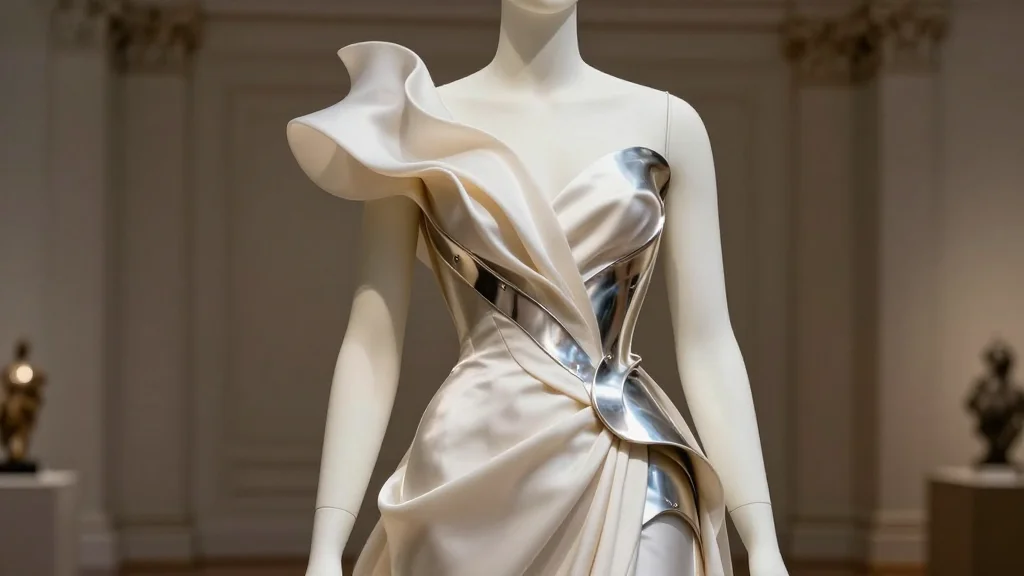
Met Gala 2026 Unveils 'Costume Art' Theme, Dress Code and Celebrity Hints

Companies Mentioned
Why It Matters
The Met Gala’s "Costume Art" theme underscores a growing convergence between high fashion and institutional art, signaling that designers are increasingly viewing garments as sculptural objects rather than mere apparel. This shift could influence upcoming runway shows, prompting brands to invest in more experimental, museum‑compatible pieces that blur the boundaries between fashion and fine art. The mayoral skip highlights the event’s evolving political relevance, suggesting that future galas may see reduced civic participation as the focus sharpens on artistic expression. Meanwhile, the buzz around Rihanna’s potential return illustrates how celebrity involvement can amplify a theme’s cultural impact, driving consumer interest and media coverage far beyond the event itself.
Key Takeaways
- •Met Gala set for May 4, 2026 with "Costume Art" theme and "Fashion Is Art" dress code
- •Exhibition "Costume Art" opens May 10, 2026 and runs until Jan. 10, 2027
- •Designers expected to deliver wearable sculptures, with influences from Rei Kawakubo’s 1997 collection
- •Mayor Zohran Mamdani will be the first NYC mayor in ~20 years to skip the gala
- •Rumors suggest Rihanna may return after missing the 2025 event
Pulse Analysis
The 2026 Met Gala marks a decisive moment where fashion’s narrative is being rewritten through the lens of visual art. By framing the dress code as "Fashion Is Art," the Costume Institute is not only challenging designers to think beyond fabric but also prompting the industry to reconsider the commercial viability of high‑concept pieces. Historically, the gala has served as a launchpad for trendsetting looks; this year’s emphasis on sculptural forms could accelerate the adoption of 3‑D printing, experimental textiles, and architectural tailoring in mainstream collections.
From a market perspective, the theme aligns with luxury brands’ recent investments in experiential retail and museum collaborations, as seen in recent partnerships between fashion houses and institutions like the Tate and MoMA. The anticipated media focus on avant‑garde outfits may also drive secondary market demand for vintage and archival pieces that echo the exhibition’s aesthetic, potentially inflating prices for iconic works by designers such as Schiaparelli and Iris van Herpen. Moreover, the mayor’s absence may signal a subtle shift away from the gala’s political pageantry, allowing the artistic narrative to dominate public discourse.
Looking ahead, the ripple effects of the "Costume Art" directive will likely be felt throughout the fashion calendar. Designers may prioritize concept‑driven collections for upcoming fashion weeks, while advertisers could leverage the gala’s art‑centric imagery in campaigns targeting culturally attuned consumers. As the exhibition opens to the public, it will serve as a tangible reference point for both creators and buyers, reinforcing the notion that fashion, when treated as art, can command both critical acclaim and commercial success.
Met Gala 2026 Unveils 'Costume Art' Theme, Dress Code and Celebrity Hints
Comments
Want to join the conversation?
Loading comments...