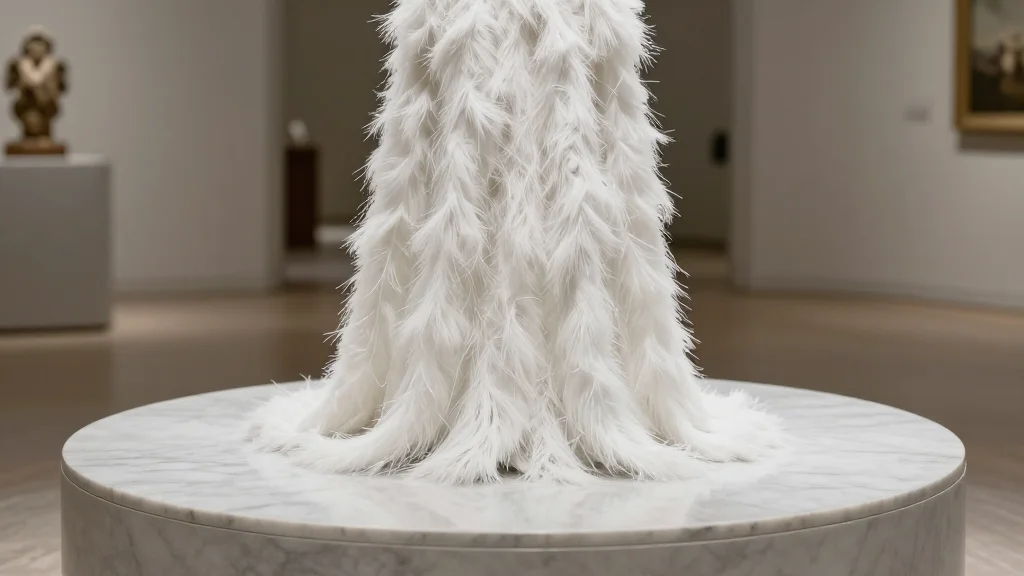
Met’s Human‑Hair Dress Triggers Ethics Debate Over Artistic Credit

Companies Mentioned
Why It Matters
The Met’s handling of the “Hair Dress” dispute underscores a broader shift in how fashion artifacts are treated as cultural heritage. As museums vie for cutting‑edge designs, clear attribution becomes essential to protect creators’ rights and maintain the integrity of collaborative work. Failure to address credit concerns could discourage designers from partnering with institutions, limiting public access to innovative fashion. Beyond the museum walls, the case raises questions about the ethical use of synthetic materials that mimic human hair, a trend gaining traction in high‑fashion runway shows. The debate may prompt designers and curators to develop stricter guidelines for material disclosure and co‑creator acknowledgment, shaping industry standards for years to come.
Key Takeaways
- •Met’s Costume Institute displays “Corpus Nervana 0.0” featuring synthetic hair strands.
- •Artist Anouska Samms claims the dress copies a 2023 collaborative “Hair Dress.”
- •Yoav Hadari’s YH Studios sold the piece to the museum after a prior acquisition plan fell through.
- •Samms’ attorney Jon Sharples demands proper co‑authorship credit for the original work.
- •The dispute spotlights museum acquisition practices and ethical concerns in fashion art.
Pulse Analysis
The Met’s decision to exhibit a contested garment without clear attribution reflects a broader institutional challenge: balancing the desire for headline‑making fashion pieces with the responsibility to honor creative collaboration. Historically, museums have acted as gatekeepers of cultural legitimacy, but the rapid pace of fashion innovation now forces them to navigate complex intellectual‑property landscapes. In this case, the museum’s silence may be a strategic move to avoid legal entanglements, yet it risks alienating the very artists whose work fuels its exhibitions.
From a market perspective, the controversy could affect the valuation of wearable art. Collectors and investors watch how institutions handle provenance disputes; a precedent of ambiguous credit could depress prices for collaborative works, while transparent practices may boost confidence and demand. Designers like Hadari, who leverage museum exposure for brand elevation, must weigh the reputational cost of perceived appropriation against the commercial upside of high‑profile placements.
Looking ahead, the fashion industry may see a push toward formalized credit agreements akin to music sampling licenses. As synthetic materials and avant‑garde aesthetics become more mainstream, clear contracts and museum policies will be essential to protect creators and maintain the cultural cachet of fashion exhibitions. The outcome of the Met‑Samms dispute will likely serve as a reference point for future negotiations between designers, artists, and cultural institutions.
Met’s Human‑Hair Dress Triggers Ethics Debate Over Artistic Credit
Comments
Want to join the conversation?
Loading comments...