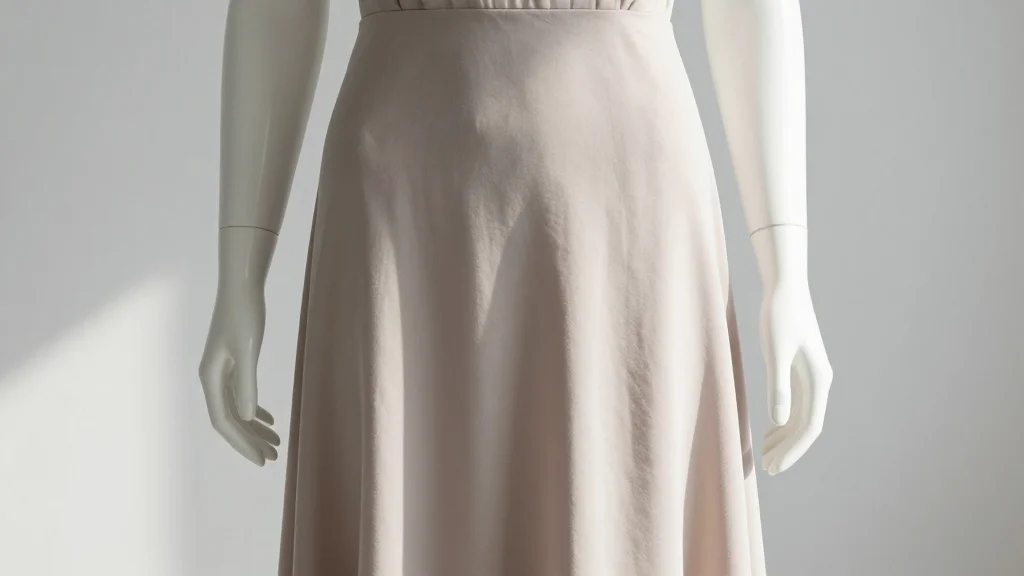
Midi and Maxi Dresses Dominate 2026 Fashion, Powered by Celebrity Influence

Why It Matters
The midi‑maxi dominance reshapes the fashion supply chain, prompting manufacturers to prioritize fluid fabrics and neutral dyes, which can reduce production complexity and waste. For consumers, the trend offers a versatile wardrobe foundation that aligns with the growing demand for sustainable, timeless pieces. Moreover, the celebrity endorsement loop amplifies the trend’s speed, influencing fast‑fashion brands to replicate high‑end looks quickly, thereby affecting market dynamics across price points. From a cultural perspective, the emphasis on length as a form of self‑expression signals a broader societal shift toward subtle empowerment. By choosing silhouette over flashiness, women are redefining power dressing on their own terms, a narrative that could influence future gender‑related fashion dialogues and marketing strategies.
Key Takeaways
- •Midi dresses land just below the calf, offering day‑to‑night versatility.
- •Maxi dresses use length for understated drama and authority.
- •Neutral colours—beige, olive, black—dominate both silhouettes.
- •Celebrities Ananya Panday, Deepika Padukone, Kylie Jenner, Hailey Bieber drive the trend.
- •Designers experiment with hybrid lengths, asymmetrical hems and layered cuts.
Pulse Analysis
The midi‑maxi surge reflects a maturation of the power‑dressing concept that began in the early 2020s. Rather than relying on overt logos or bright hues, the current wave leverages silhouette to convey confidence, a shift that aligns with the broader minimalist and sustainability movements. Historically, dress length trends have been cyclical—think the 1970s maxi revival or the 1990s slip dress—but the 2026 iteration is distinguished by its cross‑cultural synthesis and celebrity‑driven diffusion.
From a market standpoint, the trend benefits both luxury houses and mass‑market retailers. Luxury brands can justify higher price points through premium fabrics and precise tailoring, while fast‑fashion players capitalize on the trend’s simplicity to produce affordable versions at scale. This dual‑track approach may compress margins for mid‑tier brands that lack the agility of either extreme. Brands that can quickly adapt—by offering mix‑and‑match separates that complement midi and maxi dresses—will likely capture the most share.
Looking forward, the longevity of the midi‑maxi dominance will hinge on consumer appetite for versatility versus novelty. If the sustainability narrative continues to gain traction, the neutral, timeless aesthetic could become a staple beyond 2026, reshaping seasonal calendars and reducing the frequency of rapid‑fire trend cycles. Conversely, a sudden pivot toward maximalist or highly embellished styles could truncate the current wave, prompting designers to re‑invest in more experimental silhouettes. Stakeholders should monitor retail sell‑through data and social‑media sentiment closely to gauge the trend’s staying power.
Midi and Maxi Dresses Dominate 2026 Fashion, Powered by Celebrity Influence
Comments
Want to join the conversation?
Loading comments...