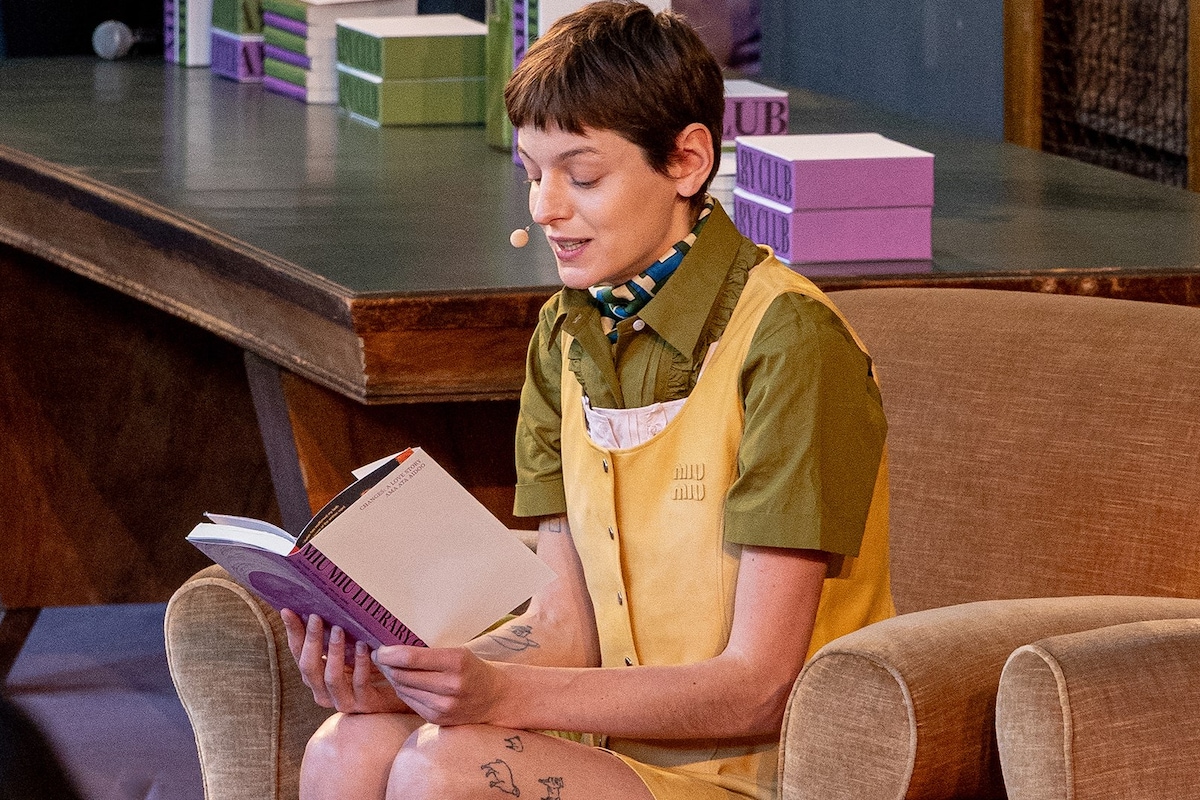
Miu Miu’s Latest Literary Club Tackles the Thorny Issue of Consent
Why It Matters
The club positions a luxury fashion label as a cultural catalyst, driving nuanced conversations on consent that resonate beyond the runway. It demonstrates how brands can leverage intellectual programming to deepen consumer relevance and differentiate in a crowded market.
Key Takeaways
- •Miu Miu Literary Club returns to Milan for ‘Politics of Desire’
- •Panel discussed consent through Ernaux’s *A Girl’s Story*
- •Emma Corrin read Ama Ata Aidoo’s *Changes*, sparking consent debate
- •Miuccia Prada leverages fashion platform for feminist literary dialogue
Pulse Analysis
Fashion houses are increasingly stepping beyond apparel to curate cultural experiences that reinforce brand narratives. Miu Miu’s Literary Club, launched in 2024, exemplifies this shift by hosting curated book discussions that align with the label’s avant‑garde aesthetic and feminist ethos. By situating the club in iconic venues like Milan’s Circolo Filologico, the brand taps into the cachet of intellectual gatherings, attracting a demographic that values both style and substance. This strategy mirrors a broader industry trend where luxury brands act as patrons of the arts, using literary programming to deepen emotional connections with consumers.
The fourth edition’s focus on consent—through Annie Ernaux’s memoir *A Girl’s Story* and Ama Ata Aidoo’s *Changes*—offers a timely lens on gender dynamics and personal agency. Both works dissect moments where desire intersects with power, prompting panelists to explore how consent is negotiated across cultural contexts. By foregrounding these narratives, Miu Miu creates a safe space for difficult dialogue, positioning the brand as a progressive voice in societal debates. The inclusion of high‑profile participants such as Emma Corrin and Wayétu Moore amplifies the conversation, drawing media attention and reinforcing the club’s credibility as more than a marketing gimmick.
From a business perspective, the literary club enhances Miu Miu’s brand equity by aligning luxury with thought leadership. Engaging audiences through intellectual content fosters loyalty among consumers who seek brands with purpose, potentially translating into higher purchase intent and price tolerance. Moreover, the initiative generates earned media coverage that extends beyond traditional fashion reporting, reaching cultural and academic outlets. As consumers increasingly demand authenticity, Miu Miu’s model illustrates how fashion labels can harness cultural programming to differentiate themselves, drive relevance, and influence broader industry conversations about consent and gender equity.
Miu Miu’s latest literary club tackles the thorny issue of consent
Comments
Want to join the conversation?
Loading comments...