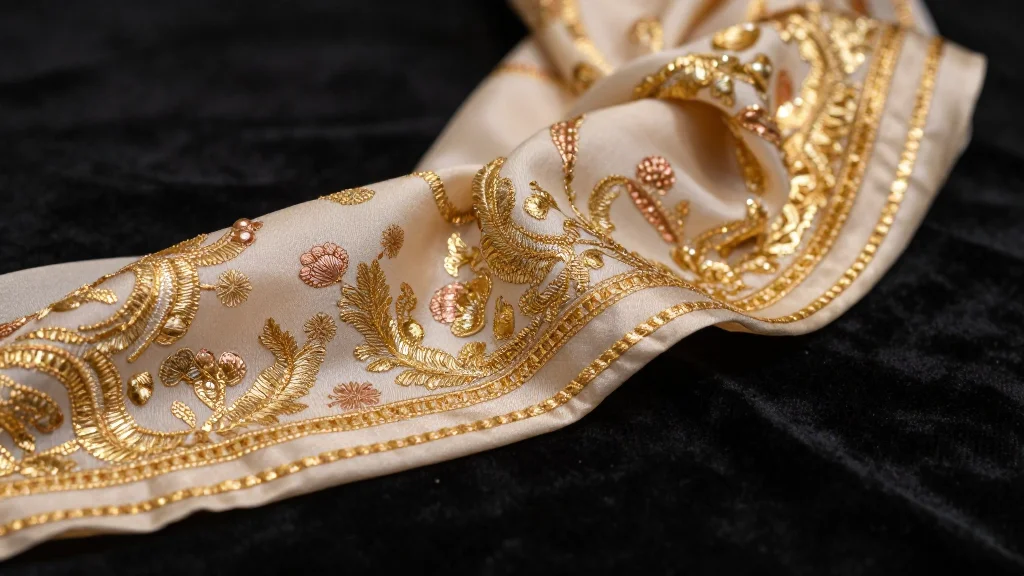
Monica Shah Revives Kasab Zari, Saving a Vanishing Mughal Craft

Why It Matters
Monica Shah’s Kasab zari revival underscores a growing convergence between cultural heritage and high‑end fashion, offering a template for how endangered crafts can find new life in commercial contexts. By creating a market for a technique that once survived only through royal patronage, the project challenges the narrative that traditional handwork is incompatible with modern luxury economics. Moreover, the initiative highlights the role of designers as cultural custodians, capable of mobilizing consumer demand to preserve intangible heritage. If successful, the model could inspire policy shifts, encouraging governments to provide tax incentives or GI protection for other fading crafts. It also signals to investors that heritage‑driven fashion can deliver both social impact and financial returns, potentially reshaping funding priorities within the Indian luxury sector.
Key Takeaways
- •Monica Shah launches "Jade Kasab" collection featuring revived Mughal-era Kasab zari embroidery.
- •Collaboration with a small guild of Lucknow master weavers to preserve the alloy‑casting technique.
- •Three‑year apprenticeship program created to train new artisans and ensure skill transmission.
- •Collection garners early orders from high‑net‑worth clients in Mumbai, Dubai, and anticipates Paris debut in 2027.
- •Potential for GI registration to protect the craft and attract government support.
Pulse Analysis
The Kasab zari revival arrives at a pivotal moment for Indian luxury, where authenticity has become a competitive moat. Historically, Indian designers have leaned on mass‑produced motifs to meet global demand, often sacrificing depth for volume. Shah’s approach flips that script by foregrounding a labor‑intensive, high‑skill technique that commands premium pricing. This aligns with a broader consumer shift toward provenance, as shoppers increasingly scrutinize the story behind their garments. In markets like the United States and Europe, heritage narratives can command a price premium of 20‑30% over comparable products, a margin that can offset the higher production costs inherent in hand‑crafted work.
From a supply‑side perspective, the initiative could catalyze a regional cluster effect. As demand for Kasab zari rises, ancillary businesses—metal alloy suppliers, loom manufacturers, and training institutes—may experience growth, creating an ecosystem that reduces per‑unit costs over time. However, the scalability ceiling remains low; each square meter of Kasab work can require dozens of hours of hand labor. Designers looking to replicate this model will need to balance limited output with the exclusivity that luxury consumers crave.
Strategically, Shah’s plan to secure GI status could lock in a legal framework that protects the craft from imitation, ensuring that only certified artisans can label their work as "Kasab zari." This not only safeguards cultural integrity but also creates a barrier to entry for fast‑fashion brands seeking to co‑opt the aesthetic. If the Paris Haute Couture debut succeeds, it could set a precedent for other Indian crafts—such as Patola silk or Pashmina shawls—to pursue similar high‑visibility platforms, potentially reshaping the global perception of Indian luxury from a cost‑effective alternative to a source of unique, heritage‑rich artistry.
Monica Shah Revives Kasab Zari, Saving a Vanishing Mughal Craft
Comments
Want to join the conversation?
Loading comments...