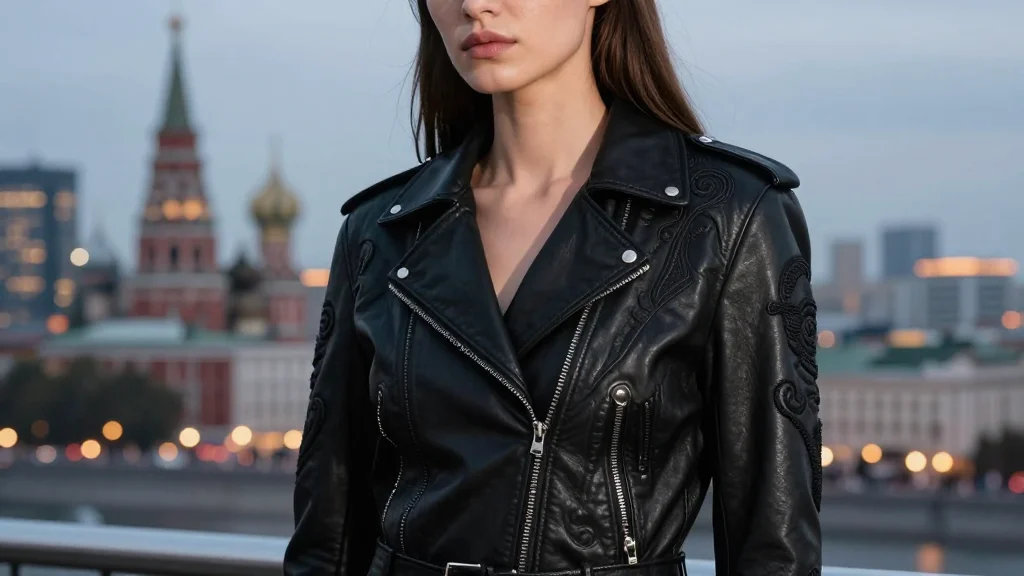
Moscow Fashion Week Draws Global Designers, Showcasing Cultural Fusion on the Russian Runway

Why It Matters
Moscow Fashion Week’s international lineup marks a decisive shift in the Russian fashion industry, positioning the city as a bridge between Asian and European design sensibilities. By attracting brands like Madame & Mister Sibarita and Xuaujin, the event amplifies Russia’s relevance in the global supply chain, potentially unlocking new export opportunities for Russian textile manufacturers and encouraging foreign investment in local production facilities. Moreover, the emphasis on cultural storytelling reflects a wider industry movement toward authenticity, which could reshape consumer expectations and influence how luxury brands craft their narratives worldwide. The event also highlights geopolitical undercurrents: as Western markets grapple with sanctions and supply‑chain disruptions, designers are seeking alternative hubs. Moscow’s willingness to host a diverse set of creators suggests a strategic diversification of fashion capitals, offering a new platform for designers whose access to traditional fashion weeks may be constrained. This could recalibrate the balance of power in the fashion calendar, giving rise to a more multipolar industry landscape.
Key Takeaways
- •Spanish label Madame & Mister Sibarita presented its spring collection *Instinct Naturel*, featuring kimonos, capes and a palette of beige, ivory, olive, amber, coral and turquoise.
- •Chinese brand Xuaujin debuted a collection inspired by the Buyi people, reimagining the qipao with fringes and three‑dimensional appliqué.
- •Istanbul‑based designer Emre Erdemoğlu returned with a leather‑focused line highlighting strong silhouettes, trench coats and hussar‑style jackets.
- •Organizers announced an expanded calendar for October, adding an emerging‑designer segment and B2B forums.
- •The event underscores a trend toward cultural fusion and heritage storytelling in luxury fashion.
Pulse Analysis
Moscow’s aggressive courting of global designers reflects a calculated bid to diversify its fashion ecosystem amid shifting geopolitical realities. Historically, the city’s fashion weeks have been domestically focused, but the 2026 edition demonstrates a pivot toward a more inclusive, cross‑cultural agenda. This mirrors a broader industry pattern where secondary fashion capitals—such as Seoul, Lagos and Dubai—are leveraging unique cultural assets to attract international attention. By showcasing collections that fuse Eastern motifs with Western tailoring, Moscow is not merely importing trends; it is curating a narrative that positions Russia as a conduit for East‑West exchange.
From a market perspective, the infusion of foreign talent can catalyze downstream benefits for Russian manufacturers, who stand to gain from increased orders for high‑quality fabrics, bespoke tailoring and technical finishes. However, the tension between global exposure and local relevance remains delicate. If Russian designers feel sidelined, the city risks creating a two‑tier ecosystem where foreign brands dominate the spotlight while domestic talent struggles for runway time. Sustainable growth will require deliberate mentorship programs, joint‑venture collections and transparent pathways for local creators to access the same platforms.
Looking ahead, Moscow Fashion Week could become a strategic node in the global fashion network, especially if it continues to champion cultural storytelling—a trend that resonates with luxury consumers seeking depth beyond mere aesthetics. The upcoming October edition, with its focus on emerging designers, may serve as a litmus test: success will hinge on the ability to blend international allure with authentic Russian innovation, thereby delivering a truly hybrid fashion capital that can compete with Paris, Milan and New York on its own terms.
Moscow Fashion Week Draws Global Designers, Showcasing Cultural Fusion on the Russian Runway
Comments
Want to join the conversation?
Loading comments...